
# China Auto Industry
Latest news and articles about China Auto Industry
Total: 11 articles found
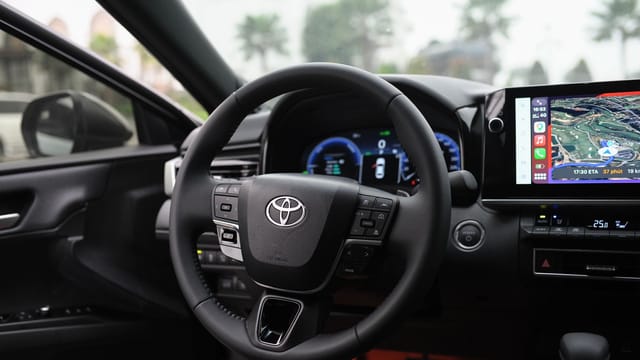
Leapmotor’s Triple-Threat: Democratizing Advanced Assisted Driving in the Sub-20,000 USD Market
Leapmotor has launched its updated C10, C11, and C16 SUV models, introducing high-end 'door-to-door' assisted driving features to the sub-150,000 RMB price segment. This move accelerates the democratization of advanced automotive technology in China's hyper-competitive EV market.

The Great Reshuffle: China’s Traditional Auto Hubs Fight for Survival in the EV Age
As New Energy Vehicles (NEVs) dominate Chinese retail sales, traditional auto-producing provinces like Jilin and Hubei are seeing their production rankings collapse. To avoid industrial obsolescence, these regions are drafting aggressive five-year plans to pivot toward smart technology, supply chain integration, and partnerships with tech giants.

China’s EV Survival Race: Nio’s William Li Warns of a Brutal Industry Contraction
Nio CEO William Li warns that the Chinese auto industry is entering its most brutal phase, with a predicted 15-20% drop in total sales. While the broader market faces contraction and a grueling price war, Nio aims for 40-50% growth through its new mass-market sub-brands.
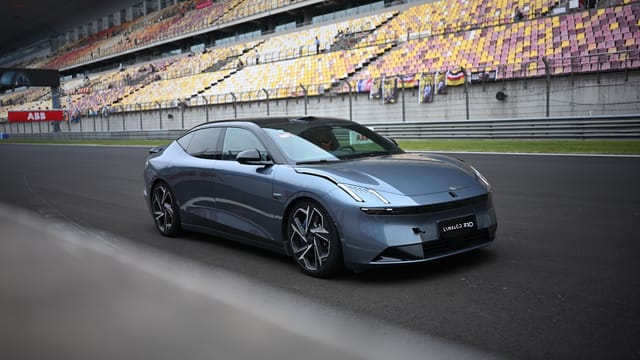
The Silicon Squeeze: Soaring Memory Costs Test China’s EV Dominance
A 180% surge in automotive-grade memory chip prices has forced over ten Chinese NEV makers to raise prices or cut incentives, while the traditional fuel car market continues deep discounting to survive.
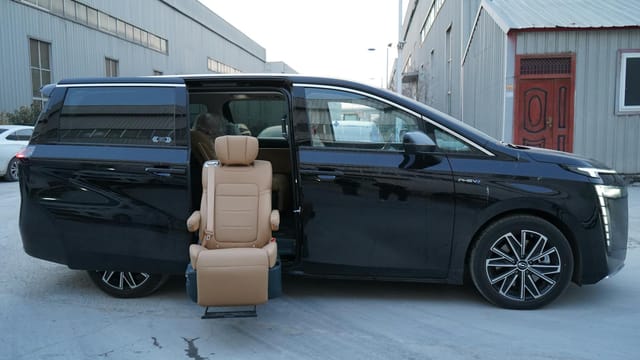
Geely’s Galaxy Gambit: Sub-100,000 RMB AWD Hybrid Signals New Phase in China’s Price War
Geely has launched the Galaxy Starry 7 MAX, a mid-sized PHEV sedan featuring standard all-wheel drive and a starting price under 100,000 RMB. This aggressive pricing and high-performance strategy represent a significant escalation in the competition against legacy automakers and domestic rivals like BYD.
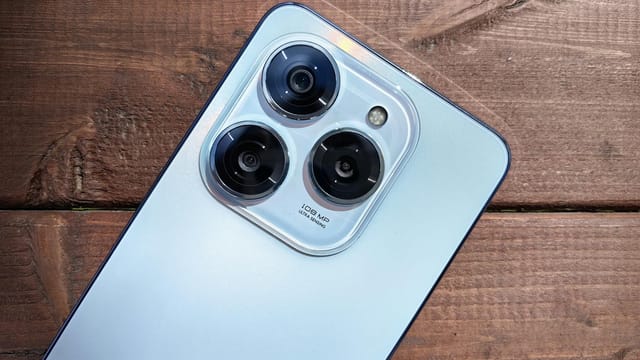
Beyond the Badge: How Huawei and Chery are Redefining Chinese Luxury in the MPV Era
The launch of the Stelato V9 MPV, a joint venture between Huawei and Chery, marks a turning point in China's luxury car market as tech-driven 'experience luxury' replaces traditional brand prestige. With 7,000 orders in two hours, the vehicle utilizes Huawei's full tech stack to challenge foreign dominance in the premium family and business transport segments.
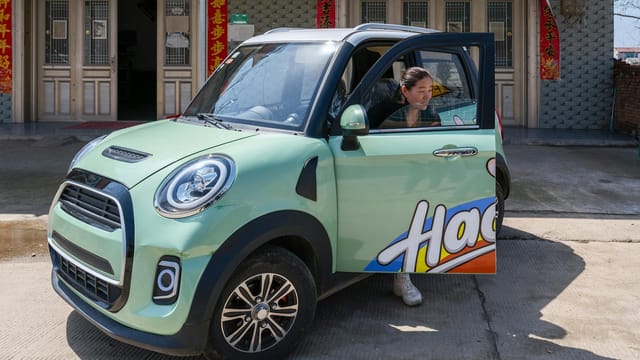
A Legend Recharged: Chery’s QQ3 Revival Finds Instant Traction in China’s Budget EV Market
Chery Automobile successfully launched the new QQ3 pure electric sedan, delivering over 13,600 units in its first month. The vehicle revitalizes a classic brand name to compete in China's highly competitive budget EV segment against rivals like Wuling and BYD.

Foton Motor’s Two-Track Recovery: Export Booms as Green Ambitions Stumble
Foton Motor reported a 7.82% increase in total YTD sales for 2026, reaching 183,500 units. While international exports are booming with a 45% surge, the company faces a significant 10.3% decline in its new-energy vehicle segment, reflecting the complex challenges of electrifying commercial transport.

Xpeng’s Australian Gambit: Reclaiming Control After a High-Stakes Distributor Collapse
Xpeng Motors is overhauling its Australian operations after its local distributor, TrueEV, entered receivership and failed to fulfill hundreds of orders. The Chinese EV maker is moving to a direct-distribution model to stabilize its presence in Australia’s hyper-competitive market while simultaneously pushing for Level 4 autonomous driving technology.

Rebirth of a Legend: Chery Jaguar Land Rover Abandons Fossil Fuels for $4 Billion China EV Pivot
Chery Jaguar Land Rover has officially ceased production of internal combustion engine vehicles in China, transitioning its operations entirely toward New Energy Vehicles. Supported by a 30 billion RMB investment, the joint venture is relaunching the 'Freelander' brand to lead its charge into the electric and hybrid luxury market.

Fueling the Future: How Rising Gas Prices are Accelerating China’s Electric Pivot
Recent surges in global oil prices have heightened the economic divide between traditional car owners and EV users in China, acting as a catalyst for further electric vehicle adoption. This shift is not only transforming domestic consumption patterns but is also enabling Chinese automakers to aggressively challenge Japanese dominance in key international markets like Southeast Asia.