
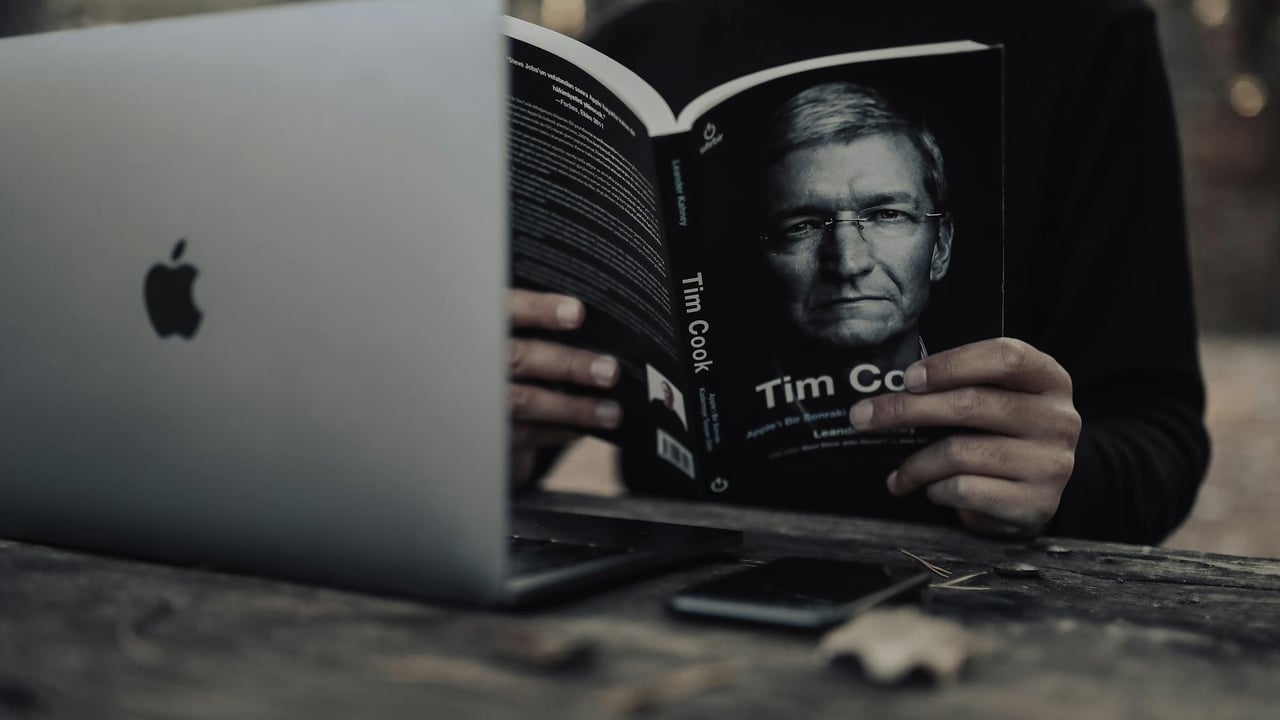

Apple’s pivot toward integrated artificial intelligence is meeting the hard reality of global logistics. CEO Tim Cook recently signaled that the supply-demand imbalance for the Mac lineup is expected to persist for several months. The bottleneck is not a result of traditional component shortages but rather an unprecedented surge in demand for hardware capable of handling localized AI workloads, which has effectively exhausted existing inventories.
This supply strain has already triggered rare price adjustments within the Apple ecosystem. The entry-level Mac Mini has seen a significant $200 price hike, a move analysts interpret as a strategy to manage demand while offsetting the rising costs of the high-performance silicon required for modern AI processing. While Apple's Q2 earnings outperformed expectations—bolstered by a 22% jump in iPhone revenue—the constraints on the Mac division highlight the friction points in the company’s transition to an AI-first hardware strategy.
The supply gap arrives at a delicate moment for the Cupertino giant. While the Mac enjoys a renaissance as a primary tool for developers and AI enthusiasts, other segments of the business are facing headwinds. The Vision Pro, once touted as the next frontier of spatial computing, is increasingly being characterized as a market misfire. This divergence in product performance suggests that consumers are currently prioritizing practical, AI-enhanced productivity over experimental wearable platforms.
As Tim Cook prepares for an eventual leadership transition, with engineering veteran John Ternus increasingly viewed as the heir apparent, the current supply crisis serves as a final test of the Cook era’s logistical mastery. The challenge now is to scale production of M-series chips to meet the 'AI craze' without further alienating the consumer base through price increases or prolonged wait times. For now, Apple remains a victim of its own success, as the world’s appetite for its silicon outpaces its ability to deliver.