
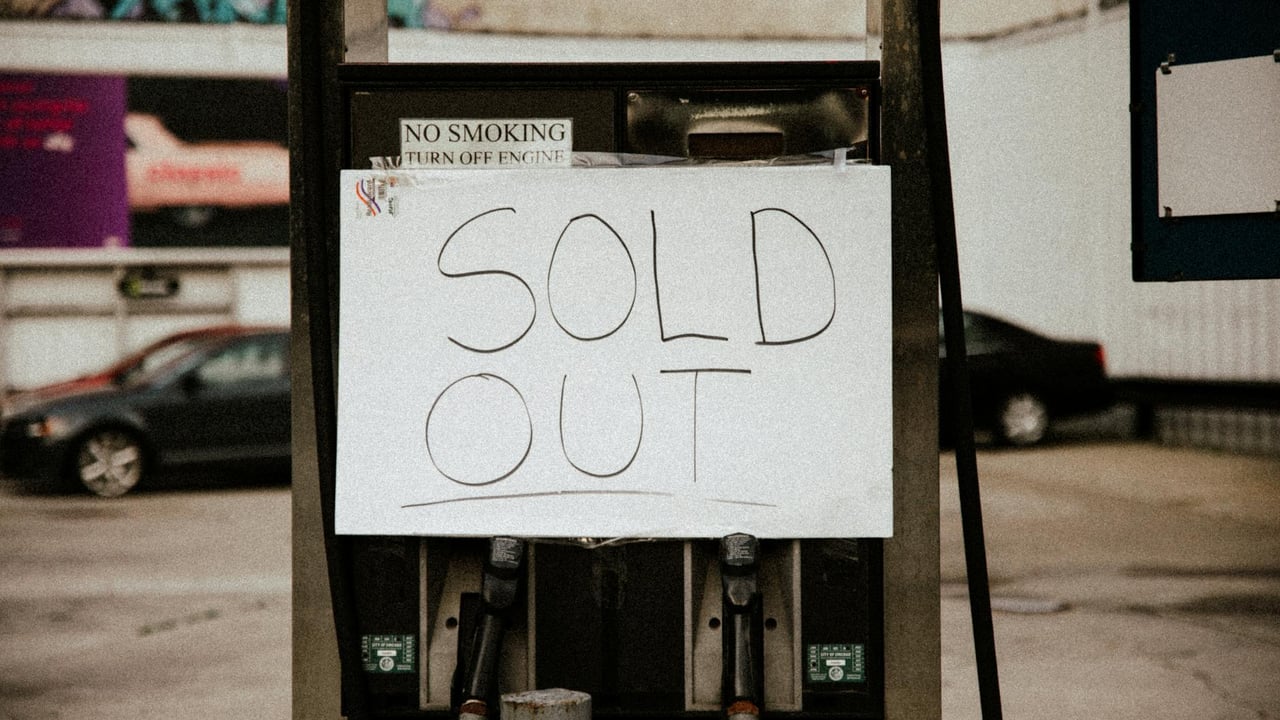

The current state of the global oil market depends entirely on who you ask and which price ticker you watch. While financial markets suggest a cautious optimism, the physical reality on the ground—and in the sea—tells a far more harrowing story of structural collapse. For the first time in decades, the gap between crude futures and physical spot prices has widened to a staggering $20 per barrel, signaling a profound disconnect between speculative hope and actual supply.
Evidence suggests we are currently navigating the most severe oil crisis in modern history. The disruption in the Strait of Hormuz has resulted in a supply loss equivalent to 15% of global demand, eclipsing the 7% shock of the 1973 Arab oil embargo. This physical scarcity is reflected in OECD inventories, which saw their sharpest two-month decline since 1988, yet financial traders appear to be pricing in a swift diplomatic resolution that reality has yet to support.
In Beijing, the crisis is viewed through a lens of defensive resilience and industrial vulnerability. While China’s rapid electrification and investment in renewables have buffered the energy sector, its status as the world’s factory makes it uniquely exposed. Oil in China is less a fuel for passenger cars and more a critical feedstock for the massive petrochemical industry, meaning the current price spike is being felt not just at the pump, but in the overhead costs of every manufacturing plant in the country.
Perhaps the most lasting scar of this crisis will be the erosion of the 'Impossible Trinity' of energy: the balance between security, economy, and cleanliness. For years, the global system prioritized economic efficiency and green transitions, but the pendulum has now swung violently toward security. Governments are realizing that localizing energy production through wind and solar is no longer just an environmental goal; it is a national defense imperative to bypass fragile maritime chokepoints.
This fragility is currently being tested by a breakdown in international maritime norms. With Iran suggesting that the Strait of Hormuz will not return to its pre-war status, a dangerous precedent is being set. Already, echoes of this protectionism are surfacing in Southeast Asia, where murmurs regarding transit fees for the Strait of Malacca have prompted a diplomatic counter-offensive from Singapore to uphold the United Nations Convention on the Law of the Sea.
Ultimately, the world is struggling to learn the most difficult lesson of 2026: the international trade system is a delicate construct of trust, not a law of nature. Fear has become a more potent market force than supply or demand, and it can be manufactured with a single inflammatory statement. As commodities like chips and oil become inseparable from national security, the globalized era of 'efficiency first' is being replaced by a fragmented, costly, and defensive new world order.