
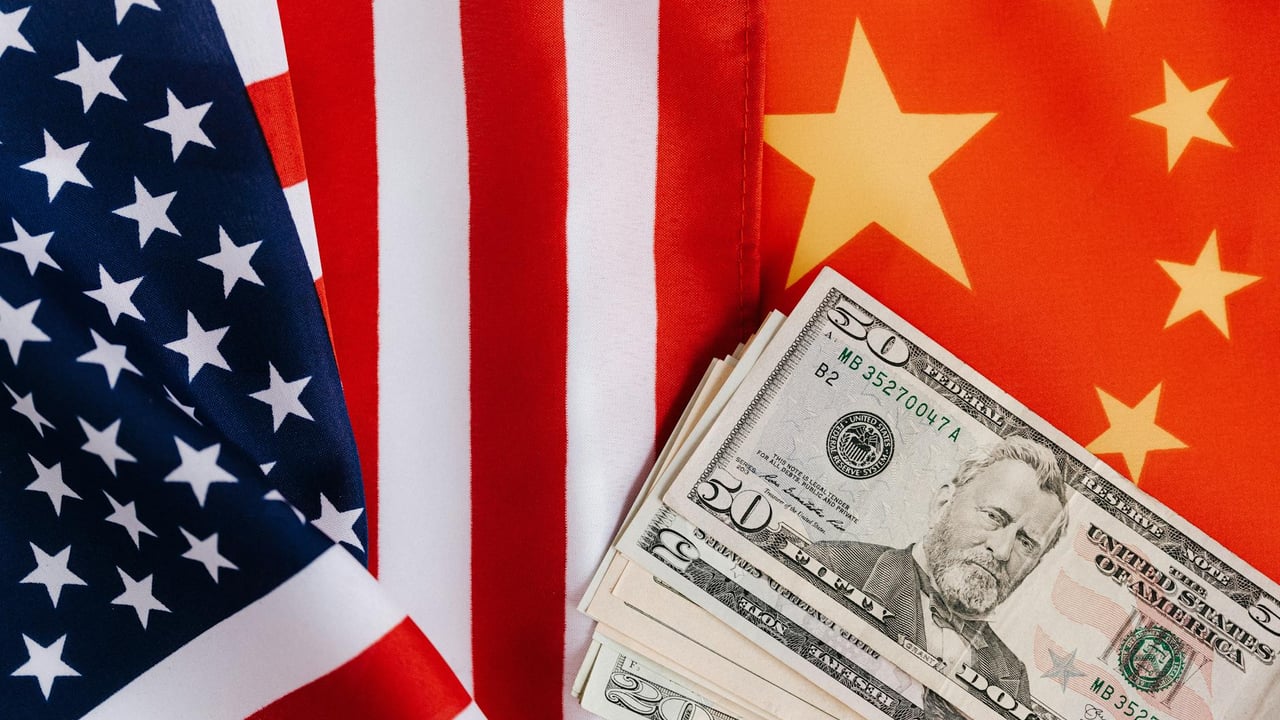

In a significant escalation of the legal and economic tug-of-war between the world’s two largest economies, China’s Ministry of Commerce (MOFCOM) has issued a rare blocking order to nullify the impact of US sanctions on five domestic petrochemical companies. The move, announced on May 2, 2026, marks a decisive application of Beijing’s 'blocking statute' designed to shield its entities from the extraterritorial reach of American law. The order specifically targets US restrictions imposed on firms allegedly involved in the trade of Iranian oil.
The five companies—Hengli Petrochemical (Dalian) Refinery, Shandong Shouguang Luqing Petrochemical, Shandong Jincheng Petrochemical Group, Hebei Xinhai Chemical Group, and Shandong Shengxing Chemical—had been placed on the US Treasury Department’s Specially Designated Nationals (SDN) list. Under US Executive Orders 13902 and 13846, these designations effectively freeze their assets and prohibit US persons or entities from transacting with them. By issuing this counter-order, Beijing is legally commanding its citizens and corporations to ignore these American mandates.
Beijing’s legal justification rests on a suite of domestic legislation, including the National Security Law and the 2021 Rules on Counteracting Unjustified Extra-territorial Application of Foreign Legislation. The Ministry of Commerce asserted that the US sanctions violate international law and the basic norms of international relations by restricting 'normal economic and trade activities' with third countries. This formal 'Blocking Order No. 21' stipulates that no person or organization in China may recognize, execute, or comply with the US sanctions against these specific refiners.
This development places international financial institutions and multinational corporations in an increasingly impossible position. Global banks operating in China now face a 'compliance trap': they must choose between adhering to US sanctions to avoid being cut off from the dollar clearing system, or complying with Chinese law to avoid domestic penalties and civil litigation. By activating these blocking measures, China is signaling that it will no longer allow the US financial system to dictate the terms of Chinese energy security and sovereign trade.