From Tehran to Havana: Trump’s Revived Gunboat Diplomacy Targets Cuba

President Trump has increased sanctions on Cuba and threatened a military intervention involving the USS Abraham Lincoln carrier strike group. This pivot suggests a new phase of aggressive 'maximum pressure' in the Caribbean following the end of operations in Iran.

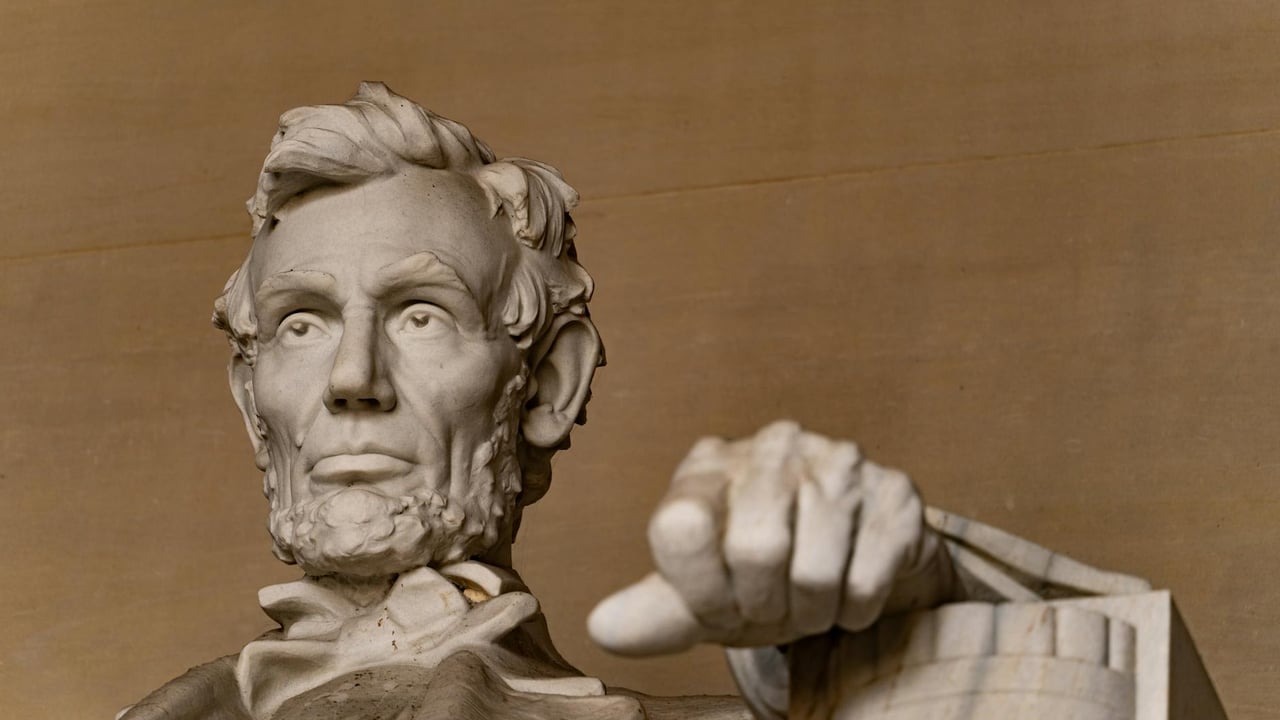
Detailed view of the Lincoln Memorial in Washington D.C., capturing the iconic statue's expression and posture.

Key Takeaways

  • 1President Trump signed an executive order intensifying economic sanctions on Cuba.
  • 2The administration has threatened to 'take over' the island using returning Middle Eastern forces.
  • 3The USS Abraham Lincoln carrier strike group is the primary asset named for this potential deployment.
  • 4The move signals a strategic shift in U.S. focus from the Middle East back to the Monroe Doctrine in the Americas.

Editor's
Desk

Strategic Analysis

The threat to redirect a carrier strike group from Iran to Cuba represents a calculated use of 'gunboat diplomacy' intended to demonstrate uninhibited American reach. By framing the transition as a 'takeover,' the administration is likely testing the waters for a policy of regime change, or at the very least, attempting to provoke a crisis that would justify further intervention. This development indicates that the conclusion of one conflict is being used as a logistical and political springboard for another, suggesting that the era of U.S. military restraint in the Western Hemisphere has effectively ended. The geopolitical ramifications will be felt deeply across Latin America, where such rhetoric historically triggers significant anti-American sentiment and reshapes regional alliances.

China Daily Brief Editorial
Strategic Insight
China Daily Brief

Following the apparent conclusion of military operations in Iran, the White House has signaled a sharp and aggressive pivot toward the Caribbean. President Trump has signed a new executive order significantly tightening sanctions on Cuba, citing a persistent threat to American national security and regional foreign policy interests.

The rhetoric coming out of Washington suggests that economic pressure is only the first phase of a broader confrontation. In a recent statement, the President indicated that the United States military would move to 'take over' Cuba as forces return from the Middle Eastern theater. This marks a dramatic departure from the diplomatic freezing seen in previous years, moving toward overt military posturing.

Central to this threat is the potential deployment of the USS Abraham Lincoln, a massive aircraft carrier currently engaged in the Persian Gulf region. The administration has hinted that the carrier strike group will be redirected to Cuban waters rather than returning directly to a domestic port. Such a move would represent the most significant display of American naval power near Cuban shores in several decades.

This escalation arrives at a time when the administration is seeking to consolidate its influence across the Western Hemisphere. By linking the conclusion of the Iran conflict with a new mission in Cuba, the White House is signaling a policy of continuous mobilization. Observers suggest this strategy aims to leverage military momentum to force long-standing political changes on the island nation.

Share Article

Related Articles

📰
No related articles found