Escalation in the Strait: U.S. Naval Forces Sink Iranian Vessels in High-Stakes Maritime Clearing Operation

U.S. Central Command has confirmed the sinking of six Iranian vessels and the interception of missiles during a new operation to clear the Strait of Hormuz. This escalation follows a presidential directive to guide stranded commercial ships through the waterway amid a highly effective maritime blockade of Iran.

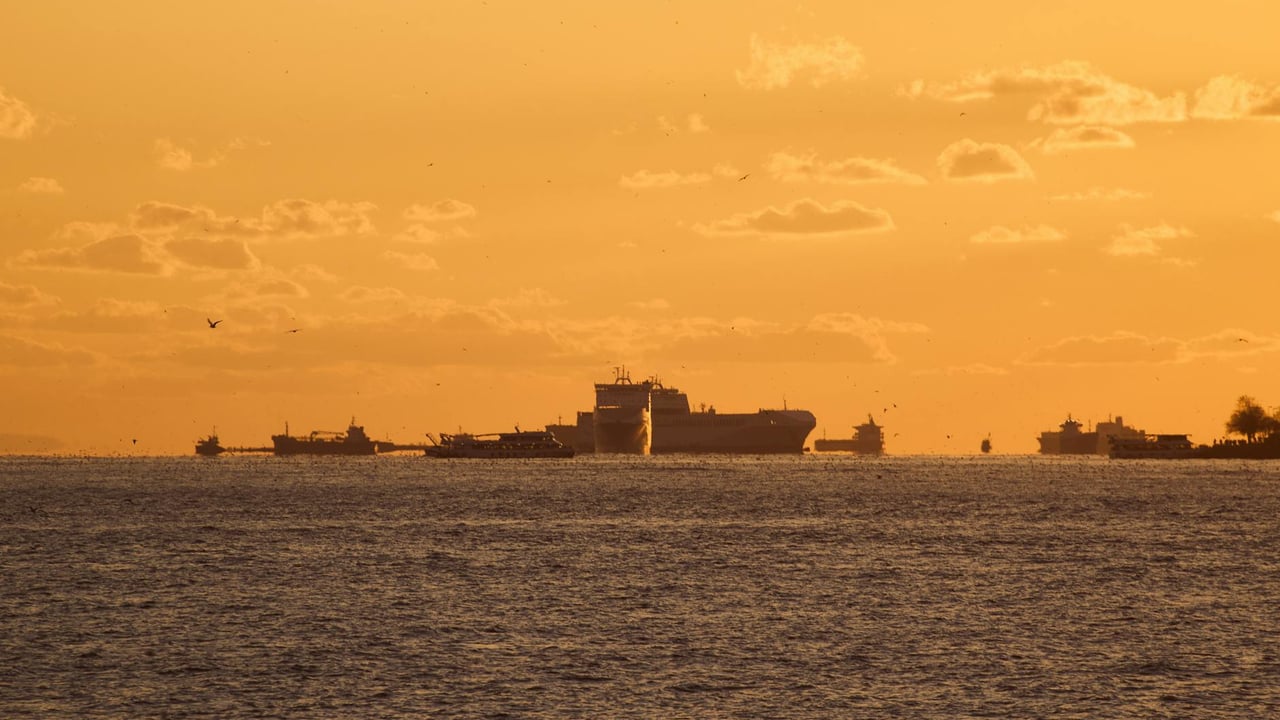
Ships silhouetted against the golden hues of sunset on the Bosphorus Strait.

Key Takeaways

  • 1U.S. forces destroyed six Iranian small boats and neutralized incoming cruise missiles and drones in the Strait of Hormuz.
  • 2A formal U.S. 'clearing operation' has begun to assist commercial vessels trapped by regional tensions.
  • 3President Trump signaled the start of the mission on social media, emphasizing the need to restore maritime traffic.
  • 4U.S. Central Command reports that the ongoing blockade against Iranian ports is exceeding performance expectations.
  • 5Military commanders have issued a stern warning for Iranian forces to keep their distance from U.S. naval assets.

Editor's
Desk

Strategic Analysis

The shift from surveillance to active engagement suggests a strategic pivot in U.S. maritime policy toward Iran. By characterizing the destruction of Iranian vessels as part of a 'clearing operation,' the U.S. is framing its kinetic actions as a necessary restoration of global trade norms rather than an act of war. However, the mention of intercepted cruise missiles indicates that Iran is escalating its technical response, moving beyond simple harassment to high-end asymmetric threats. The success of the blockade, as claimed by Admiral Cooper, further tightens the noose on Tehran, likely forcing the Iranian leadership into a 'use it or lose it' dilemma regarding their naval capabilities in the Persian Gulf.

China Daily Brief Editorial
Strategic Insight
China Daily Brief

The Strait of Hormuz, a critical artery for the global energy trade, has become the theater for a significant military confrontation. Vice Admiral Cooper, commander of U.S. Central Command, confirmed that American forces have sunk six Iranian small boats and intercepted a sophisticated barrage of cruise missiles and drones. These kinetic engagements mark a sharp intensification of U.S. efforts to break what officials describe as an Iranian effort to paralyze international shipping.

This flare-up coincides with a newly launched U.S. operation designed to 'guide' commercial vessels through the volatile waterway. Following a directive from President Trump, the mission seeks to evacuate ships that have been stranded by the ongoing naval friction. The administration’s posture has shifted from passive deterrence to an active clearing operation, signaling a lower threshold for responding to Iranian maritime provocations.

Beyond the immediate tactical successes, Washington is doubling down on its economic and physical containment of Tehran. Admiral Cooper noted that the current maritime blockade, which prevents movement to and from Iranian territory, is performing with an efficacy that exceeds initial Pentagon expectations. This strategy aims to starve the Iranian economy while simultaneously stripping its naval forces of the ability to project power beyond their immediate coastline.

The broader implications for international energy security are stark. While the U.S. claims to be restoring the flow of commerce, the use of cruise missiles and swarming drone tactics by Iran suggests a high risk of miscalculation. As the U.S. military 'strongly advises' Iranian forces to maintain a wide berth, the world remains on edge, watching whether this clearing operation will stabilize the channel or ignite a wider regional conflict.

Share Article

Related Articles

📰
No related articles found