

For over a decade, the relationship between Apple and Taiwan Semiconductor Manufacturing Company (TSMC) has been the bedrock of the consumer electronics industry. By pairing Apple’s world-class chip design with TSMC’s peerless fabrication precision, the duo successfully relegated competitors to the sidelines. However, recent reports suggest this exclusive marriage is under strain as Apple explores diversifying its supply chain by opening talks with Intel and Samsung Electronics.
The impetus for this potential shift is a growing sense of vulnerability within Apple’s Cupertino headquarters. Despite its status as TSMC’s most pampered client, Apple has not been immune to the global 'chip famine' exacerbated by the explosive growth of artificial intelligence. Tim Cook recently admitted that supply constraints for advanced processors have throttled iPhone sales, noting that the company’s supply chain flexibility is no longer what it once was.
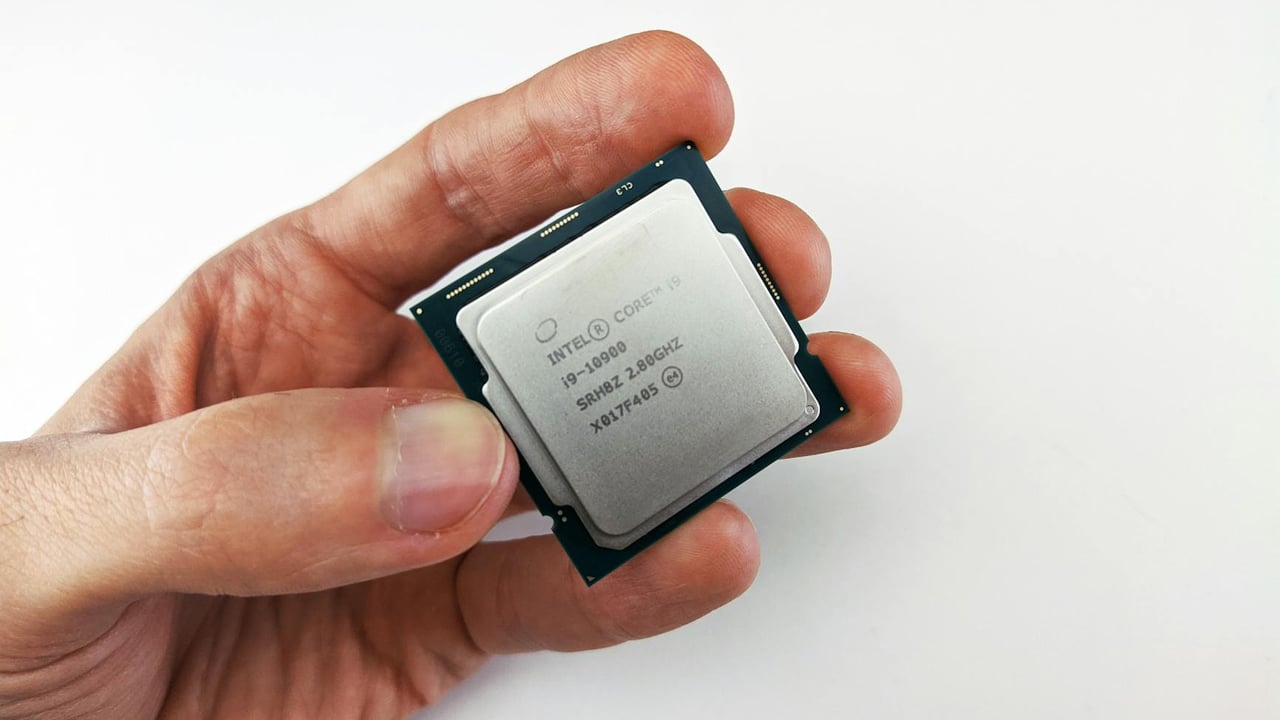
Intel, under its ambitious foundry turnaround strategy, is a primary candidate for Apple’s business. Securing Apple as a customer would be a transformative victory for the American firm, validating its efforts to compete in the high-end contract manufacturing space. Meanwhile, Apple executives have reportedly visited Samsung’s advanced chip facility in Texas, signaling a willingness to overlook their long-standing rivalry in the smartphone market in favor of manufacturing stability.
Despite these exploratory talks, the hurdle for any transition remains immense. Neither Intel nor Samsung has yet matched TSMC’s ability to deliver the yields and scale required for the millions of A-series and M-series chips Apple consumes annually. Apple’s internal teams remain cautious, harboring significant concerns regarding the reliability of alternative manufacturing processes compared to the proven 3-nanometer standards set by their Taiwanese partner.
Ultimately, Apple’s flirtation with other foundries may be as much about leverage as it is about logistics. By signaling that TSMC is no longer the only game in town, Apple gains a stronger hand in price negotiations and priority scheduling. Whether a deal is struck or not, the message is clear: in an era of geopolitical uncertainty and AI-driven demand, being tied to a single supplier—no matter how elite—is becoming an unacceptable risk.