

For over a decade, Apple’s dominance in the premium hardware market has been underpinned by a near-exclusive reliance on Taiwan Semiconductor Manufacturing Company (TSMC). However, new reports suggest this monogamous relationship may be nearing its end as Cupertino enters preliminary discussions with Intel and Samsung Electronics. While no formal orders have been placed, the talks signal a seismic shift in Apple’s supply chain strategy, driven by an urgent need for manufacturing redundancy.
The impetus for this diversification is twofold: a spike in demand for AI-driven data center infrastructure and a resurgence in the Mac computer segment. These pressures have created a bottleneck at TSMC’s most advanced nodes, leaving Apple vulnerable to supply shortages. By engaging Intel’s Foundry Services and Samsung’s advanced manufacturing arms, Apple is effectively seeking a safety valve to ensure its next generation of silicon remains on schedule.
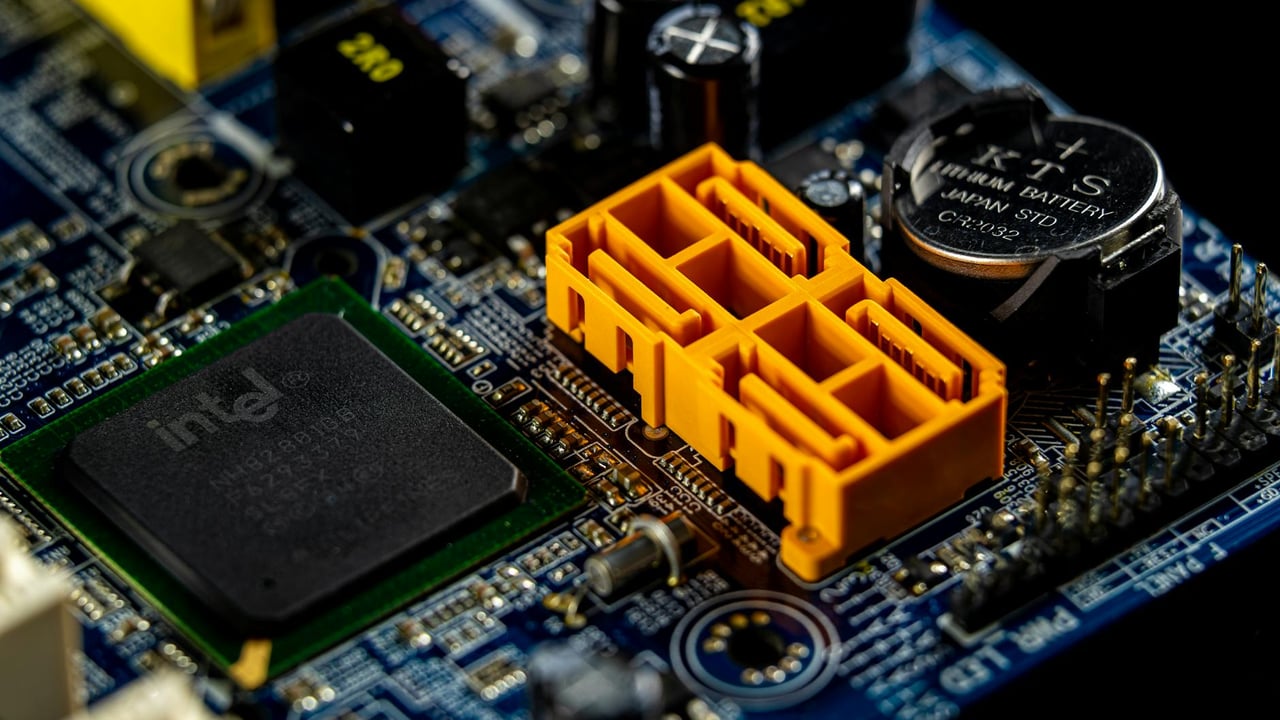
Intel’s inclusion in these talks is particularly noteworthy given the historical transition of the Mac away from Intel processors to Apple Silicon. For Intel, securing Apple as a foundry customer would be a massive validation of its 'IDM 2.0' strategy, which aims to compete directly with Asian fabs. For Apple, utilizing Intel’s domestic U.S. facilities would provide a significant hedge against the geopolitical risks associated with the Taiwan Strait.
Samsung, meanwhile, remains the only other player capable of matching the gate-all-around (GAA) transistor architecture required for high-performance chips. While Apple and Samsung are bitter rivals in the smartphone handset market, their history as components partners is deep. Re-establishing this link would grant Apple the scale necessary to power the massive neural engines required for its 'Apple Intelligence' ecosystem, which is expected to consume vast amounts of processing power in the coming years.