

In the heart of Tokyo’s Ikebukuro district, the towering Sunshine City complex stands as a neon-lit testament to Japan’s post-war economic miracle. Thousands of shoppers and tourists pass through its halls daily, largely unaware that they are walking on the grounds where Japan’s wartime leadership met their end. This physical transformation from a site of execution to a hub of consumption serves as a powerful metaphor for the nation's selective historical memory.
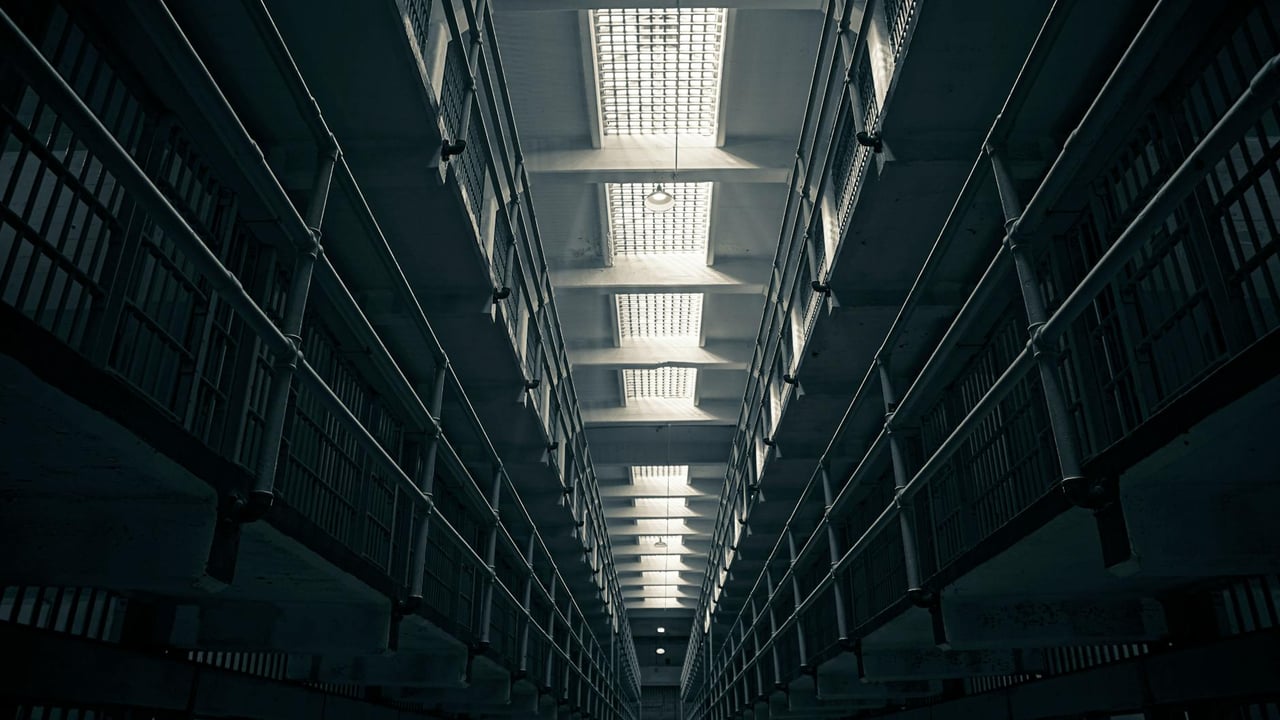
Built originally in 1895 as a facility for political dissidents, Sugamo Prison gained international notoriety following Japan's defeat in 1945. Under the administration of the Allied Occupation, it became the primary detention center for suspected war criminals. In 1948, seven Class-A war criminals, including former Prime Minister Hideki Tojo, were hanged within its walls after the Tokyo Trials.
By 1958, the last of the war criminals were released, and the prison was eventually shuttered. The 1970s brought a wave of urban renewal that prioritized progress over preservation, leading to the prison's demolition in 1971. In its place rose Sunshine 60, then the tallest building in Asia, effectively burying the grim relics of the imperial past under layers of steel and glass.
Today, the only vestige of this history is tucked away in the corner of the adjacent East Ikebukuro Central Park. A modest stone monument, inscribed with a vague plea for 'permanent peace,' offers little context regarding the site's significance. The blurry inscriptions on its reverse side are the only remaining clues to the profound legal and moral reckoning that occurred on this very soil.
This absence of commemorative infrastructure reflects a broader trend in Japanese society to simplify wartime responsibility into a generalized desire for peace. While neighboring nations demand deep reflection on the past, Japan’s urban landscape often chooses to pave over it. Eighty years after the war, the 'ghosts' of Sugamo have been successfully sanitized, leaving behind a void where a national conversation on accountability should be.