
# historical memory
Latest news and articles about historical memory
Total: 8 articles found
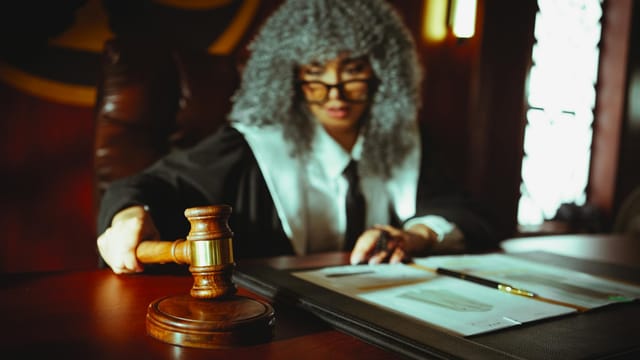
The Quiet Kingmaker: Dong Biwu’s Life as the CCP’s Loyal ‘Bit-Player’ and Builder of China’s Legal Order
Dong Biwu, a founding Communist who preferred to call himself a minor player, was a pivotal stabilizer and institution-builder in the CCP’s rise. His work in united-front politics, clandestine operations, and especially post-1949 legal construction makes him a resonant figure for the party’s modern narratives about governance and legality.

Munich Youth Library Adds Chinese Children’s Book on Nanjing Massacre as Part of Cultural Memory Exchange
Munich’s International Youth Library has added Paper Doll, a Chinese children's book about the Nanjing Massacre, to its collection after a reading event co-hosted with China’s consulate. The move underscores cross‑border cultural exchange on wartime memory and reflects Germany’s longstanding emphasis on using education to confront atrocity and promote peace.
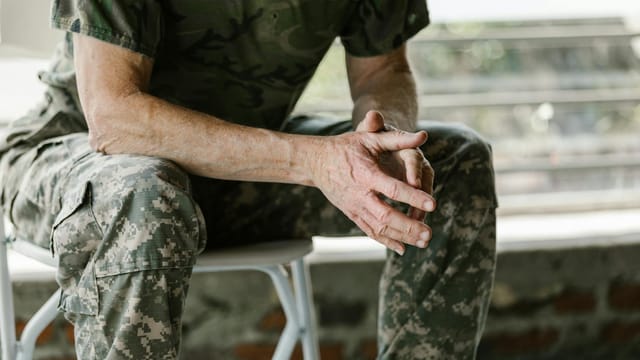
A Promise Across a Century: How a 99‑Year‑Old Veteran and a Tibetan Garrison Keep China’s Military Memory Alive
A 99‑year‑old veteran of a PLA company founded in 1927 used a recent video link with young soldiers stationed in Tibet to pledge a reunion in 2027, when he, the company and the PLA will all mark centenaries. The episode illustrates how China uses personal veteran narratives and unit histories to bind generations, bolster morale and frame the military’s role ahead of major national commemorations.
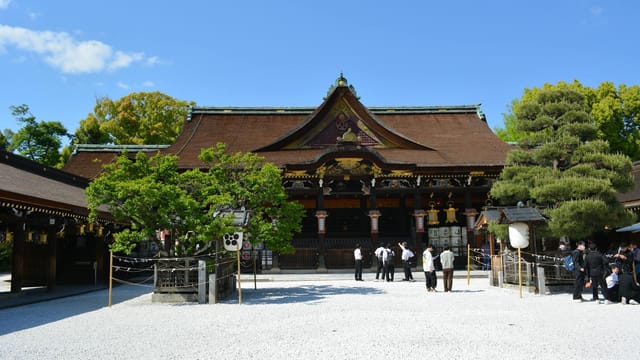
Japan’s Leader Seeks a “Suitable Environment” for Yasukuni Visits — and Regional Trust Is the Casualty
Japanese prime minister Sanae Takaichi said she is trying to create a “suitable environment” for visiting Yasukuni Shrine and expects neighbouring countries to understand. The statement signals an effort to normalize a contentious nationalist symbol that enshrines Class-A war criminals and is likely to aggravate tensions with China and South Korea while complicating regional cooperation.
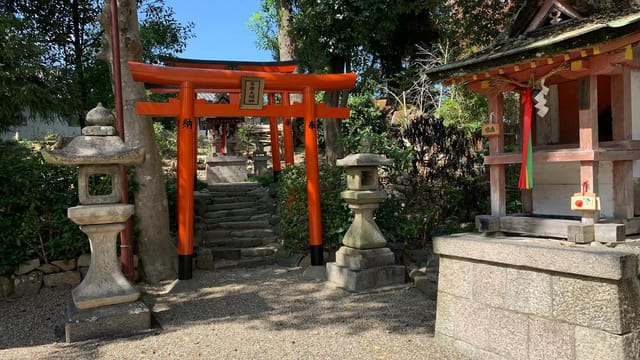
Beijing Rebukes Tokyo as Japanese Leader Signals Push to Normalize Yasukuni Visits
China’s foreign ministry condemned Japanese Prime Minister Sanae Takaichi after she said she was working to create conditions for visits to the Yasukuni Shrine, calling such moves a relapse into militarism on the 80th anniversary of the Tokyo Trials. Beijing framed the issue as central to Japan’s moral responsibility and regional trust, warning that denial of wartime crimes risks repeating them.
Trump Hails 19th‑Century Win Over Mexico as “Legendary”, Prompting Outrage and Diplomatic Friction
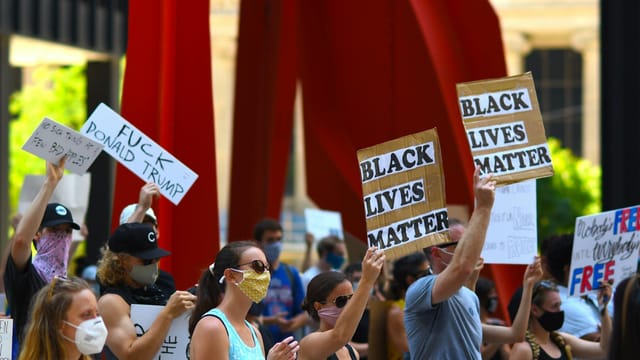
President Trump’s White House statement calling the U.S. victory in the 19th‑century Mexican‑American War a "legendary" triumph provoked anger in Mexico and revived painful historical memories. Mexican leaders and analysts described the rhetoric as insulting and potentially threatening, complicating cooperation on migration, security and trade even if immediate policy shifts are unlikely.
“Human Face, Beast Heart”: South Korea’s President Denounces Far‑Right Mockery of Comfort‑Women Statue
President Lee Jae‑myung condemned a far‑right group for allegedly insulting comfort‑women victims and attempting to remove a memorial, calling their behaviour “human face, beast heart.” The group is under police investigation for an unauthorised rally and insulting banners, raising questions about the limits of free speech, social cohesion, and the politics of historical memory in South Korea.

The Last Witnesses: Philippine ‘Grandmothers’ and the Unfinished Demand for Japan’s Apology
Survivors of Japan’s wartime system of sexual slavery in the Philippines — known locally as “grandmothers” — are dwindling, yet their demand for a formal apology and compensation persists. Activists warn that unresolved accountability, historical revisionism and geopolitical pragmatism risk allowing the memory of these crimes to be erased for younger generations.