

For over forty-eight hours, the Frederick Douglass Memorial Bridge in Washington, D.C., has served as a dramatic stage for the growing domestic opposition to American military engagement in the Middle East. Guido Reichstadter, a protester who scaled the 51-meter-high structure on May 1, remains perched atop the bridge, drawing a crowd of supporters below. His actions are a direct response to a burgeoning conflict with Iran, a military campaign that critics argue has transitioned from strategic necessity to humanitarian catastrophe.
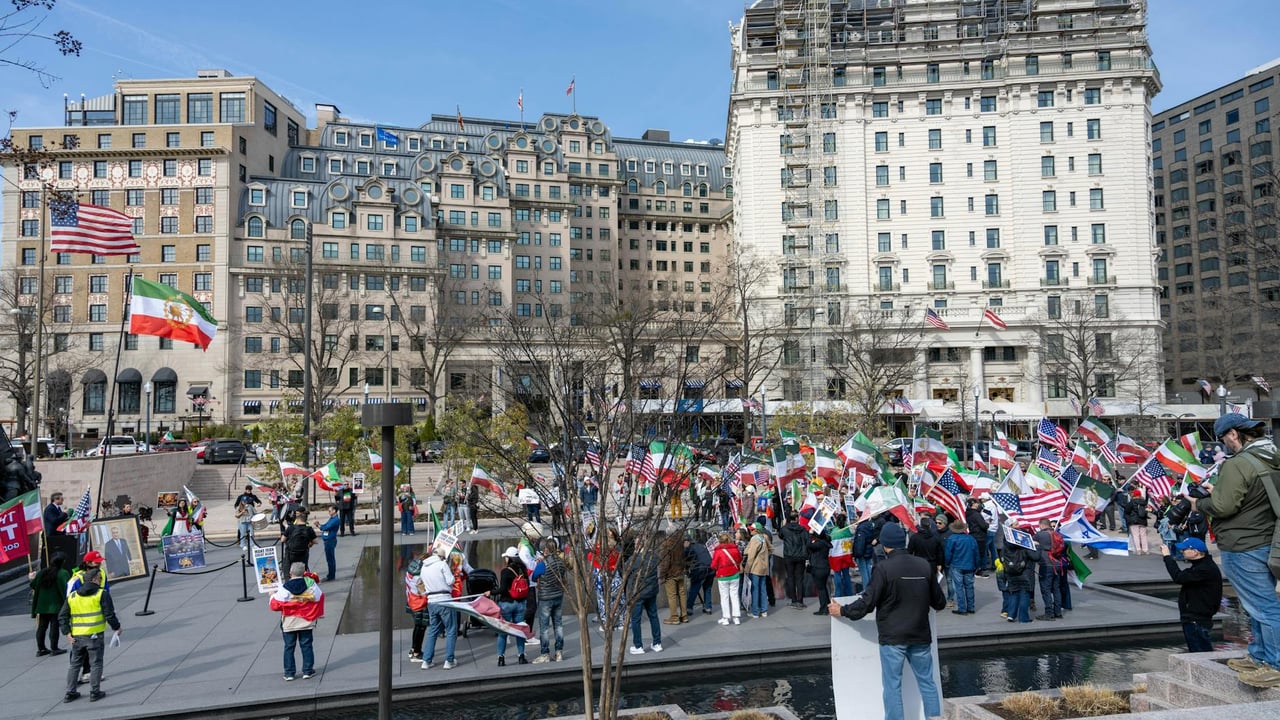
From his vantage point overlooking the Anacostia River, Reichstadter has articulated a narrative of moral refusal, citing reports of heavy civilian casualties in Iran as the catalyst for his dissent. His rhetoric reflects a significant segment of the American electorate that feels alienated from the current administration’s foreign policy. This sentiment is amplified by the presence of anti-war activists on the ground, who are increasingly vocal about the use of taxpayer funds to finance what they deem an illegal and unnecessary escalation of hostilities.
The unrest in Washington is being mirrored across the Atlantic, where thousands have taken to the streets of Tel Aviv to challenge their own government’s reliance on military force. These demonstrators represent a cross-section of Israeli society, including parents of soldiers who are questioning the strategic logic of a seemingly perpetual state of war. The convergence of these protests suggests a shared regional and international anxiety regarding the destabilizing effects of high-intensity conflict on both civilian life and global security.
As the standoff on the bridge continues, it highlights the narrowing path for diplomatic resolution in a region increasingly defined by 'brute force' solutions. The persistence of the Washington protest, coupled with the systemic critiques coming out of Israel, indicates that the political cost of the current military strategy is rising. For leaders in both capitals, the challenge is no longer just managing the tactical realities on the battlefield, but addressing a crisis of legitimacy among their own constituents.