Apple's Walled Garden Cracks: iOS 27 to Introduce Choice in AI Models

Apple plans to allow users to select third-party AI models as their primary digital assistants starting with iOS 27. This shift signals a move toward platform neutrality and reflects a strategic response to global regulatory pressures and the need for localized AI solutions.

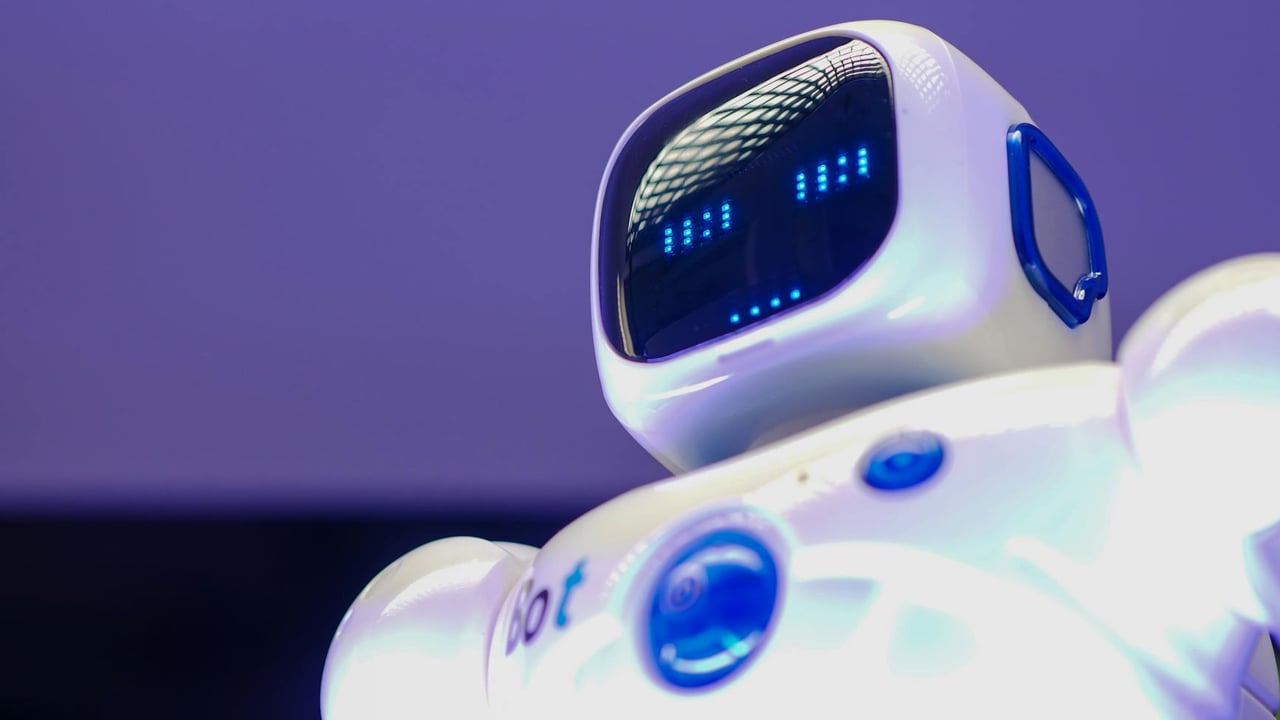
A modern humanoid robot with digital face and luminescent screen, symbolizing innovation in technology.

Key Takeaways

  • 1iOS 27 will introduce a flexible framework allowing users to toggle between different AI models.
  • 2The move marks a historic shift away from Apple's strictly controlled ecosystem toward a more open platform.
  • 3Regulatory compliance, particularly with the EU's Digital Markets Act and Chinese AI laws, likely drove this decision.
  • 4Apple seeks to maintain hardware dominance by ensuring the best available AI technology is accessible on the iPhone.

Editor's
Desk

Strategic Analysis

Apple is performing a delicate balancing act between maintaining its premium ecosystem and yielding to the 'platform neutrality' demanded by modern antitrust regulators. By transforming Siri or its successor into a shell that can host various 'brains,' Apple effectively commoditizes the AI model layer while retaining control over the high-margin hardware and the core operating system. This is particularly vital in the Chinese market, where Western AI models are often restricted; a model-agnostic iOS allows Apple to survive in China by simply 'plugging in' a government-approved local LLM while offering ChatGPT or Gemini elsewhere. Long-term, this could turn the iPhone into the ultimate AI 'aggregator,' where the value lies not in the model itself, but in the seamless integration and privacy-first delivery of those models to the user.

China Daily Brief Editorial
Strategic Insight
China Daily Brief

Apple is set to redefine the user experience within its ecosystem by allowing iPhone users to choose between competing artificial intelligence models. This shift, reportedly slated for the release of iOS 27, represents a fundamental departure from the company's traditional 'walled garden' philosophy. By offering a modular approach to AI, Apple aims to provide a more flexible and personalized software environment that can adapt to the rapid advancements in large language models.

This strategic move appears to be a response to both shifting consumer expectations and increasing regulatory scrutiny worldwide. As AI assistants become the primary interface for mobile computing, the demand for best-in-class performance—regardless of the provider—has grown. By opening the door to rivals, Apple positions itself as a neutral hardware platform capable of hosting the world's most sophisticated digital brains, ensuring its devices remain indispensable in an AI-centric era.

The implications for global markets, particularly China, are significant. Given the strict regulatory landscape for AI in the region, a flexible model-selection system allows Apple to integrate localized solutions from Chinese tech giants without compromising its global software architecture. This pragmatism ensures that iPhone users in different jurisdictions can access AI services that are both high-performing and legally compliant with local standards.

Furthermore, this transition signals Apple's recognition that the AI race is not a winner-take-all scenario for developers. By facilitating a 'marketplace of models,' Apple can leverage the innovation of partners like OpenAI, Google, or domestic Chinese firms while continuing to refine its own on-device processing capabilities. This hybrid strategy maintains the brand's focus on privacy and security while acknowledging the immense scale of the broader AI industry.

Share Article

Related Articles

📰
No related articles found