

For decades, China was synonymous with the physical labor that powered the world’s consumer markets. Today, that narrative is being rewritten as the country shifts from being the world’s factory to its primary supplier of automated solutions. In the first quarter of this year, China’s robot exports reached a staggering 11.32 billion RMB, with products reaching 148 countries and regions worldwide. This surge signals a profound transformation in China’s export portfolio, moving away from low-end manufacturing toward sophisticated, autonomous technology.
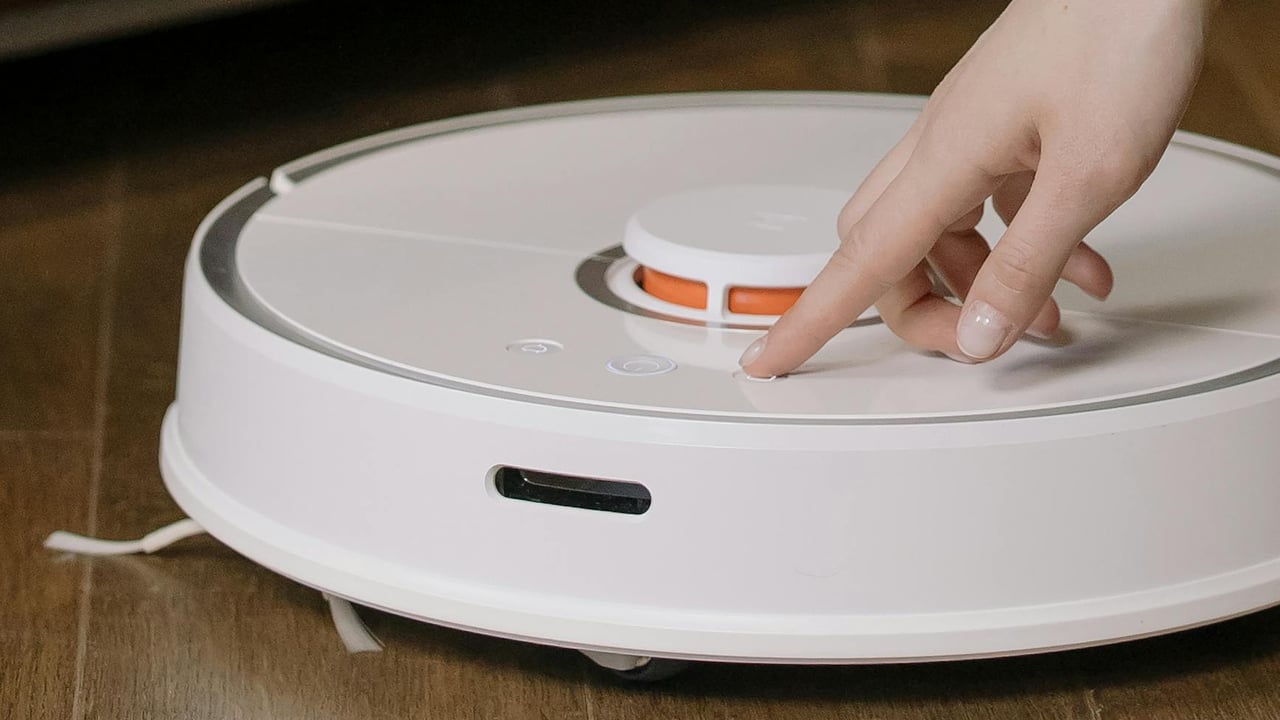
While industrial automation remains a cornerstone of this sector, it is the domestic service robot—specifically the cleaning robot—that has emerged as the unexpected champion of Chinese trade. Accounting for nearly 69% of the total export value at 7.75 billion RMB, these autonomous cleaners have become the leading edge of China's high-tech push. The success of these devices highlights China's ability to commercialize complex AI and sensor technology at a scale that remains unmatched by international competitors.
Simultaneously, the traditional industrial robot sector is witnessing its own renaissance. Exports in this category reached 3.16 billion RMB in the first quarter, representing a 42% year-on-year increase. This growth reflects a global appetite for the precision and efficiency of Chinese-made industrial hardware, as emerging markets and established economies alike look to automate their production lines. China is no longer just selling machines; it is increasingly exporting the fundamental infrastructure of the modern digital economy.
Perhaps the most significant trend is the shift in business models from simple hardware delivery to a comprehensive "technology plus services" approach. Chinese robotics firms are increasingly providing integrated solutions that include ongoing software support and maintenance services. By embedding themselves into the operational fabric of international clients, these companies are building long-term strategic dependencies and establishing the "Made in China" brand as a mark of technological sophistication rather than just cost-efficiency.