
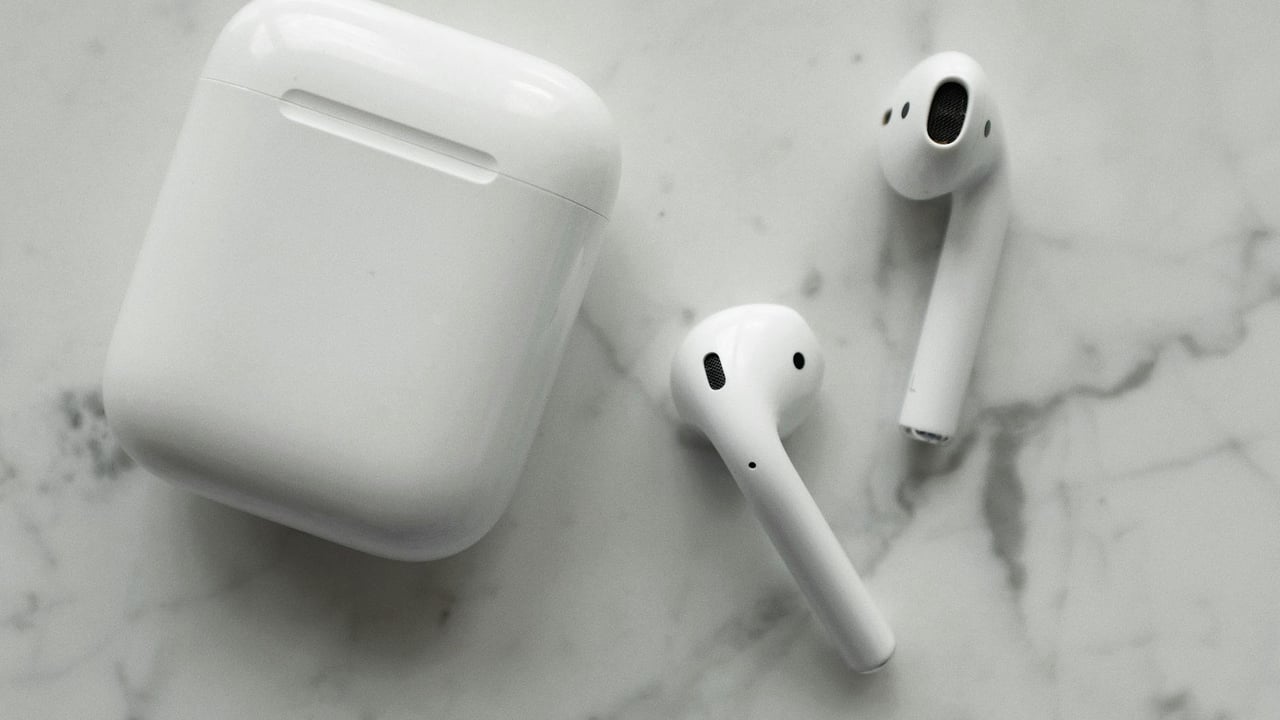

Apple is signaling a transformative shift in the wearable landscape as its rumored AirPods with integrated cameras move into the late stages of development. Rather than serving as a tool for casual photography or social media snippets, these internal sensors are designed to function as the visual cortex for Siri, the company’s digital assistant. This pivot suggests that the future of audio wearables lies not just in high-fidelity sound, but in multimodal situational awareness.
The integration of optical sensors into the ear canal region represents a significant engineering challenge and a bold step toward a "headless" augmented reality experience. By providing Siri with the ability to perceive the user's environment, Apple can deliver context-aware assistance that was previously impossible. For instance, the AI could identify objects the user is looking at or provide navigation cues based on real-world visual landmarks, all communicated through audio.
This development follows Apple's broader push into spatial computing, pioneered by the Vision Pro headset. While the Vision Pro offers an immersive visual interface, camera-equipped AirPods could provide a lightweight, socially acceptable alternative for daily AI interaction. This allows the ecosystem to maintain a persistent link between the digital assistant and the physical world without the need for a bulky visor or constantly checking a smartphone screen.
Privacy remains the most significant hurdle for any wearable device equipped with cameras. To address this, Apple appears to be focusing on a system where data is used for real-time processing and AI contextualization rather than storage or transmission of images. By framing these cameras as sensors for the AI rather than cameras for the user, Apple is attempting to redefine the utility of computer vision in a way that prioritizes functionality over media capture.