

China’s industrial base is undergoing a profound structural transformation, pivoting from a hub of low-cost manual assembly to the world’s leading provider of high-end automation. In the first quarter of this year, the nation’s robotics exports reached a significant milestone, signaling that Beijing has successfully repositioned these machines as a cornerstone of its modern trade identity. The scale of this expansion is vast, with Chinese-made robots now reaching 148 countries and regions globally.
According to the latest customs data, total robotics exports hit 11.32 billion yuan (approximately $1.56 billion) in the first quarter, with the industrial robot segment growing by a staggering 42% year-on-year. This surge is not merely a domestic success story but a reflection of a global manufacturing landscape increasingly desperate for cost-effective automation to offset rising labor costs and aging workforces. China is moving rapidly to fill this void, leveraging its massive domestic market to refine technologies before exporting them.
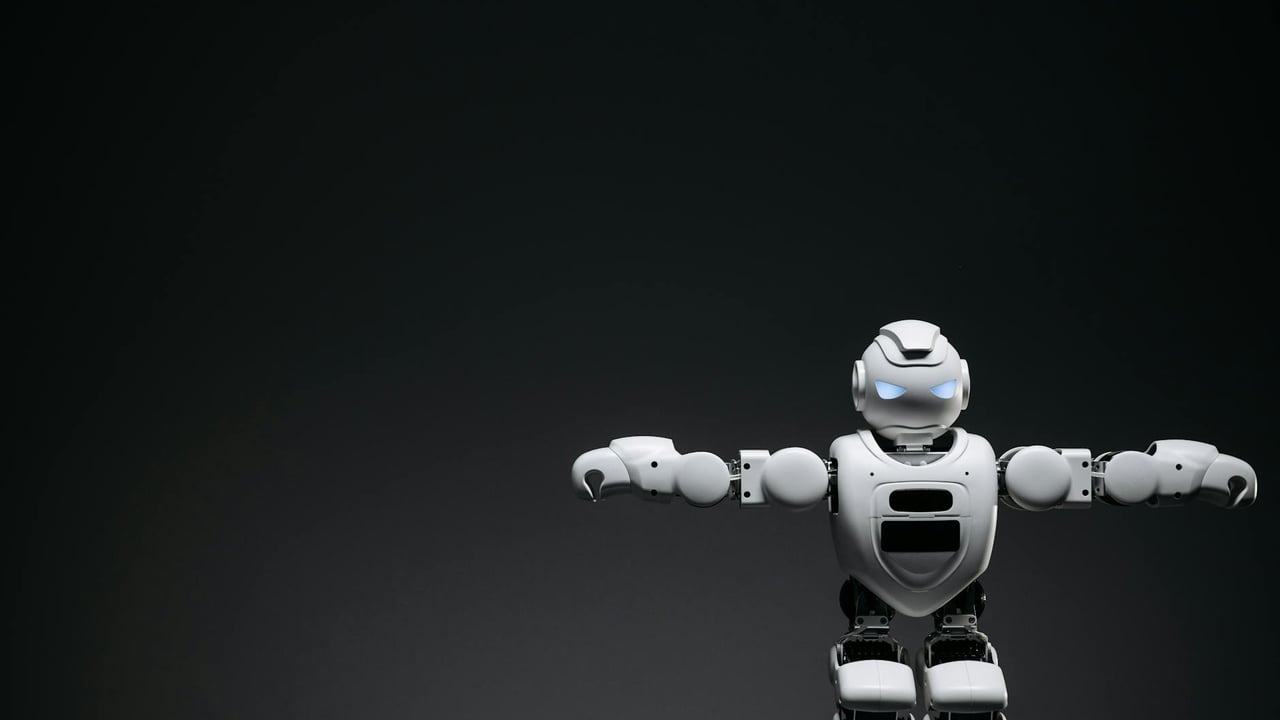
At the vanguard of this shift is the humanoid robot sector, which market analysts now describe as a full-scale 'arms race.' The transition from experimental prototypes to mass-market production is accelerating at an unprecedented pace. Domestic leaders are preparing to scale their output from small batches of several thousand units to massive runs of tens of thousands, targeting diverse applications ranging from industrial inspection to service-oriented tour guides.
Leading Chinese suppliers are also deepening their footprint within global high-tech supply chains, particularly the one surrounding Tesla’s Optimus project. Companies like Top Group and Changying Precision are no longer just component manufacturers; they are developing core subsystems like linear actuators and dexterous hands. With some firms reporting that 80% of their precision components are destined for international clients, China’s robotics industry is becoming as indispensable to the global tech ecosystem as its smartphone manufacturers once were.