

China’s foreign exchange reserves surged to a 28-month high in April 2026, reaching a staggering $3.41 trillion. This $68.4 billion monthly jump—the largest since early 2024—was driven by a favorable 'valuation effect' as the US dollar weakened and global equity markets, particularly the S&P 500, reached record territory. Beyond the headline numbers, the underlying trend reveals a Beijing focused on building a robust financial buffer against external shocks and geopolitical volatility.
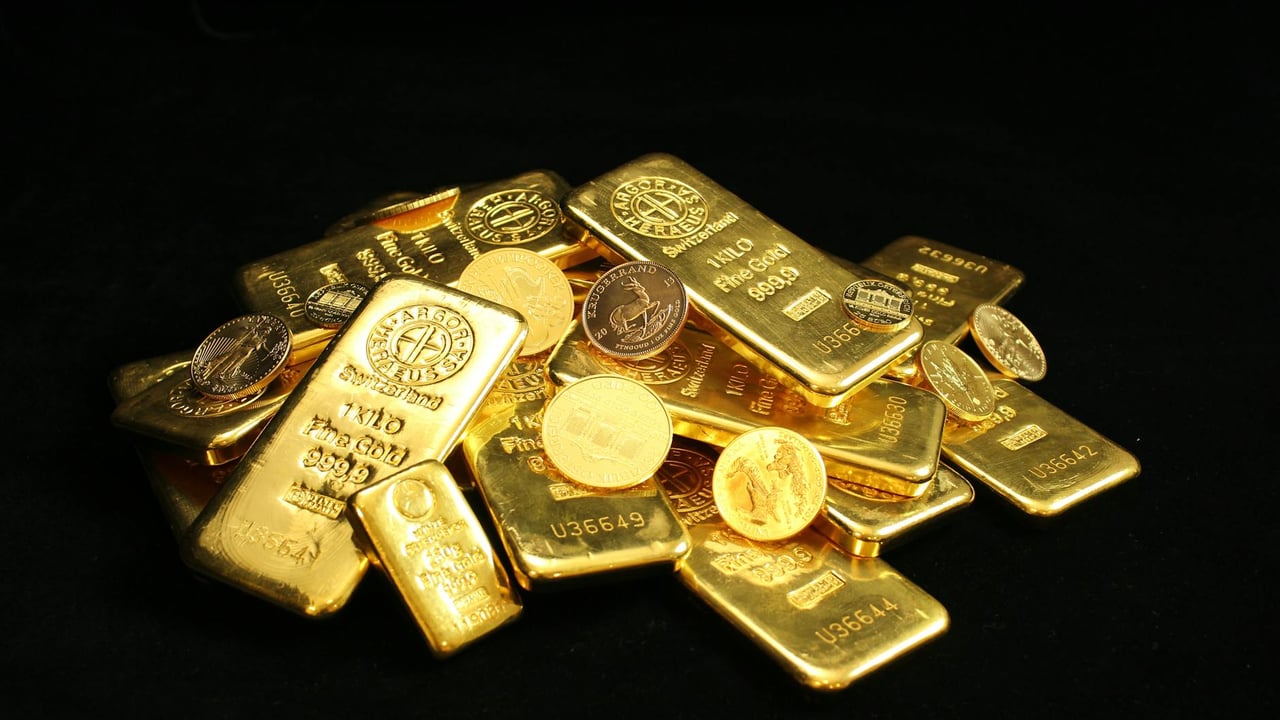
Simultaneously, the People’s Bank of China (PBOC) extended its gold-buying streak to an 18th consecutive month, adding 260,000 ounces to its coffers. This persistent accumulation underscores a strategic pivot toward asset diversification. By increasing its bullion holdings to 74.64 million ounces, China is signaling a long-term commitment to reducing its over-reliance on US Treasury-dominated assets while bolstering the sovereign credit of the Renminbi (RMB).
The surge in reserves coincided with a period of cooling geopolitical tensions in the Middle East, which led to a decrease in safe-haven demand for the US dollar. As the dollar index retreated, non-dollar assets held within China’s portfolio appreciated in value. Experts estimate that currency translation alone accounted for roughly $20 billion of the monthly increase, highlighting how sensitive China's massive portfolio remains to shifts in Federal Reserve policy and global sentiment.
This accumulation of financial 'dry powder' has provided a significant tailwind for the Renminbi, which recently touched its highest level against the dollar since early 2023. By maintaining reserves well above the $3.3 trillion mark, Chinese policymakers have created a formidable 'ballast' to ensure currency stability. This stability is essential for Beijing’s broader ambition: the cautious but steady internationalization of the Yuan as a global trade and reserve currency.
Looking ahead, analysts expect China’s reserve levels to stabilize around the $3 trillion threshold. While the pace of growth may moderate if the dollar regains its footing, the strategic shift toward gold is likely to persist. In an era defined by fragmenting global trade and the weaponization of finance, China views its $3.4 trillion stockpile not just as a rainy-day fund, but as a critical tool of national economic security.