
# De-dollarization
Latest news and articles about De-dollarization
Total: 17 articles found

The Golden Paradox: Why a Potential Mid-East Thaw is Fueling China's Bullion Fever
Gold prices in China have returned to 1,300 RMB per gram as international spot prices climbed above $4,300 per ounce. Despite conflicting signals from global investment banks, structural factors like de-dollarization and central bank demand continue to support a long-term bullish outlook for the precious metal.
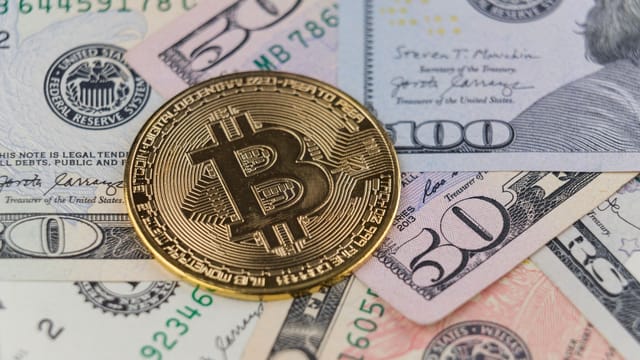
A Golden Retreat: Fed Hawkishness Wipes Out Yearly Gains as Bullion Tests $4,100
Gold prices have collapsed over 4% in a single day, falling below $4,100/oz and erasing all 2026 gains due to surging U.S. inflation and employment data. While higher interest rates have triggered a mass sell-off to Treasuries, institutional analysts believe central bank demand and global debt levels will support a long-term recovery.

The Hormuz Paradox: Why Beijing is Doubling Down on Gold Amid Global Volatility
While the blockade of the Strait of Hormuz and resulting Fed hawkishness have caused short-term gold price drops, the People’s Bank of China and other central banks are buying at record levels. Gold has now overtaken US Treasuries as the world's leading reserve asset, driven by de-dollarization and geopolitical risk hedging.
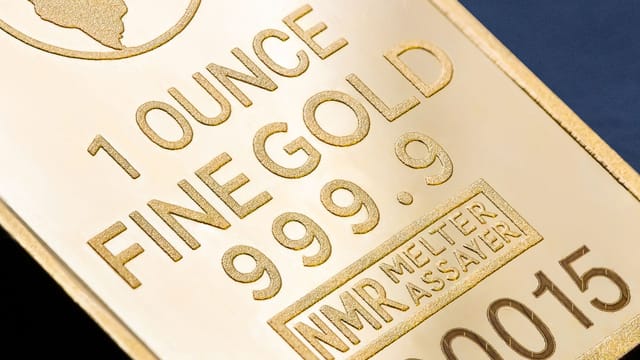
Glittering Contradictions: China’s Gold Rush Hits a Retail Chill as Central Banks Pivot
Gold prices have seen a sharp correction in mid-2026, leading to a retail slump in China despite heavy promotions from jewelry brands. While commercial banks hike margins to manage volatility, the Chinese central bank continues to increase its reserves, highlighting a strategic shift toward gold as a primary reserve asset over U.S. Treasuries.

The Redback’s Rise: How Geopolitics and Policy are Doubling Global Renminbi Usage
Standard Chartered's RGI reports that global renminbi usage has doubled in ten years, driven by geopolitical shifts and robust offshore bond markets. As US dollar hegemony faces pressure from sanctions and inflation, the RMB has emerged as a critical alternative for trade settlement and investment.
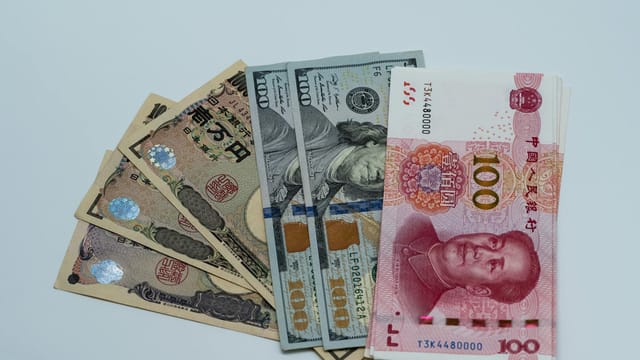
The Great Unwinding: Japan’s Strategic Retreat from the US Treasury Market
Japan’s massive $47.7 billion sale of US Treasuries signals a significant shift in its role from a passive ally to a strategic actor defending its own currency and trade interests. This divestment, prompted by Yen instability and US trade protectionism, highlights the growing fragility of the US debt-based global order.

Gold’s $4,500 Crack: A Liquidity Squeeze or a Fundamental Shift?
Gold prices have dropped below the $4,500 support level as high US Treasury yields and a global dollar liquidity squeeze force central banks and institutional investors to liquidate positions. While short-term technicals remain bearish due to rising opportunity costs and Indian import restrictions, the long-term strategic outlook is supported by continued de-dollarization trends among major central banks.

China’s Financial Fortress: FX Reserves Hit Multi-Year Highs as Gold Spree Hits 18 Months
China’s foreign exchange reserves surged by over $68 billion in April 2026 to reach $3.41 trillion, marking the largest monthly increase in over two years. The rise was accompanied by an 18th consecutive month of gold purchases by the central bank, reflecting a strategic move to diversify assets and stabilize the Renminbi amidst global market shifts.
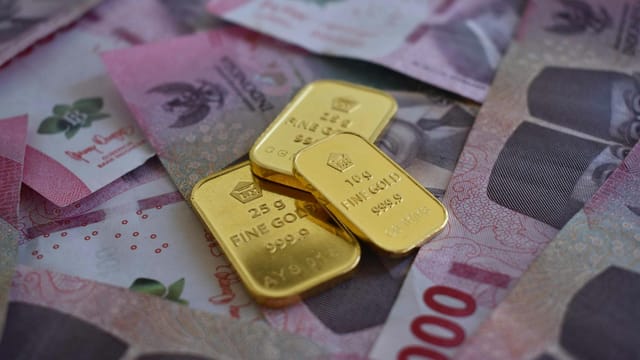
The Golden Hedge: China’s Reserve Accumulation Hits 18-Month Streak Amid Growing Geopolitical Volatility
China has increased its gold reserves for 18 consecutive months as its total foreign exchange holdings climbed to $3.41 trillion. This strategic accumulation occurs alongside rising trade tensions with the EU and escalating military friction in the Strait of Hormuz.
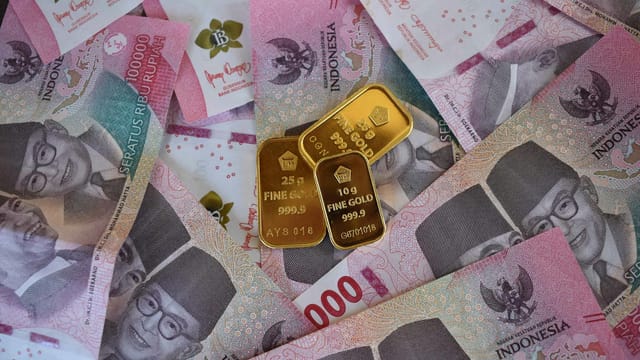
Beijing’s Golden Hedge: PBOC Bullion Spree Hits 18-Month Milestone
China’s central bank has increased its gold reserves for 18 straight months, reaching 74.64 million ounces by April 2026. This move, coupled with foreign exchange reserves rising to $3.41 trillion, highlights Beijing's strategy to diversify away from the dollar amid global market volatility.

Beijing’s Strait Advantage: China Emerges as the Indispensable Broker in the Persian Gulf
As U.S.-Iran military tensions flare in the Hormuz Strait, China has emerged as the sole mediator capable of engaging both sides. Driven by its own energy security and the 1.38 million barrels of Iranian oil it imports daily, Beijing is leveraging its economic ties and the use of the Yuan to challenge U.S. sanctions and propose a new regional security framework.
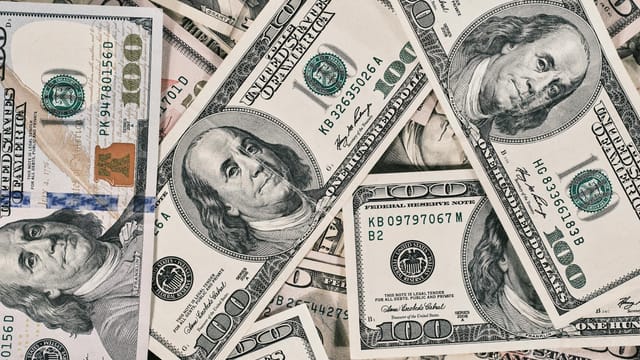
The Great Divergence: China Trims Treasuries as Global Appetite for U.S. Debt Hits Record Highs
Foreign holdings of U.S. Treasuries reached a record $9.49 trillion in February, driven by heavy buying from Canada and Saudi Arabia. Conversely, China continued its long-term strategy of reducing its exposure to U.S. debt, with its holdings falling to $693.3 billion.