The Golden Hedge: China’s Reserve Accumulation Hits 18-Month Streak Amid Growing Geopolitical Volatility

China has increased its gold reserves for 18 consecutive months as its total foreign exchange holdings climbed to $3.41 trillion. This strategic accumulation occurs alongside rising trade tensions with the EU and escalating military friction in the Strait of Hormuz.

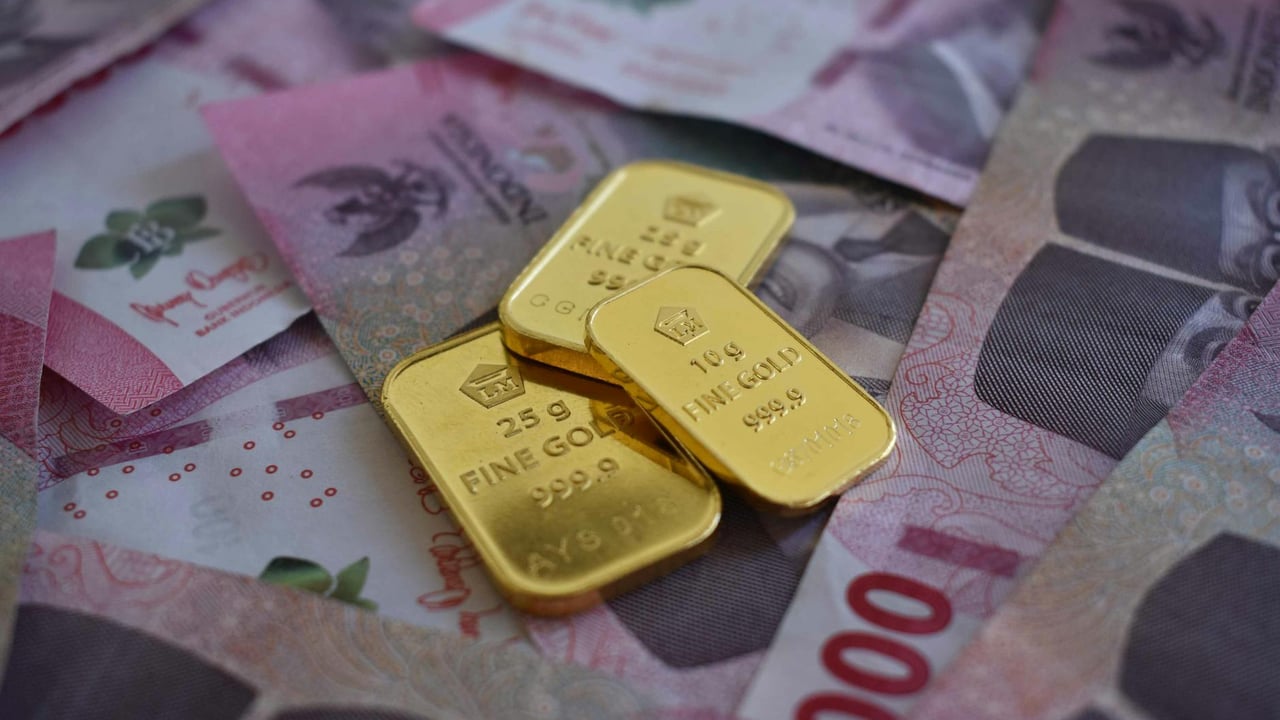
Close-up of gold bars on Thai baht banknotes, symbolizing wealth and prosperity.

Key Takeaways

  • 1The People's Bank of China increased gold reserves for the 18th straight month, reaching 74.64 million ounces in April 2026.
  • 2China's total foreign exchange reserves rose by 2.05% to $3.41 trillion, bolstered by a dip in the U.S. dollar index.
  • 3Trade relations with the EU have soured as Brussels labels Chinese inverters 'high-risk' and restricts project funding.
  • 4Military tensions in the Strait of Hormuz between the U.S. and Iran threaten global shipping and energy stability.
  • 5Brazil has introduced a 30-day visa-free policy for Chinese citizens, signaling a deepening of South-South diplomatic ties.

Editor's
Desk

Strategic Analysis

The persistent growth of China's gold reserves is a textbook example of geoeconomic hedging. By consistently reducing its relative exposure to U.S. Treasury-dominated assets, Beijing is building a financial buffer that could withstand the kind of aggressive sanctions recently seen in the Russo-Ukrainian conflict. This 'de-dollarization' effort is no longer a peripheral goal but a core component of China’s national security strategy. Furthermore, the friction with the EU over green energy components like inverters suggests that the 'de-risking' narrative is evolving into a more aggressive form of technological containment. For global investors, the combination of China’s fortress-building and the volatile security situation in the Middle East points toward a sustained period of high commodity prices and fragmented global markets.

China Daily Brief Editorial
Strategic Insight
China Daily Brief

China’s central bank has extended its gold-buying spree to an eighteenth consecutive month, a clear signal of Beijing’s ongoing strategy to diversify its reserves away from the U.S. dollar. Data released for April 2026 shows gold holdings reaching 74.64 million ounces, an increase of 260,000 ounces from the previous month. This persistent accumulation reflects a broader trend among emerging economies seeking to insulate themselves from Western financial sanctions and currency fluctuations.

Simultaneously, China’s total foreign exchange reserves rose to over $3.41 trillion, marking a 2.05% increase from March. While the State Administration of Foreign Exchange attributed the rise to a weakening U.S. dollar and diverging global asset prices, the underlying narrative is one of a 'Fortress China' mentality. By building a massive war chest of gold and liquid assets, Beijing is preparing for a long-term era of economic decoupling and heightening geopolitical friction.

These financial maneuvers are set against a backdrop of intensifying trade and security disputes with the West. The European Union recently categorized Chinese-made power inverters as 'high-risk,' effectively barring them from subsidized projects, a move Beijing has condemned as discriminatory. This escalating 'stigmatization' of Chinese technology highlights the widening rift between the world’s major trading blocs, even as high-level officials attempt to open dialogues on artificial intelligence and maritime security.

Beyond trade, the global energy supply chain faces renewed threats as tensions flare in the Strait of Hormuz. Recent exchanges between U.S. naval forces and Iranian military units have disrupted commercial shipping routes, prompting the U.S. to consider reviving escorted convoy programs. For China, the world's largest oil importer, these regional instabilities reinforce the urgency of its domestic energy transition and the strategic necessity of its massive financial reserves.

Share Article

Related Articles

📰
No related articles found