Beijing’s Persistent History Card: China Reaffirms ‘Ironclad’ Evidence of Japanese Wartime Crimes

China’s Ministry of Foreign Affairs has intensified its criticism of Japan’s wartime record, using forceful language to describe historical atrocities as indisputable. This strategic use of history aims to constrain Japan’s current defense ambitions while reinforcing China’s moral authority in the Asia-Pacific region.

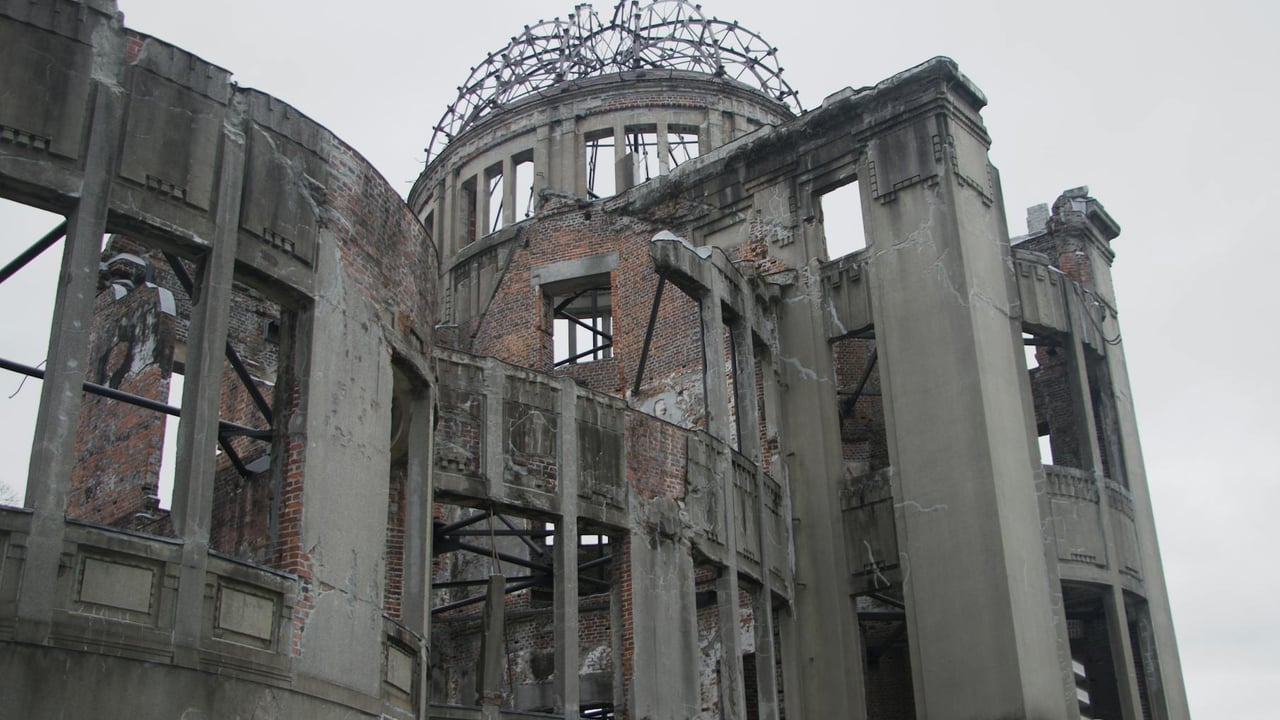
The iconic Hiroshima Peace Memorial Dome stands as a solemn reminder of history in Japan.

Key Takeaways

  • 1China's MFA reaffirms its hardline stance on Japanese wartime history, citing 'ironclad evidence' of past crimes.
  • 2The rhetoric highlights the ongoing use of historical grievances as a primary tool in Chinese public diplomacy.
  • 3Beijing links historical reflection directly to contemporary regional security concerns and Japanese defense shifts.
  • 4The exchange reflects a deepening trust deficit between the two nations that transcends mere policy disagreements.

Editor's
Desk

Strategic Analysis

For Beijing, historical memory is not a matter of archival record but a strategic instrument of 'soft power with hard edges.' By framing Japan as a state that has failed to fully atone for its past, China attempts to delegitimize Japan’s aspirations for a 'normal' military status and drive a wedge between Tokyo and its neighbors. This tactic effectively shifts the focus from China’s own regional assertiveness to Japan’s historical culpability, forcing Tokyo into a defensive posture. As long as regional competition intensifies, expect the Ministry of Foreign Affairs to keep the ghosts of the 1930s and 40s front and center in the diplomatic theater.

China Daily Brief Editorial
Strategic Insight
China Daily Brief

The Chinese Ministry of Foreign Affairs has once again deployed some of its most pointed historical rhetoric, characterizing Japan’s past militarist actions as a litany of crimes too numerous to record. This recent escalation in verbal hostility underscores a fundamental pillar of Beijing’s regional strategy: ensuring that the legacy of the Second World War remains a live issue in contemporary diplomacy.

By utilizing terms such as "ironclad evidence," China is not merely reciting a history lesson but is actively contesting Japan’s modern identity on the global stage. This narrative serves a dual purpose, acting as both a unifying force for domestic nationalist sentiment and a diplomatic lever to pressure Tokyo during periods of increased security cooperation between Japan and the West.

The timing of these remarks often coincides with shifts in Japanese defense policy or symbolic gestures by Japanese officials that Beijing perceives as historical revisionism. As Tokyo seeks a more proactive regional security role, China counters by reminding the international community of the catastrophic consequences of Japan’s last period of military expansionism.

Ultimately, this cycle of accusation and denial ensures that the "history problem" remains a central friction point in East Asian geopolitics. Until a consensus on the past is reached—an outcome that seems increasingly unlikely—memory will continue to function as a potent weapon in the strategic competition between the region's two largest powers.

Share Article

Related Articles

📰
No related articles found