The Twelve-Million-Yuan Man: Executive Pay and the Tech Ambitions of the Greater Bay Area

TCL Chairman Li Dongsheng leads Huizhou's executive pay rankings with an annual salary of 12.04 million RMB as local tech firms pivot toward high R&D spending and educated workforces. The 2025 reports reveal a divergent landscape where executive compensation is increasingly linked to technological competitiveness in the global market.

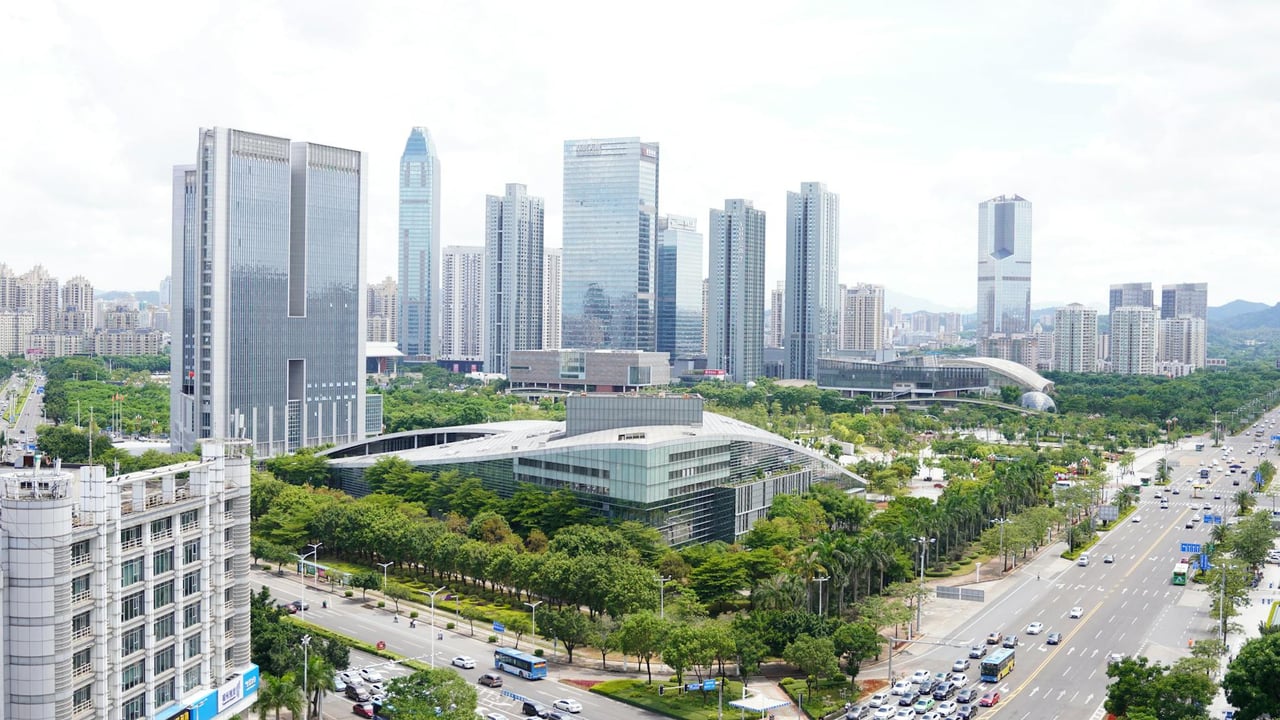
Aerial view of Huizhou cityscape with modern skyscrapers and vibrant urban landscape.

Key Takeaways

  • 1TCL Technology's Li Dongsheng is the highest-paid executive in Huizhou with an annual salary exceeding 12 million RMB.
  • 2Executive pay trends are diverging, with some chairmen seeing 100% year-on-year increases while others face multi-year reductions.
  • 3Tech giants like Desay SV are transitioning to a high-skill model, with nearly 50% of staff holding degrees and 40% dedicated to R&D.
  • 4R&D intensity is rising, with leading manufacturing firms now spending over 10% of their revenue on innovation.
  • 5The data reflects Huizhou's broader strategy to move up the value chain within the Greater Bay Area's industrial ecosystem.

Editor's
Desk

Strategic Analysis

The compensation data from Huizhou serves as a barometer for the health of China’s private sector and its strategic pivot toward 'New Productive Forces.' Li Dongsheng’s high salary is a pragmatic signal that, despite the political emphasis on narrowing wealth gaps, the state remains willing to tolerate high executive rewards for industrial veterans who can navigate global supply chain pressures. More importantly, the rise in R&D-to-revenue ratios and the 'professionalization' of the workforce indicate that Huizhou is no longer just a 'factory of the world.' It is evolving into a tech hub where human capital and intellectual property are the primary drivers of valuation, making it a critical node for international investors tracking China’s long-term industrial resilience.

China Daily Brief Editorial
Strategic Insight
China Daily Brief

As the 2025 annual reporting season draws to a close, the financial disclosures from Huizhou’s premier listed companies offer a window into the evolving corporate landscape of southern China’s manufacturing heartland. At the center of the conversation is Li Dongsheng, the veteran chairman of TCL Technology, whose annual salary has reached 12.04 million RMB. This figure, roughly equivalent to 33,000 RMB per day, cements his position as the highest-paid executive among the 20 major A-share firms headquartered in the city.

While high-profile executive compensation often invites scrutiny under China’s broader 'Common Prosperity' rhetoric, the Huizhou data suggests a more nuanced story of market-driven incentives. In a year marked by industrial recalibration, some leaders saw their earnings double—as seen with Shenghong Technology’s Chen Tao—while others, such as Victory Giant Technology’s leadership, experienced successive years of pay cuts. This divergence reflects a shifting corporate reality where compensation is increasingly tied to global performance and technological breakthroughs rather than seniority alone.

Beyond the boardroom salaries, the reports highlight a significant structural shift in the Pearl River Delta’s labor force. Several of these industrial giants, including Desay SV and Nineview, now report that nearly half of their tens of thousands of employees hold undergraduate degrees or higher. This move toward a 'high-talent' model is mirrored in the region’s R&D spending; firms like Liwinon are now reinvesting more than 10% of their total revenue back into innovation, signaling a move away from low-end assembly toward high-value intellectual property.

This trend underscores Huizhou’s critical role within the Greater Bay Area as a laboratory for industrial upgrading. As TCL and its peers compete on a global stage against giants from South Korea and Taiwan, the high cost of executive leadership and the aggressive recruitment of engineers are viewed not as luxuries, but as essential costs of survival in the high-stakes semiconductor and display industries.

Share Article

Related Articles

📰
No related articles found