
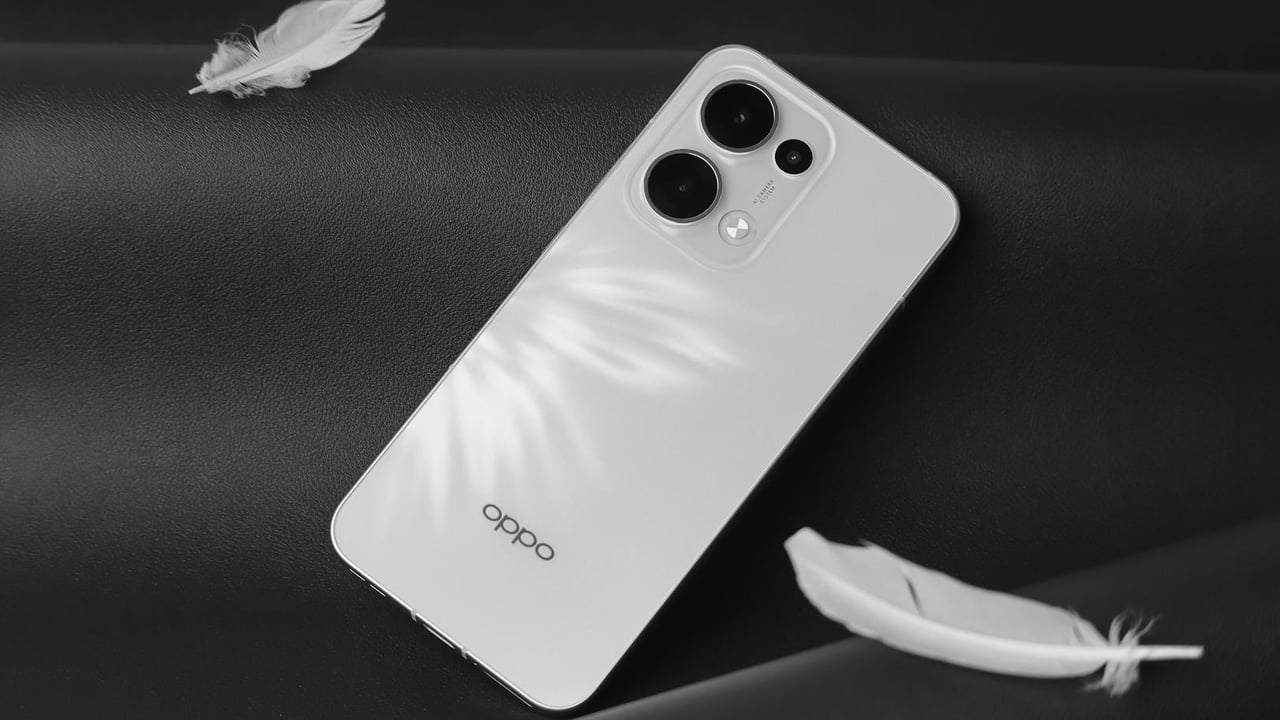

The marketing department at OPPO, one of China’s premier smartphone manufacturers, had a rough week this May. A Mother’s Day advertisement intended to be clever—suggesting a mother had 'two husbands,' one being her real spouse and the other a celebrity idol—was met with immediate public backlash. The attempt to tap into 'fandom culture' was viewed as tone-deaf and disrespectful, leading to a swift deletion and a public apology. This was not an isolated incident; only a month prior, a high-ranking executive’s use of 'greasy' internet slang to promote a new purple handset was equally ridiculed by the very demographic the brand hoped to attract.
Despite holding a robust 16% share of the domestic market and ranking third overall, OPPO faces a looming crisis: a lack of soul. While the company pours billions into celebrity endorsements and 4A advertising agencies, brand loyalty among younger consumers remains a tepid 34%. This discrepancy highlights a fundamental misunderstanding in Chinese corporate boardrooms. Brands are attempting to 'act' young by mimicking slang, rather than 'being' young by adopting the mindset of their audience. The result is a phenomenon Chinese netizens call 'Daddy-ism'—a condescending, preachy tone that attempts to lecture rather than engage.
The structural misalignment is palpable. In many top-tier Chinese consumer brands, the average age of a Chief Marketing Officer is 47, while the execution teams average 34. Crucially, 85% of 'youth-oriented' marketing proposals are approved by decision-makers over the age of 35. This creates a filter where the authentic voice of Gen Z is distilled through layers of PowerPoint presentations and 'trend reports' until it becomes a caricature. These brands are buying a version of youth curated by agencies that are more interested in renewing contracts than in challenging a client’s outdated product philosophy.
Success stories like SHEIN, Durex, and the tea chain Chagee offer a stark contrast. These brands do not just use young language; they possess a young product logic. SHEIN’s success is built on a supply-chain-as-product strategy that mirrors the fast-paced digital life of its users. Durex succeeds because it treats sex as a normal, equal human need rather than a taboo to be moralized. For these companies, marketing is merely an amplifier of an existing cultural alignment. For OPPO and its peers, marketing is often used as a bandage for a product experience that feels increasingly disconnected from modern user pain points, such as system stability and genuine innovation.
The shelf life of 'cosmetic youthification' is shortening. Gen Z consumers in China have developed a sophisticated 'fake-brand-detection system.' They can distinguish between a brand that truly understands their values—equality, authenticity, and anti-preachiness—and one that is merely wearing a trendy mask. As social media gives every consumer a microphone, the era where a brand could define 'cool' through a top-down advertising blitz is over. For the old guard of Chinese tech, the cost of staying relevant is no longer found in the marketing budget, but in the courage to let the younger generation actually run the show.