
# Gen Z
Latest news and articles about Gen Z
Total: 17 articles found

The Goose that Laid a Duck: China’s Viral 'Goose Leg Auntie' Scandal and the Erosion of Social Trust
A beloved street vendor who gained national fame for selling 'goose legs' to elite university students has admitted to selling cheaper duck meat for over a decade. The scandal has sparked a national debate in China over the commercialization of social trust and the reliability of viral narratives promoted by state media and universities.

The Digital Frontline: China’s PLA Launches High-Stakes Recruitment Drive for the Class of 2026
China’s military has launched its 2026 recruitment campaign for military academies, using modern digital media to attract high-achieving youth. This initiative is a critical component of Beijing’s broader strategy to modernize the PLA through better-educated, technologically proficient personnel.

The Liminal Leap: How YouTube Creators Are Dismantling the Hollywood Blockbuster Model
A new wave of Gen Z directors, led by YouTube creators Kane Parsons and Curry Barker, is shattering box office records with low-budget horror films born from internet subcultures. Their success marks a significant pivot away from traditional film school paths and legacy studio reliance on expensive, aging franchises.

The Great Wallet Pivot: China’s Consumers Aren't Closing Their Purses—They’re Changing Targets
Contrary to the 'consumption downgrade' narrative, Chinese consumers are pivoting from traditional big-ticket goods like cars and real estate toward services and 'emotional' spending. This structural shift, led by Gen Z and the 240-billion-yuan 'Gu-zi' economy, marks a transition from material accumulation to experiential and identity-driven value.

The Rise of the 'One-Person Multinational': How AI Agents are Empowering China’s Gen Z Exporters
China's Gen Z entrepreneurs are utilizing autonomous AI Agents to build 'One-Person Companies' in the cross-border e-commerce sector, drastically reducing startup costs and operational friction. As platforms like Alibaba and Amazon integrate these 'digital employees,' the barrier to global trade is shifting from capital and labor to the strategic mastery of AI orchestration.

Burgers and Beasts: How China’s Tastin is Repurposing Mythology for the Gen Z Palate
Tastin’s recent collaboration with the anime 'You Shou Yan' highlights a sophisticated evolution of the 'Guochao' marketing trend in China. By blending mythological IP with interactive merchandise and localized flavors, the brand is successfully converting traditional culture into social currency for Gen Z consumers.

Lost in Translation: Why China’s Tech Giants Can’t Buy Gen Z Loyalty
OPPO's recent marketing failures in China highlight a deepening generational divide between aging corporate leadership and Gen Z consumers. Despite high market share, low brand loyalty persists because tech giants prioritize superficial slang over authentic cultural alignment and product innovation.

The Invisible Sentinels: Guarding China’s Strategic Secrets in the Digital Desert
This report examines a secretive People’s Armed Police unit in Sichuan dedicated to guarding China’s strategic assets. It highlights the stark contrast between the digital-native 'Gen Z' soldiers and the absolute isolation and secrecy required by their mission to protect the 'Sword of the Nation.'

Born for the Blue: How Beijing Uses Gen Z to Humanize Its Global Naval Ambitions
To mark the PLA Navy's anniversary, Chinese military media is highlighting Gen Z sailors to humanize its rapid modernization. This narrative aims to attract tech-savvy talent and project a more relatable image of China's growing global maritime power.
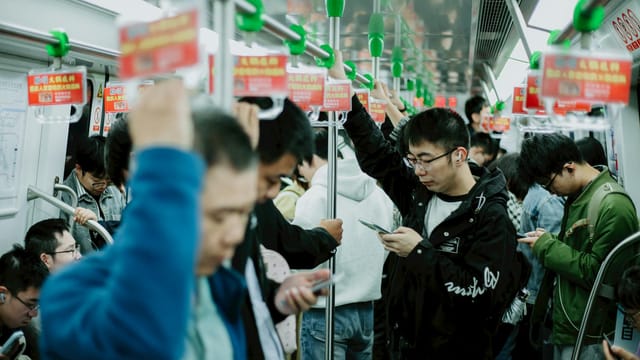
The Price of Cyber-Intimacy: China’s ‘Old Man’ Scams and the Commodification of Loneliness
The 'Beng Laotou' phenomenon in China involves young scammers soliciting small 'milk tea' payments from middle-aged men in exchange for virtual attention. Driven by a crisis of loneliness and emotional alienation, this trend has evolved into a industrialized gray market that monetizes the psychological voids of modern urban life.

From Imperial Altars to Digital Carts: The $4 Billion Revitalization of China’s Agarwood Market
China's agarwood industry has transformed from a niche, opaque collectors' market into a $4 billion mainstream sector driven by livestreaming and young consumers. Through innovative design and supply chain transparency, the ancient incense is finding a second life as a standardized, modern luxury for Gen Z.

The New Silk Road of Silicon: Why Chinese Big Tech is Pivoting West to Chengdu
Chinese tech giants including Xiaomi, Tencent, and ByteDance are deepening their presence in Chengdu, shifting the country's digital creative center westward. The city is leveraging high-tech infrastructure and a high concentration of Gen Z talent to transform from a regional hub into a primary national engine for digital culture and AI innovation.