Austerity in the C-Suite: Vanke Institutionalizes Executive Accountability Amid Property Downturn

China's Vanke has implemented a restrictive new compensation structure for 2026, mandating that performance-based pay exceed 50% of total earnings and introducing its first-ever clawback mechanism. The policy formalizes a period of deep austerity for the company, which has seen executive payouts collapse by 88% since 2020.

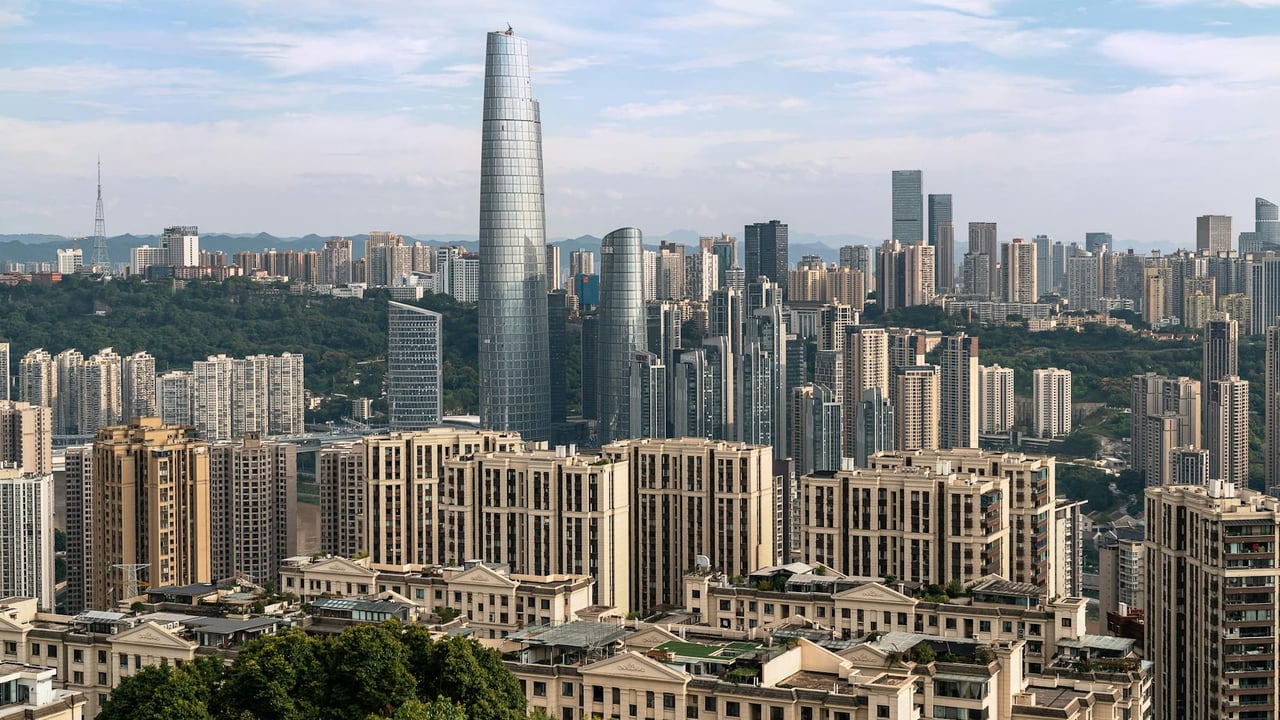
A dynamic cityscape showcasing tall skyscrapers under a clear sky, highlighting urban architecture.

Key Takeaways

  • 1Vanke's new 2026 compensation policy requires at least 50% of executive pay to be performance-linked.
  • 2The company introduced its first 'stoppage and recovery' mechanism to claw back bonuses in cases of fraud or losses.
  • 3Total executive compensation has dropped by 88% compared to the 2020 peak, falling from 58 million yuan to 7 million yuan.
  • 4Top leadership salaries have been decimated, with the Chairman receiving zero pay and former CEOs receiving nominal amounts compared to past millions.
  • 5Bonus payouts are now explicitly tied to the company's ability to avoid losses or stop the expansion of existing losses.

Editor's
Desk

Strategic Analysis

Vanke's decision to institutionalize pay cuts and clawbacks is a calculated strategic move to appease both state-linked creditors and a wary public. By formalizing these rules, Vanke is signaling that it has moved beyond the 'growth-at-all-costs' model that defined the pre-2021 era and is adopting a discipline more typical of state-owned enterprises or heavily regulated financial institutions. The 88% drop in pay reflects the broader 'common prosperity' drive in China, where high-profile corporate excess is no longer politically or economically viable. This framework likely serves as a blueprint for other distressed developers seeking to demonstrate fiscal responsibility and win back the trust of regulators during a protracted real estate slump.

China Daily Brief Editorial
Strategic Insight
China Daily Brief

Vanke, once the gold standard of Chinese real estate, is fundamentally rewriting the contract between the firm and its leaders. Following a high-level board meeting, the developer has announced a rigorous new compensation framework for 2026 that ties more than half of executive pay directly to performance and, for the first time, introduces punitive "clawback" measures.

The move represents a stark institutionalization of the austerity that has gripped the sector for years. Under the new rules, performance-based pay must constitute at least 50% of an executive's total compensation. More tellingly, the company has mandated that should Vanke swing from profit to loss—or see its losses widen—executive bonuses must be slashed accordingly.

Perhaps the most significant addition is the "stoppage and recovery" mechanism. This allows the company to freeze unpaid incentives or claw back previously distributed funds if executives are found responsible for financial fraud, illegal guarantees, or actions that lead to significant corporate losses. This brings Vanke’s corporate governance closer to international standards and reflects the tightening regulatory environment in Beijing.

The financial reality for Vanke’s leadership has already shifted dramatically from its peak. In 2020, seven top executives shared a combined 58 million yuan; by 2025, that total figure had plummeted by 88% to just 7 million yuan. Chairman Huang Liping now draws zero salary from the firm, and former high-fliers have seen their multi-million dollar packages evaporate into nominal sums.

This transition from the "golden era" of ten-million-yuan salaries to the current "survival mode" highlights the existential crisis facing China’s property giants. While Vanke was once seen as a robust survivor compared to peers like Evergrande, these new rules suggest management is bracing for a long, difficult winter where every yuan of profit must be earned through efficiency rather than market momentum.

Share Article

Related Articles

📰
No related articles found