Kelly Zong’s Surgical Strike: A Radical Overhaul at Hongsheng Amid Shipment Crisis

Kelly Zong has taken direct command of Hongsheng Beverage Group's marketing and sales divisions following a disastrous 83% drop in shipments. The radical restructuring includes mass dismissals, distributor crackdowns, and a 30% staff reduction through outsourcing non-core operations.

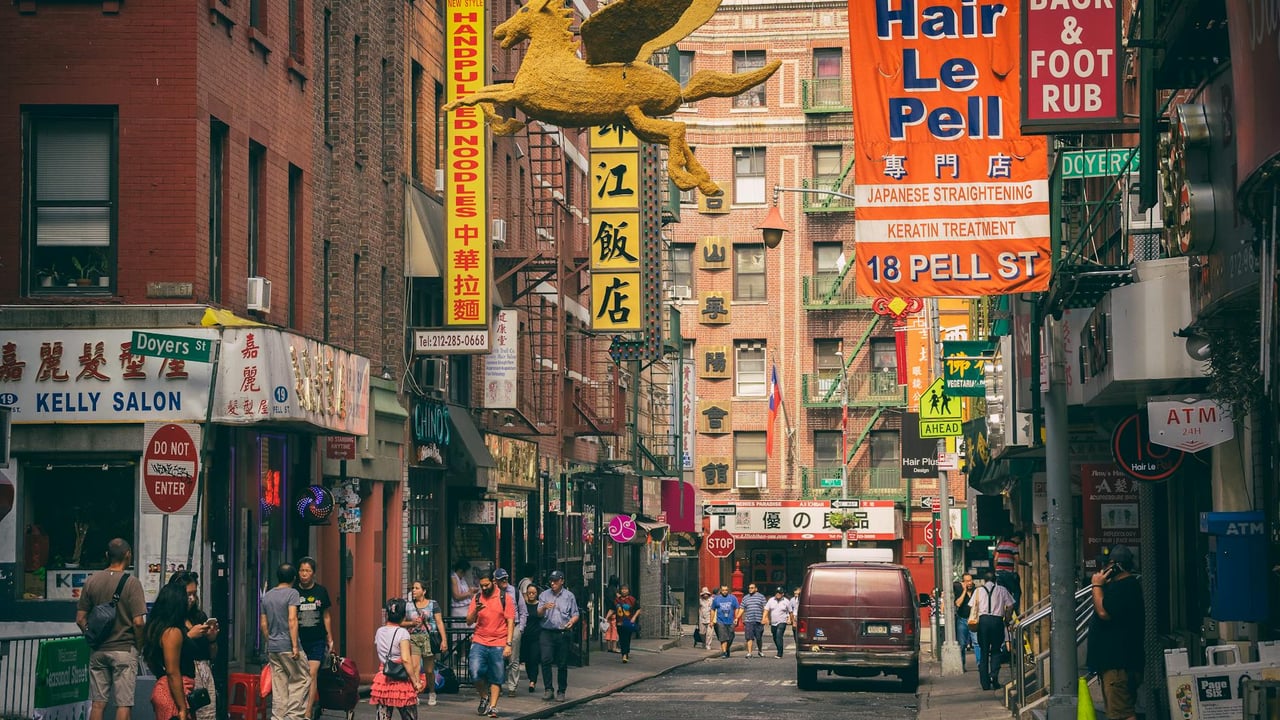
Vibrant Chinatown street in New York City filled with people and colorful signs.

Key Takeaways

  • 1Kelly Zong has centralized control of marketing and sales at Hongsheng Beverage Group to improve operational efficiency.
  • 2Internal data shows a critical 83% year-on-year decline in shipments and a 24% drop in overall reports.
  • 3The overhaul includes the dismissal of the Sales GM and several regional managers, alongside a 30% headcount optimization via outsourcing.
  • 4Twenty-two distributor accounts have been closed and 220 others issued severe warnings due to poor contract fulfillment.
  • 5The group is pivoting to a 'modernized management' style characterized by flat structures and rigorous performance-based assessments.

Editor's
Desk

Strategic Analysis

Kelly Zong's recent actions represent a classic 'successor's dilemma': the need to dismantle a legacy system to save the business it built. While her father, Zong Qinghou, built Wahaha on the strength of deep personal relationships with a sprawling network of small-town distributors, Kelly is pivoting toward a cold, data-driven KPI culture. The current shipment crisis—revealed by the 83% drop—suggests that the old guard or the traditional distribution network may be resisting this transition, or that the transition itself has fractured the supply chain. This is more than a simple reorganization; it is a high-risk gamble to see if a Western-style lean management approach can survive in a domestic Chinese market that was forged on 'guanxi' and mutual loyalty. If she cannot bridge the gap between production and the consumer before the summer ends, the structural damage to the brand's market share could be permanent.

China Daily Brief Editorial
Strategic Insight
China Daily Brief

Kelly Zong, the successor to the Wahaha beverage empire, has initiated a high-stakes restructuring at Hongsheng Beverage Group. By taking direct control of the marketing center, Zong is moving to centralize power and bypass the traditional hierarchies that have long defined the legacy firm founded by her late father, Zong Qinghou. This 'surgical' intervention signals a shift toward a flatter, more aggressive corporate structure designed for speed and accountability.

The restructuring comes at a perilous time for the beverage giant. Internal performance metrics reveal a staggering 83% year-on-year collapse in shipments, with the group meeting only 15% of its current targets. These figures suggest a breakdown in the transition between production and the marketplace, just as the industry enters the critical summer peak. The bottleneck appears to lie with the distributors, who have struggled to fulfill contracts, prompting Zong to take a hard line against underperformance.

In a clear departure from the paternalistic management style of the previous generation, the purge has been swift. General managers and production heads have been dismissed, while hundreds of distributors have been served with warnings or had their accounts closed entirely. To shore up the bottom line, the company is also aggressively outsourcing non-core functions such as property management and warehousing, a move expected to result in a 30% reduction in internal staff headcount by late June.

This aggressive push toward 'modernization' is Zong's attempt to reconcile Wahaha’s vast, traditional distribution network with modern efficiency. However, the scale of the current shipment delays suggests that the friction of this transition is higher than anticipated. Whether these organizational 'surgeries' can revive the brand's momentum before the summer heat fades remains the defining test of Zong's leadership and her ability to sustain her father’s legacy in a more volatile market.

Share Article

Related Articles

📰
No related articles found