

As Donald Trump prepares for his high-stakes visit to Beijing, he is not arriving alone. He is accompanied by a delegation that represents the bedrock of American corporate power, a 'who's who' of Silicon Valley, Wall Street, and the industrial heartland. From Nvidia’s Jensen Huang and Apple’s Tim Cook to the chief executives of Boeing and ExxonMobil, the message is clear: the American private sector is desperate to re-engage with the world’s second-largest economy.
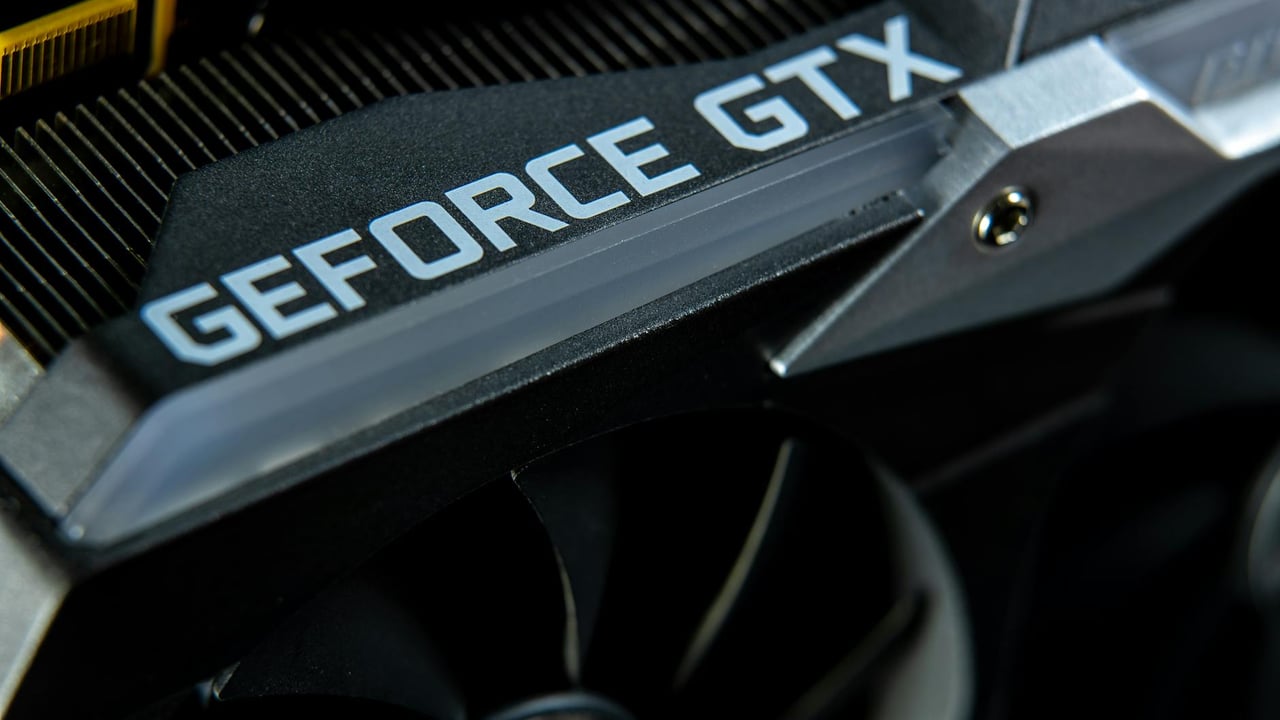
For Nvidia’s Jensen Huang, the mission is one of market survival. The company has seen its dominant position in China eroded by aggressive US export controls, leaving a vacuum that domestic champions like Huawei and Cambricon are eager to fill. Huang finds himself in a strategic paradox, attempting to navigate a 'middle path' that satisfies Washington’s security hawks while offering Chinese clients high-performance silicon that isn't perceived as 'crippled' or second-rate compared to international versions.
Apple’s Tim Cook faces a similarly delicate balancing act. Despite years of rhetoric regarding 'de-risking' and moving production to India or Vietnam, Apple remains tethered to Chinese manufacturing, with over half of its core suppliers based on the mainland. With Greater China serving as Apple’s second-largest market—and the only one recently showing a revenue decline—Cook’s presence is a recognition that the company can survive a change in leadership, but it cannot survive the loss of the Chinese consumer.
Boeing, perhaps more than any other firm, views this trip as an existential necessity. Having failed to secure a major Chinese order in six years, the aerospace giant has watched its European rival Airbus capture the market. While China’s own C919 is beginning to enter service, production bottlenecks mean Beijing still needs hundreds of wide-body jets to meet surging domestic demand. This creates a narrow window for Boeing to leverage Trump’s transactional style to secure a rumored 500-plane deal.
Wall Street's giants, including Blackstone and Citigroup, are arriving with a different objective: identifying 'value' in a market that many believe has bottomed out. As US asset prices hover in high-risk territory, legendary investors are looking toward China’s stabilizing capital markets and the 'slow bull' trend emerging from recent policy shifts. They see a landscape of 'value depressions' that offer lucrative entry points for those with the political cover to move.
Ultimately, the power dynamics of this visit have shifted significantly from previous eras. China’s diversified energy imports and burgeoning self-sufficiency in high-tech sectors like lithography and aerospace engines mean that Beijing is no longer a desperate buyer. For Trump to secure the 'grand bargain' he desires to bolster his domestic political standing, he will likely have to offer more than just access; he may have to trade in the very technologies the US has spent years trying to guard.