
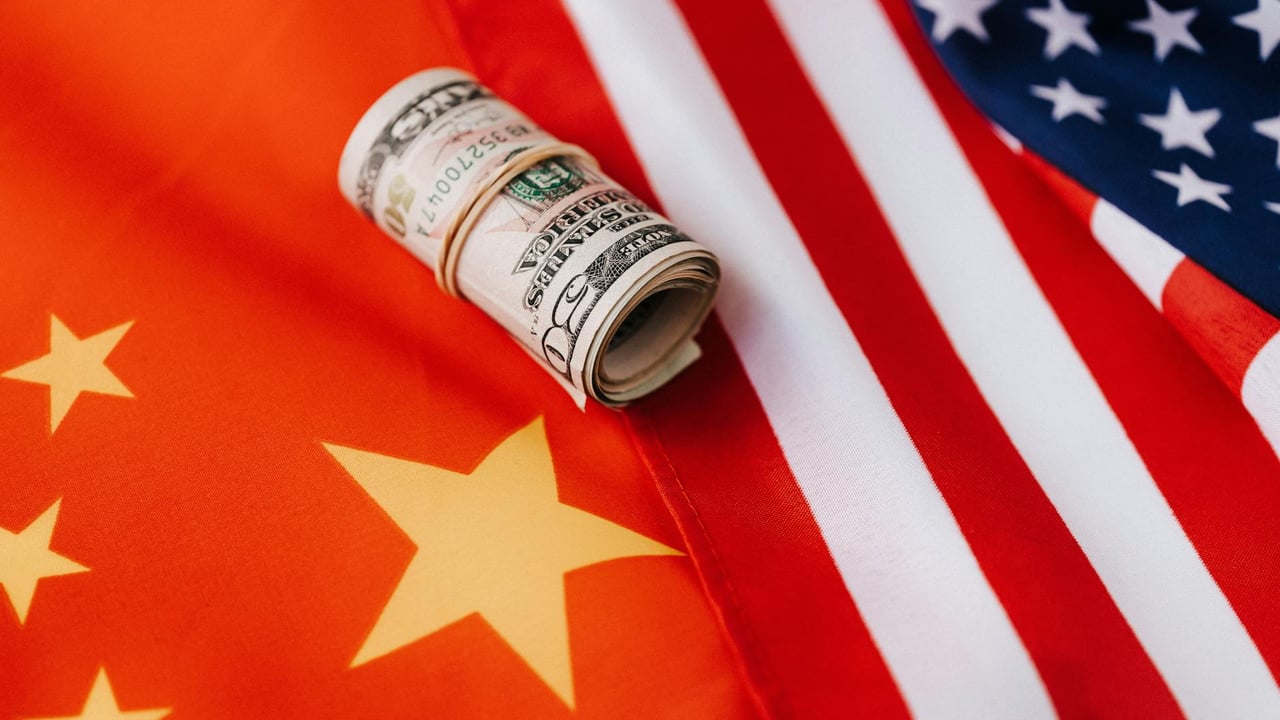

The Chinese Ministry of Foreign Affairs has officially detailed the upcoming state visit of U.S. President Donald Trump, signaling a pivotal moment in the complex dance between the world’s two largest economies. As Beijing prepares the red carpet, the announcement reflects a calculated blend of diplomatic protocol and strategic signaling aimed at a global audience. This visit marks a significant attempt to recalibrate a relationship that has been defined by intensifying competition and tactical decoupling over the last several years.
Chinese officials emphasized that the visit serves as an opportunity to bridge widening gaps in trade policy and regional security. By framing the expectations around 'mutual respect' and 'win-win cooperation,' the Ministry is attempting to anchor the narrative before the American delegation arrives. This diplomatic posture is designed to project stability to global markets that have remained on edge regarding the potential for renewed tariff escalations or technology restrictions.
Behind the formal rhetoric lies a deep-seated pragmatism regarding President Trump’s transactional approach to foreign policy. Beijing appears ready to leverage high-profile ceremonies and 'State Visit Plus' hospitality to create a conducive atmosphere for hard-nosed negotiations. The focus is expected to land squarely on balancing trade deficits and navigating the thorny issues surrounding semiconductor supply chains and maritime sovereignty in the Indo-Pacific.
For the international community, the stakes of this summit extend far beyond bilateral trade. The outcome of these discussions will likely dictate the pace of global economic growth and the stability of geopolitical flashpoints for the remainder of the decade. As the two leaders prepare to meet, the world watches to see if this encounter will result in a sustainable detente or merely a temporary pause in an era of systemic rivalry.