
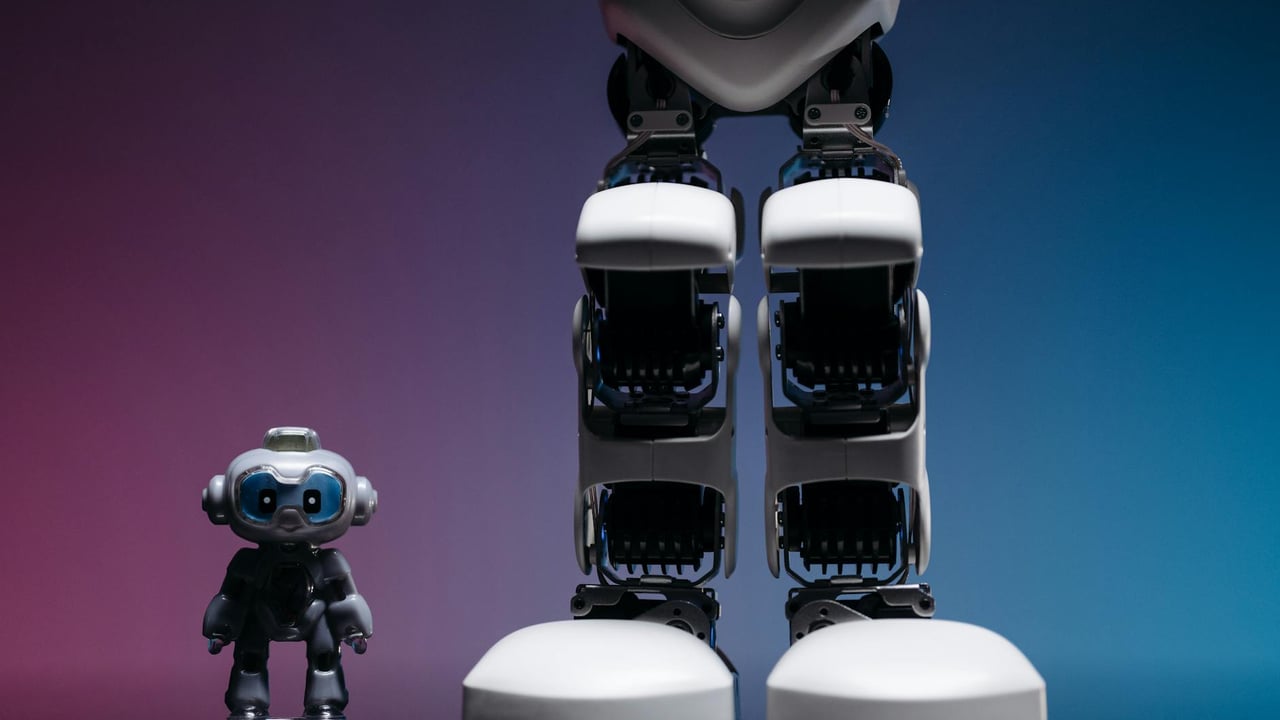

China’s ambitions to dominate the global robotics market are increasingly leaning on standardized artificial intelligence platforms that can be rapidly integrated across diverse hardware. iFlytek, the domestic leader in speech recognition and large language models, has recently confirmed that its 'Robot Hyper Brain' platform now supports more than 500 smart robot manufacturers. This ecosystem covers a wide spectrum of machinery, from sophisticated humanoid models and agile quadruped ‘robot dogs’ to standard public service units found in malls and hospitals.
By offering a 'Hyper Brain' rather than just individual software components, iFlytek is positioning itself as the foundational layer of China’s robotic infrastructure. The platform provides essential AI services including voice interaction, multimodal perception, and what the company calls 'ultra-human-like' interactive capabilities. This software-hardware integration allows manufacturers to bypass the costly and time-consuming process of developing proprietary neural architectures, focusing instead on physical design and specialized use cases.
The surge in partnerships highlights a significant shift in the Chinese tech landscape toward 'New Productive Forces.' As Beijing pushes for advanced automation to counter demographic shifts and labor shortages, the demand for robots that can 'hear, speak, understand, and act' has reached a fever pitch. iFlytek’s role has evolved from a niche provider of voice tech to a central coordinator for the country's most advanced mechanical projects.
Industry analysts view this milestone as a sign of consolidation in logic, if not in brand. While the hardware market remains fragmented with hundreds of small to mid-sized players, the intelligence behind these machines is becoming increasingly centralized. By embedding its AI into the hardware of over 500 partners, iFlytek is effectively creating a standardized cognitive framework for the next generation of Chinese industrial and consumer automation.