
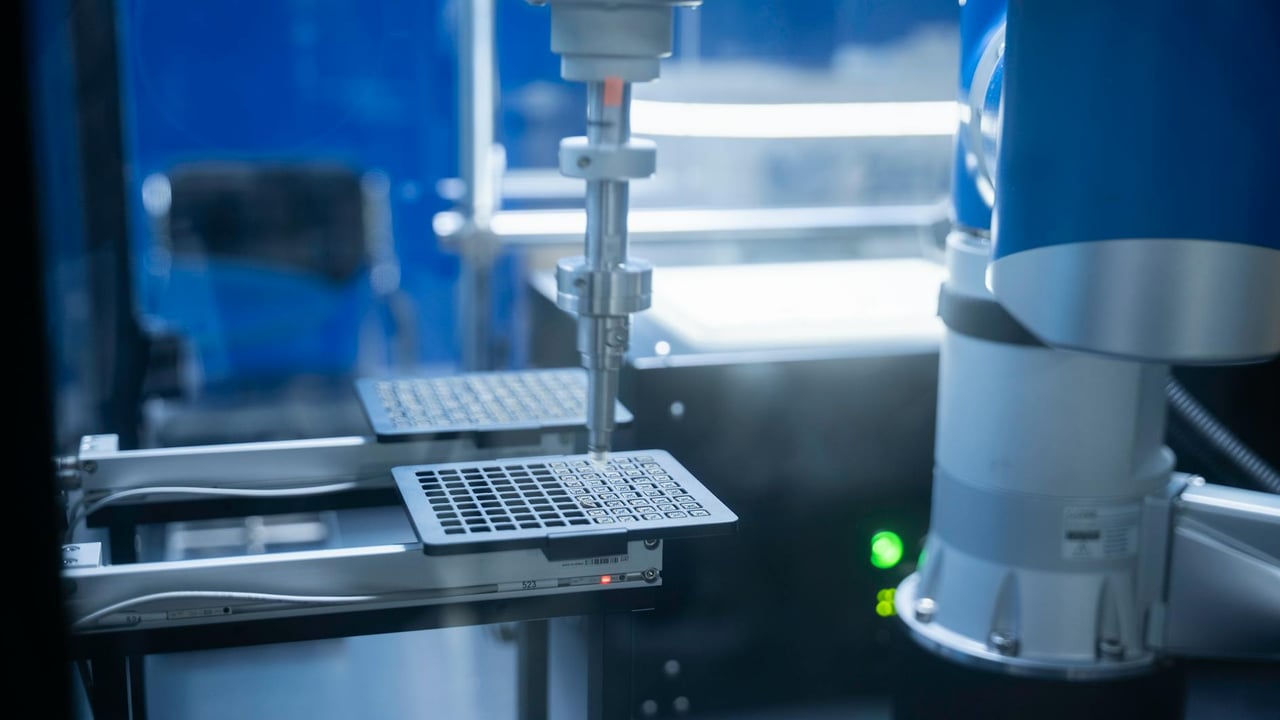

Double Gun Technology, a dominant player in China’s bamboo kitchenware industry, has moved to temper investor expectations regarding its latest R&D venture. The company clarified that its 'Bamboo-based Bio-plastic' material is currently only in the pilot testing phase. This announcement serves as a significant reality check for market speculators who had linked the material to high-growth sectors such as humanoid robotics and optical modules.
The firm specifically denied that the material has found any application in the fields of robotics or communication hardware. In the volatile environment of the Chinese A-share market, traditional manufacturers often find themselves swept up in 'concept stock' rallies. Rumors frequently circulate on investor forums suggesting that specialized materials from mundane industries might become critical components for AI-driven hardware.
While the technology remains in the laboratory, its development aligns with Beijing’s national strategy of 'Bamboo as a Substitute for Plastic.' This initiative aims to leverage China’s vast bamboo resources to reduce carbon emissions and plastic pollution. Double Gun’s transition from chopsticks and cutting boards to sophisticated biocomposites represents a strategic attempt to move up the value chain, even if the high-tech applications are not yet realized.
Industry analysts note that while bamboo-reinforced plastics offer high tensile strength and a lower carbon footprint, the leap to precision electronics or robotic limbs involves rigorous certification and consistency standards. For now, Double Gun remains grounded in its traditional manufacturing roots while it navigates the complex transition from a household goods provider to a materials science innovator.