Xiaomi’s Open-Source Gambit: Lei Jun Challenges Tesla’s AI Hegemony with OneVL

Xiaomi has released and open-sourced its new autonomous driving model, OneVL, marking a major strategic push into vision-language AI for EVs. The move is designed to challenge Tesla's closed-system dominance and establish Xiaomi's architecture as the industry standard for next-generation self-driving technology.

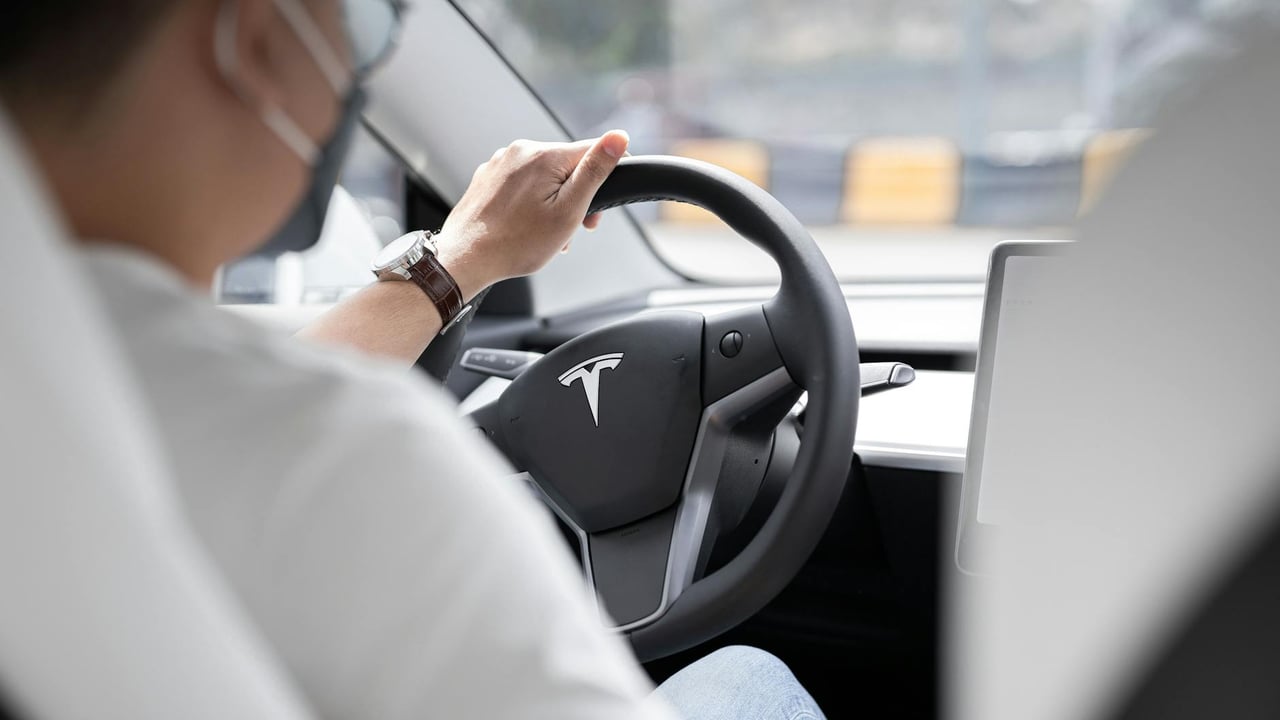
Close-up photo of a person driving a Tesla, showcasing modern vehicle interior design.

Key Takeaways

  • 1Xiaomi officially open-sourced the OneVL autonomous driving model to the global developer community.
  • 2The model utilizes Vision-Language-Action (VLA) architecture for more sophisticated environmental reasoning.
  • 3CEO Lei Jun is positioning the company as an 'open-platform' alternative to Tesla’s proprietary FSD software.
  • 4The release follows a significant talent acquisition drive by Xiaomi to bolster its AI and automotive divisions.
  • 5Xiaomi aims to create an industry-wide ecosystem that standardizes its software across various vehicle platforms.

Editor's
Desk

Strategic Analysis

Xiaomi’s decision to open-source OneVL is a classic 'disruptor' strategy intended to commodity the competition's primary advantage. While Tesla relies on a massive data moat and proprietary algorithms to maintain its lead, Xiaomi is betting that a decentralized, collaborative community can innovate faster and reach a safety consensus sooner. This move essentially invites the global research community to debug and enhance Xiaomi's tech for free, while simultaneously making it much harder for other Chinese rivals to justify their own closed-source R&D costs. Strategically, this places Xiaomi at the center of the 'Software-Defined Vehicle' era, potentially transforming them from a mere car manufacturer into the primary architect of the autonomous driving infrastructure in the Global South and beyond.

China Daily Brief Editorial
Strategic Insight
China Daily Brief

Xiaomi has officially announced the release and open-sourcing of its proprietary autonomous driving model, Xiaomi OneVL. This strategic move, spearheaded by CEO Lei Jun, marks a significant shift in the competitive landscape of the global electric vehicle (EV) market. By making the source code available, Xiaomi aims to accelerate the development of vision-language-action (VLA) models within the industry, positioning itself as a collaborative leader rather than a proprietary gatekeeper.

The OneVL model represents the next generation of 'End-to-End' autonomous driving, moving beyond simple object detection to advanced scene understanding and reasoning. This approach mimics human-like decision-making by integrating visual perception with linguistic context, allowing vehicles to navigate complex urban environments with greater nuance. Analysts view this release as a direct challenge to Tesla’s closed-ecosystem Full Self-Driving (FSD) technology, which remains a black box to outside developers.

Xiaomi’s rapid ascent in the automotive sector has been fueled by a massive influx of technical talent, including high-profile hires like AI researcher Luo Fuli. The company has leveraged its expertise in consumer electronics and software to collapse the traditional development timelines of legacy automakers. With the SU7 sedan already achieving strong sales, the introduction of OneVL serves to cement the brand's reputation for high-tech innovation and software-defined mobility.

Open-sourcing such a critical piece of technology is also a calculated maneuver to set industry standards. By encouraging other manufacturers and researchers to build upon the OneVL framework, Xiaomi ensures that its architecture becomes the foundational 'operating system' for future autonomous platforms. This strategy mirrors the success of Android in the smartphone era, potentially creating a sprawling ecosystem that isolates rivals who insist on maintaining expensive, siloed software stacks.

Share Article

Related Articles

📰
No related articles found