
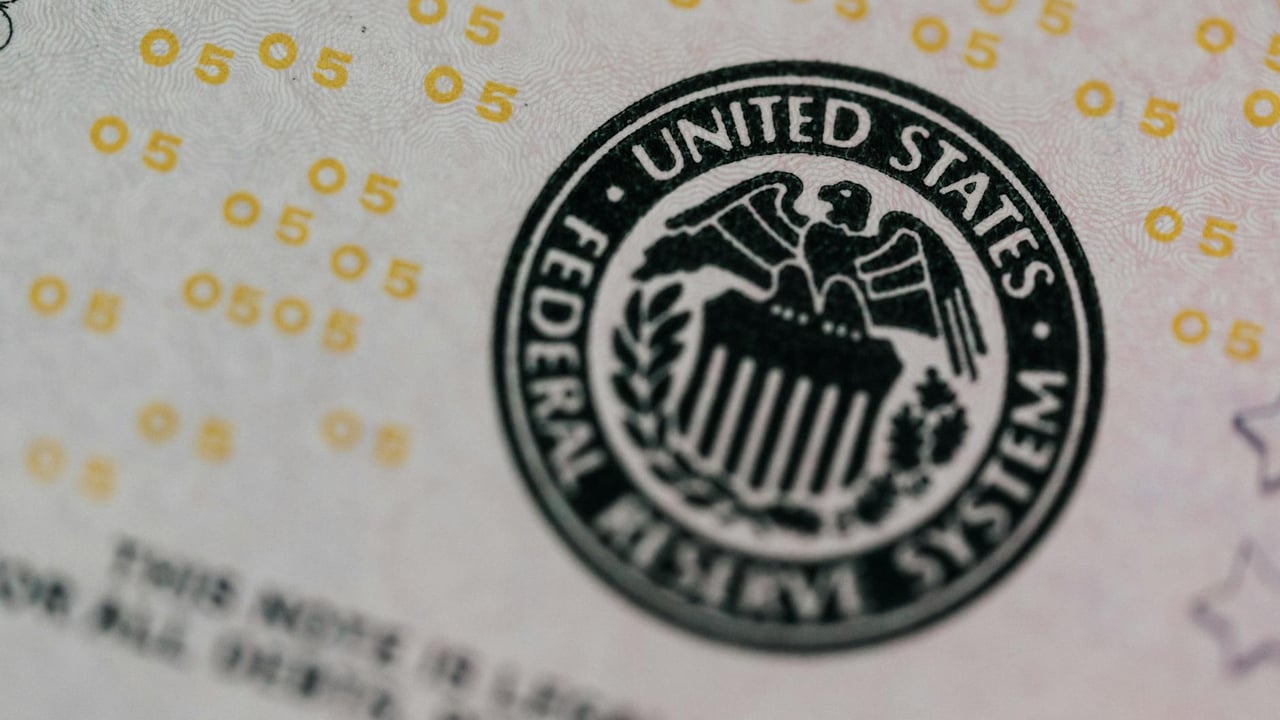

The transition of power at the world’s most influential central bank has taken a dramatic and highly political turn. Following a narrow 54-45 Senate vote, Kevin Warsh has been confirmed as the next Chair of the Federal Reserve, succeeding Jerome Powell. This shift marks not just a change in leadership, but a potential dismantling of the 'transparency era' that has defined the Fed for over three decades.
In an unprecedented move that breaks a 75-year tradition, Jerome Powell has announced he will remain as a member of the Board of Governors despite his term as Chair ending on May 15. This 'stay-behind' strategy is widely interpreted as a defensive maneuver to protect the institution's independence. By retaining his seat until 2028, Powell aims to provide a counterweight to Warsh’s proposed radical reforms and perceived alignment with the White House.
Kevin Warsh, a former Fed governor with deep ties to the Trump inner circle, has signaled a desire to aggressively roll back the communication norms established by his predecessors. His agenda includes the elimination of the 'dot plot' interest rate projections, the curbing of forward guidance, and even the potential cancellation of post-meeting press conferences. Warsh argues that the Fed’s 'over-communication' has made markets overly dependent on central bank 'spoilers' rather than fundamental economic signals.
Warsh’s ideological journey has been a point of contention for market analysts. Once a staunch advocate for free trade, he has pivoted toward Donald Trump’s protectionist tariff policies and has publicly criticized the Fed for keeping interest rates 'unacceptably high.' This alignment is further solidified by his family ties; Warsh is married to the heiress of the Estée Lauder empire, whose father, Ronald Lauder, is a lifelong friend and influential advisor to the President.
However, the new Chair faces an immediate and formidable challenge that may thwart his pro-growth mandate. The ongoing conflict between Israel and Iran has sent global oil prices surging, reigniting inflationary pressures just as Warsh takes office. With the Fed already deeply divided—evidenced by a recent 8-4 vote against rate cuts—the prospect of monetary easing in 2026 is rapidly vanishing. Some analysts even suggest that if energy costs remain high, the next move under Warsh could be an interest rate hike rather than a cut.