
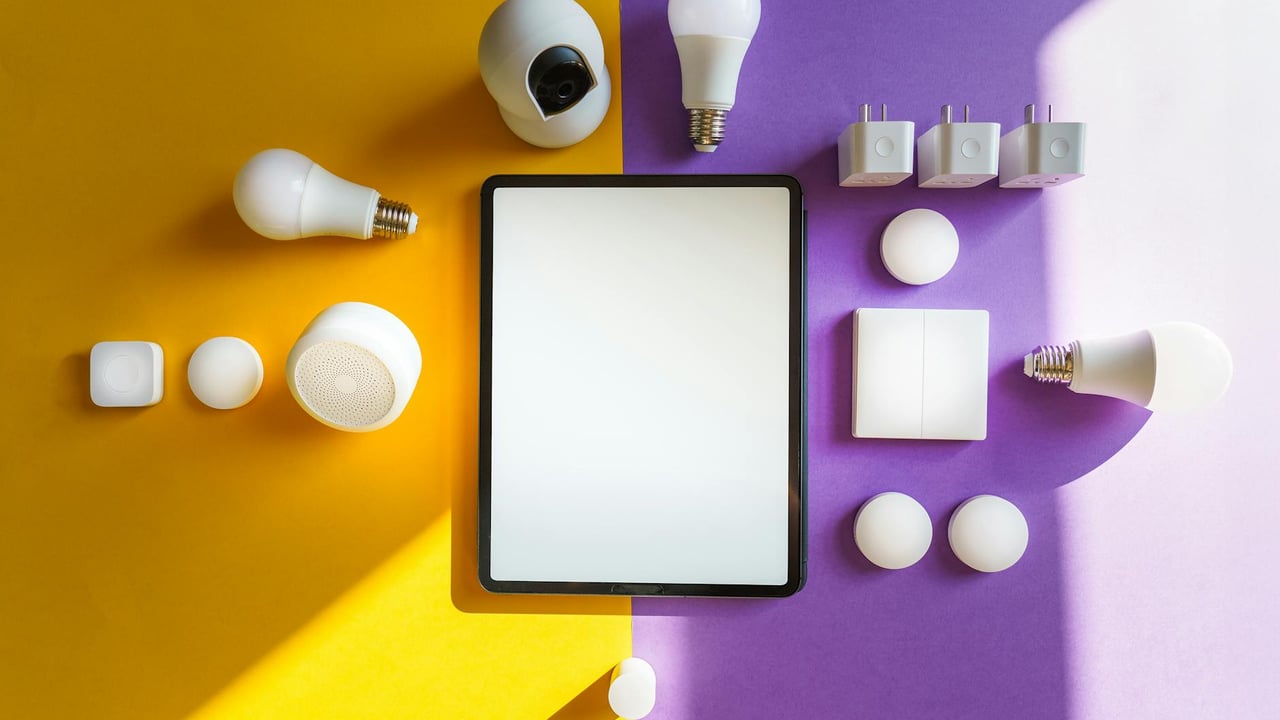

In the latest 2026 Kantar BrandZ Most Valuable Global Brands report, a familiar name has once again defied the traditional boundaries of the manufacturing sector. Haier, the Chinese industrial giant, has secured its place in the top 100 for the eighth consecutive year, uniquely classified as the world’s only 'IoT Ecosystem' brand. Climbing to 53rd place with a brand value exceeding $52.9 billion, the company’s trajectory reflects a profound shift from a hardware manufacturer to a high-tech platform provider.
This rise comes at a time when the global economic environment remains fraught with complexity. Despite these headwinds, the top 100 global brands saw a collective 22% increase in value, reaching $13.1 trillion. Within this competitive field, Chinese brands have demonstrated remarkable resilience, with their average brand value growing by 32%. Haier’s specific growth—rising from 89th place in 2019 to its current position—is underpinned by a strategy that prioritizes interconnected services over standalone product sales.
The firm’s financial performance provides the necessary foundation for this brand equity. In 2025, Haier reported a global revenue of 426.8 billion RMB, a 6.3% year-on-year increase, while profits rose by 6.7% to 32.2 billion RMB. Chairman and CEO Zhou Yunjie has consistently argued that modern competitiveness is no longer a matter of individual corporate strength but rather the 'tension' and reach of a company's broader ecosystem.
To realize this vision, Haier has restructured its operations into six distinct industrial ecosystems. While 'Smart Home' remains the core business, the company has aggressively expanded into healthcare through its Yingkang Lifesing brand and into the automotive sector via the digital platform Autohome. Supporting these are the 'infrastructure' arms of the business: digital economy platforms like COSMOPlat, robotics, and new energy solutions designed to facilitate zero-carbon transitions for industrial clients.
Haier’s global footprint is equally telling of its 'brand-out' rather than just 'product-out' strategy. Avoiding the common pitfall of original equipment manufacturing (OEM) for foreign labels, the company has insisted on building its own brand identity in over 200 countries. It currently holds the top market share for major appliances in eight nations, including the United States and Thailand, while successfully exporting its smart city and biotech infrastructure to projects as far-flung as Panama and the United Kingdom.
Looking forward, the next frontier for the group is the total integration of artificial intelligence. Labeling 2025 as its 'AI Application Year,' Haier aims to become a fully 'AI-native organization' by 2026. By embedding AI into every operational link—from supply chain logistics to consumer-facing smart home assistants—the company intends to create a barrier of entry that traditional manufacturers will find increasingly difficult to breach.