
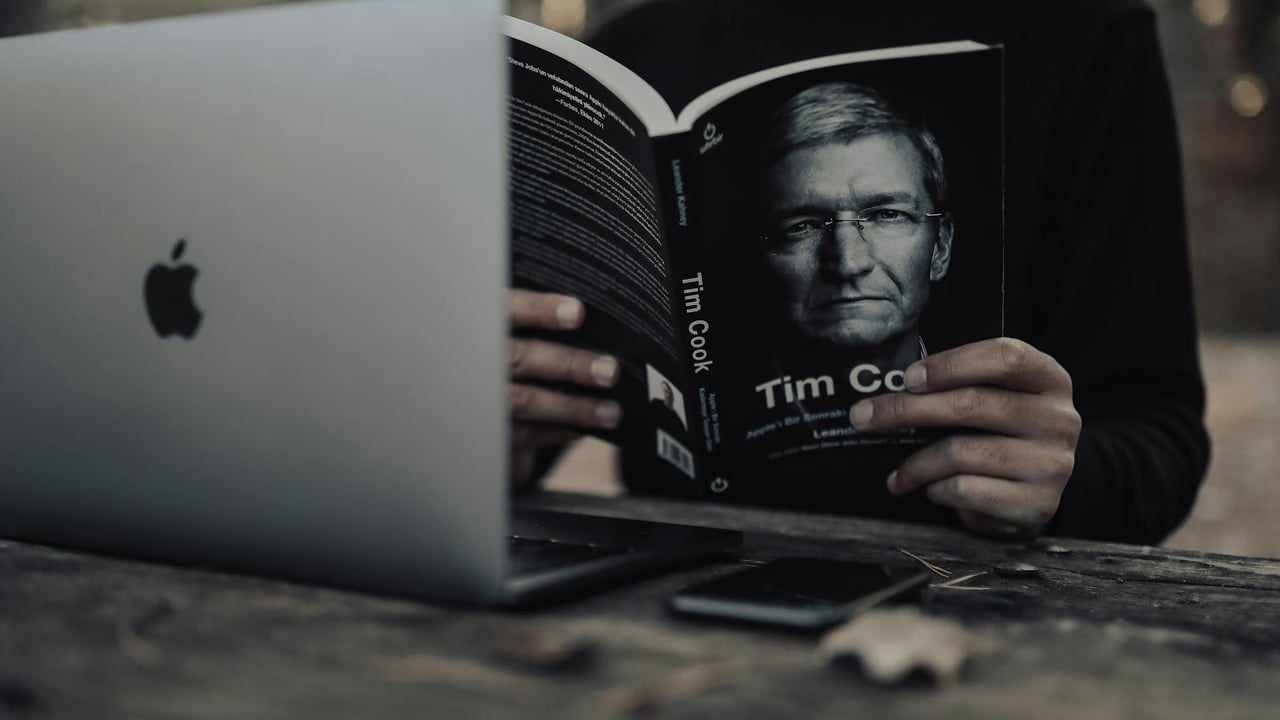

As high-level discussions between Washington and Beijing unfolded in mid-2026, Apple CEO Tim Cook emerged as a central figure in the delicate dance of corporate diplomacy. Describing the atmosphere of the latest US-China meetings as "great," Cook's public endorsement serves as a significant bellwether for the tech industry's navigation of geopolitical turbulence. His presence at such high-stakes events underscores the unique role that multinational corporations continue to play in maintaining a bridge between the world's two largest economies.
For Apple, the stability of the US-China relationship remains an existential priority. Despite efforts to diversify manufacturing into regions like India and Vietnam, the company remains deeply tethered to China’s sophisticated supply chain and its vast consumer market. Cook’s positive appraisal of the talks is likely a calculated move to reassure investors that the risks of abrupt decoupling are being managed, even as technological competition between the two nations intensifies.
Beijing, for its part, views Cook as a vital interlocutor—a symbol of the "old friends" of China who can advocate for pragmatic engagement over ideological confrontation. By providing a platform for such high-profile American executives, the Chinese leadership signals its continued openness to foreign investment, even while tightening its regulatory grip on the digital economy. The optics of a smiling Tim Cook at a bilateral summit provide a rare moment of perceived stability in an otherwise friction-filled relationship.
However, the optimism voiced by corporate leaders often masks a more complex reality on the ground. While the "scene" at the summit may be described as positive, the underlying structural issues—ranging from semiconductor export controls to data security protocols—remain largely unresolved. Cook’s role as a de facto diplomat highlights the increasing pressure on global CEOs to balance the demands of national security interests in Washington with the necessity of operational continuity in China.