
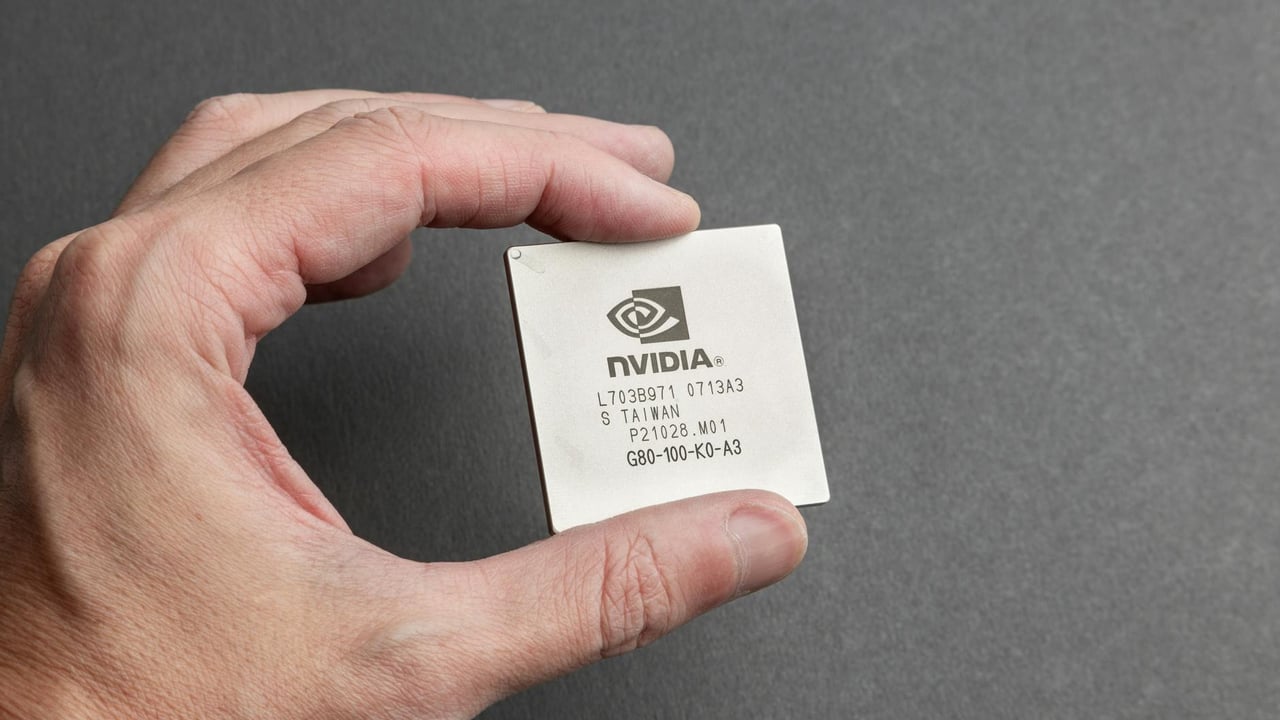

In a development that highlights the immense difficulty of policing global semiconductor supply chains, NVIDIA’s high-end H200 Tensor Core GPUs have reportedly appeared for sale on JD.com, one of China’s largest e-commerce platforms. Customer service representatives for the listings have reportedly confirmed that the hardware is available for purchase, a claim that directly challenges the stringent export controls imposed by the United States government designed to bottleneck China’s artificial intelligence capabilities.
The H200 represents the cutting edge of AI infrastructure, offering significant performance leaps over the H100 in handling massive datasets and training large language models. Under current U.S. Department of Commerce regulations, the export of such high-performance silicon to China is strictly prohibited without a specific license, which is rarely granted for top-tier AI hardware. The appearance of these chips on a mainstream retail site suggests a porousness in the distribution network that likely involves third-party distributors or 'grey market' channels.
NVIDIA has previously attempted to navigate these geopolitical waters by producing 'China-specific' versions of its chips, such as the H20, which are down-specced to fall just below the performance thresholds set by U.S. regulators. However, the appetite among Chinese tech giants and AI startups for full-powered hardware remains insatiable. The presence of the H200 on JD.com, even if sold through third-party vendors rather than official flagship stores, underscores the premium that Chinese firms are willing to pay to bypass trade barriers.
This incident places Chinese e-commerce giants in a delicate position as they balance domestic demand with international regulatory scrutiny. While platforms like JD.com often host thousands of independent merchants, the sale of sanctioned high-tech goods could invite secondary sanctions or further tighten the regulatory noose around the Chinese tech sector. For NVIDIA, it serves as a reminder that once hardware enters the global logistics stream, maintaining total control over its final destination is an increasingly Herculean task.