

For decades, Lotus Holdings was synonymous with the white crystals of monosodium glutamate (MSG) that graced every Chinese dinner table. Once the undisputed leader with a 43% market share, the company became a relic of a bygone industrial era, struggling against health-related stigmas and stagnant growth. Today, however, the 'MSG King' is undergoing a metamorphosis that mirrors the broader shift in China’s economy, swapping flavor enhancers for high-performance computing.
The recent overhaul of the board of directors marks the final act in a years-long takeover by Guohou Asset Management, a private distressed-asset specialist. Since entering the fray in 2019, Guohou has navigated a delicate transition, initially retaining the 'Lotus old guard' to ensure operational stability. That period of compromise is now over. The new management team, with an average age of just 47, represents a total consolidation of power by Guohou, replacing a legacy bureaucracy with a streamlined CXO-led vertical management structure.
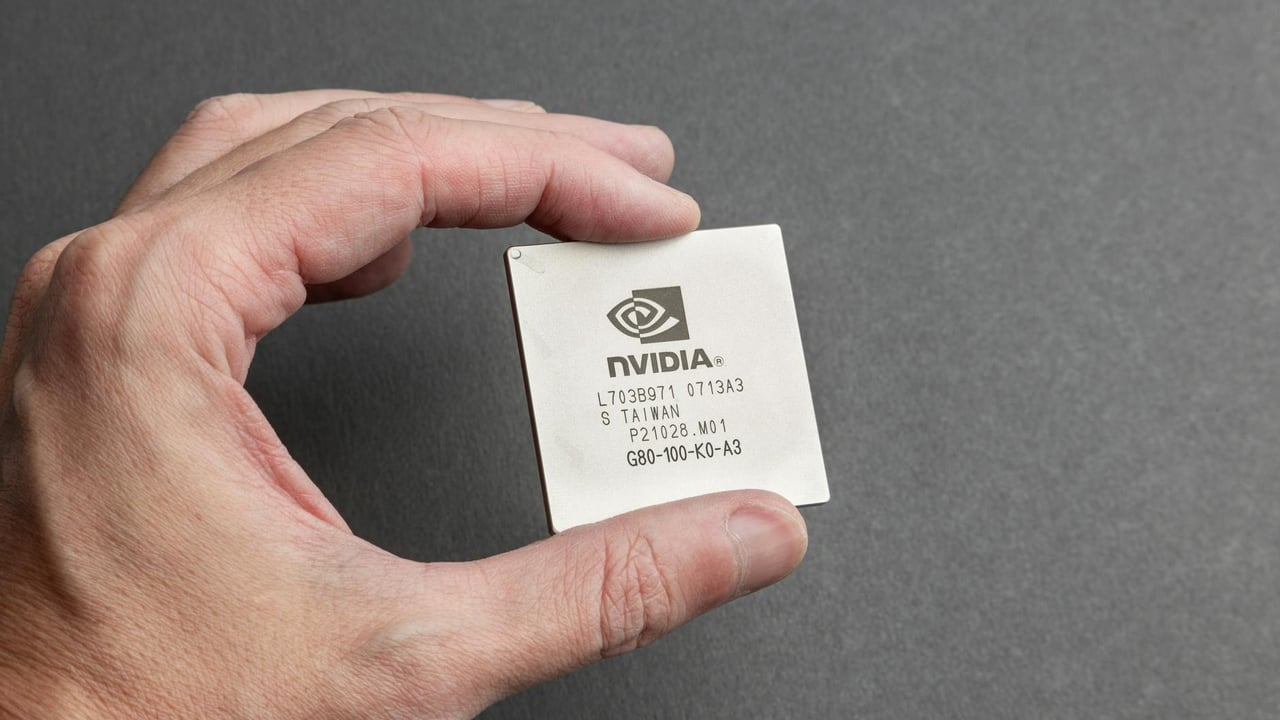
This personnel 'blood transfusion' is the catalyst for a daring dual-engine strategy. While Lotus continues to expand its condiment footprint into soy sauce and health-conscious seasonings, its future is increasingly tied to the silicon wafer. The company’s foray into AI computing services, launched in late 2023, has begun to bear fruit. By the close of 2025, revenue from computing services reached 122 million yuan, a significant jump that suggests the company is successfully monetizing the massive demand for domestic processing power.
The pivot was born out of necessity rather than mere curiosity. While competitors like Meihua Biological expanded into amino acids and animal nutrition, Lotus remained tethered to the saturated MSG market for too long. Previous attempts to diversify, including a failed high-premium acquisition of a self-heating food brand, signaled a company in search of a soul. The shift to AI, spearheaded by Guohou’s capital-market savvy, offers a higher-margin escape route from the razor-thin returns of the food processing industry.
Financially, the transformation is starting to show in the bottom line. In 2025, the company reported revenue of 3.45 billion yuan, a 30% year-on-year increase, with net profits surging over 50%. While the AI business remains in its early stages and carries heavy capital expenditure burdens, the market is beginning to price in Lotus not as a legacy food brand, but as a diversified tech-adjacent player. For Guohou, Lotus has become the flagship for their 'renovation' model—taking a distressed state-linked giant and dragging it into the 21st century.