
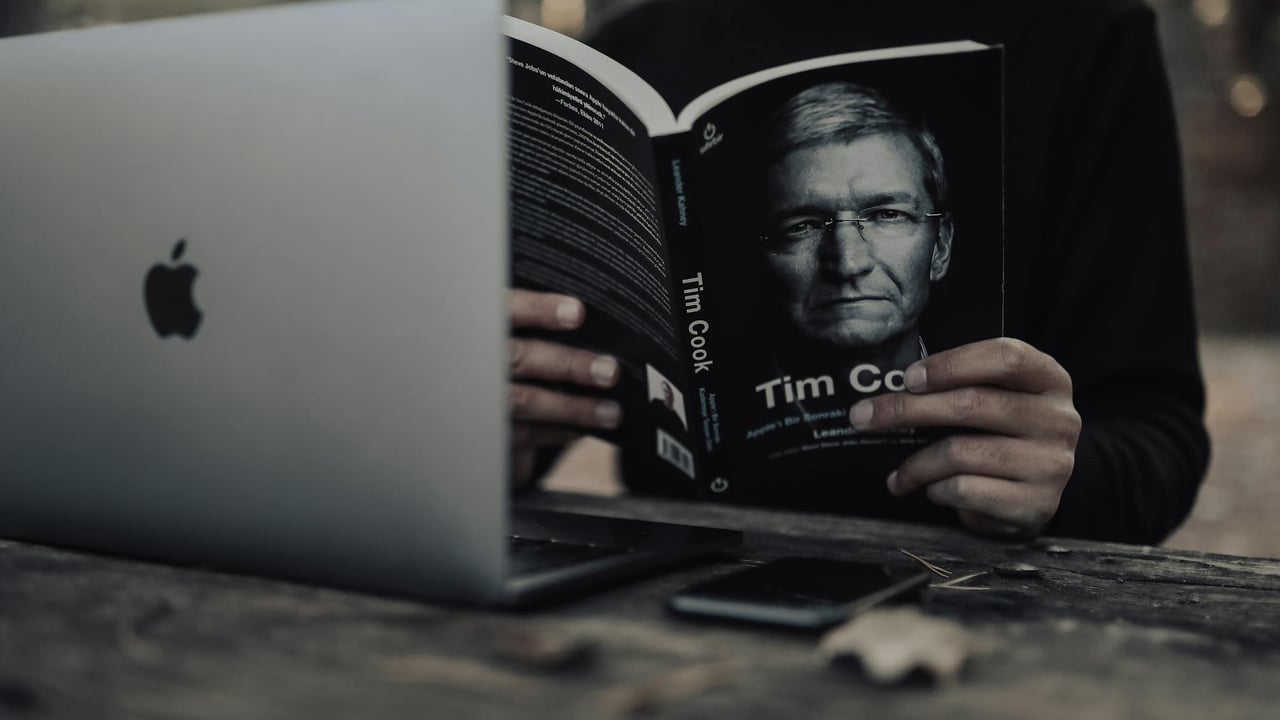

As high-level discussions between Washington and Beijing continue to navigate the complexities of global trade, Apple CEO Tim Cook has emerged as a rare voice of optimism. During a recent summit in Beijing, Cook characterized the atmosphere of the latest US-China talks as 'great,' a sentiment that resonates deeply within a global tech industry currently caught between two superpowers. His presence at the heart of these diplomatic maneuvers underscores the enduring role of American multinational corporations as the 'ballast' in an otherwise turbulent geopolitical sea.
For Apple, these meetings are far more than a ceremonial duty; they are a fundamental part of a survival strategy. Despite years of rhetoric regarding 'decoupling' and the diversification of assembly lines to India and Vietnam, the vast majority of Apple’s premium hardware continues to rely on China’s sophisticated manufacturing ecosystem. Cook’s positive assessment suggests that, at least for the moment, the regulatory and political risks that have plagued tech giants may be entering a more predictable, if not more collaborative, phase.
This display of corporate diplomacy comes at a critical juncture where economic security has often overridden market access. By publicly praising the 'vibe' of the meetings, Cook is not just reporting on a conversation; he is signaling to global markets that China remains 'open for business' for American high-tech interests. This creates a feedback loop that allows both governments to showcase successful engagement without appearing to compromise on core national security interests.
However, the warmth of the room should not be mistaken for a permanent resolution of deeper structural tensions. While the 'scene' may be positive, the underlying competition over semiconductor dominance, data privacy, and AI governance continues to simmer. Cook’s optimistic rhetoric acts as a necessary lubricant for the friction of trade, ensuring that the supply chains powering the global digital economy remain intact while political leaders negotiate the finer points of the next world order.