

Chinese Premier Li Qiang has signaled a decisive shift in the nation’s developmental trajectory, chairing a State Council executive meeting that approved the blueprints for urban and rural modernization under the upcoming 15th Five-Year Plan (2026–2030). The meeting marks a critical juncture for Beijing as it prepares to transition from decades of rapid, debt-fueled expansion toward a model focused on sustainability, demographic resilience, and social equity. This pivot reflects an acknowledgment that the traditional drivers of Chinese growth require radical recalibration to meet the goals of 'Chinese-style modernization' by 2035.
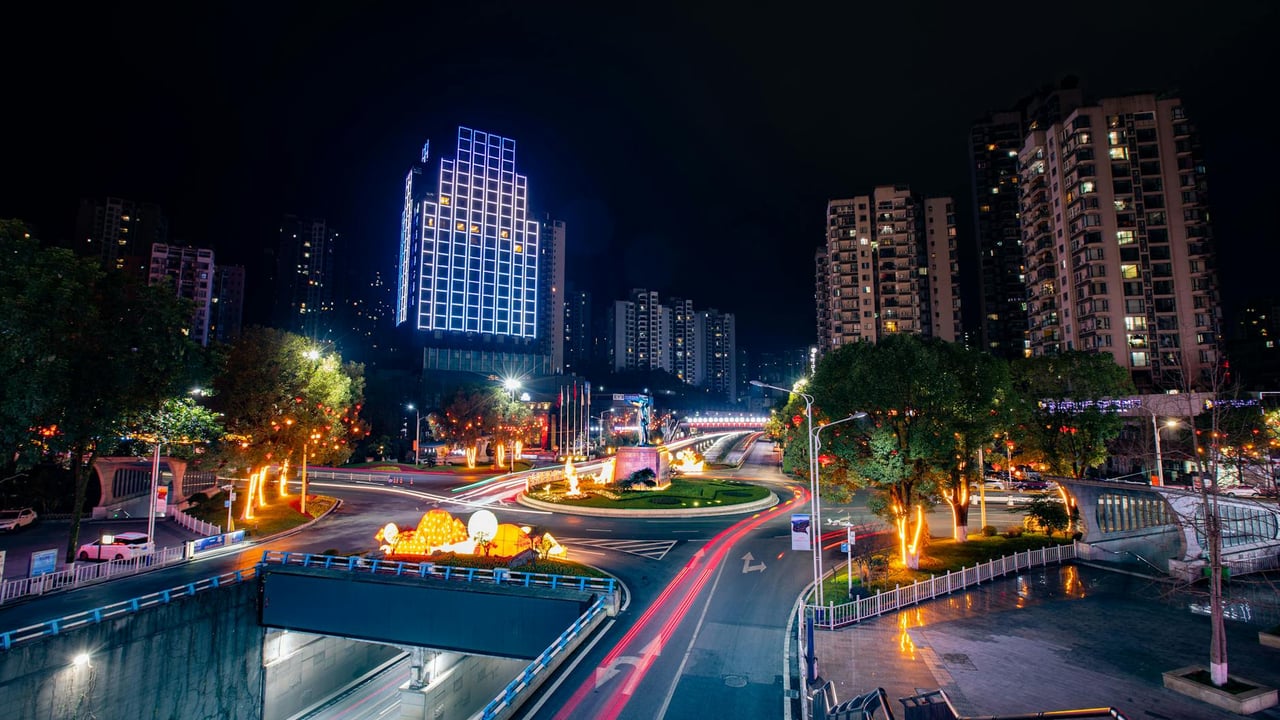
Central to the new strategy is a fundamental rethink of China’s massive urban landscape. The State Council noted that the era of large-scale expansion has concluded, and the focus must now shift to 'stock quality'—the renovation and optimization of existing urban infrastructure. By prioritizing 'innovative, livable, and resilient' cities, Beijing aims to squeeze more productivity out of its current assets rather than breaking new ground. This urban renewal program is intended to boost local economies while simultaneously addressing the environmental and safety concerns that have plagued China’s rapid urbanization.
Demographic challenges featured prominently on the agenda, with the leadership calling for the 'high-quality development' of the population. In a move to combat record-low birth rates and a rapidly aging society, the State Council urged the creation of a 'birth-friendly society' through enhanced childcare services and family support systems. Simultaneously, the government is betting on the 'silver economy' as a new growth engine, seeking to transform the burden of an aging population into a viable market for services and social security innovations.
Education and rural modernization round out the 15th Five-Year Plan's pillars. Premier Li emphasized narrowing the gap between urban and rural resources, specifically addressing the plight of 'left-behind' children and the children of migrant workers. By decoupling land supply and fiscal transfers from rigid administrative boundaries and instead 'hooking' them to actual population shifts, Beijing is finally acknowledging the reality of internal migration. This systemic reform aims to ensure that public services follow the people, potentially unlocking new levels of human capital across the country's diverse regions.