
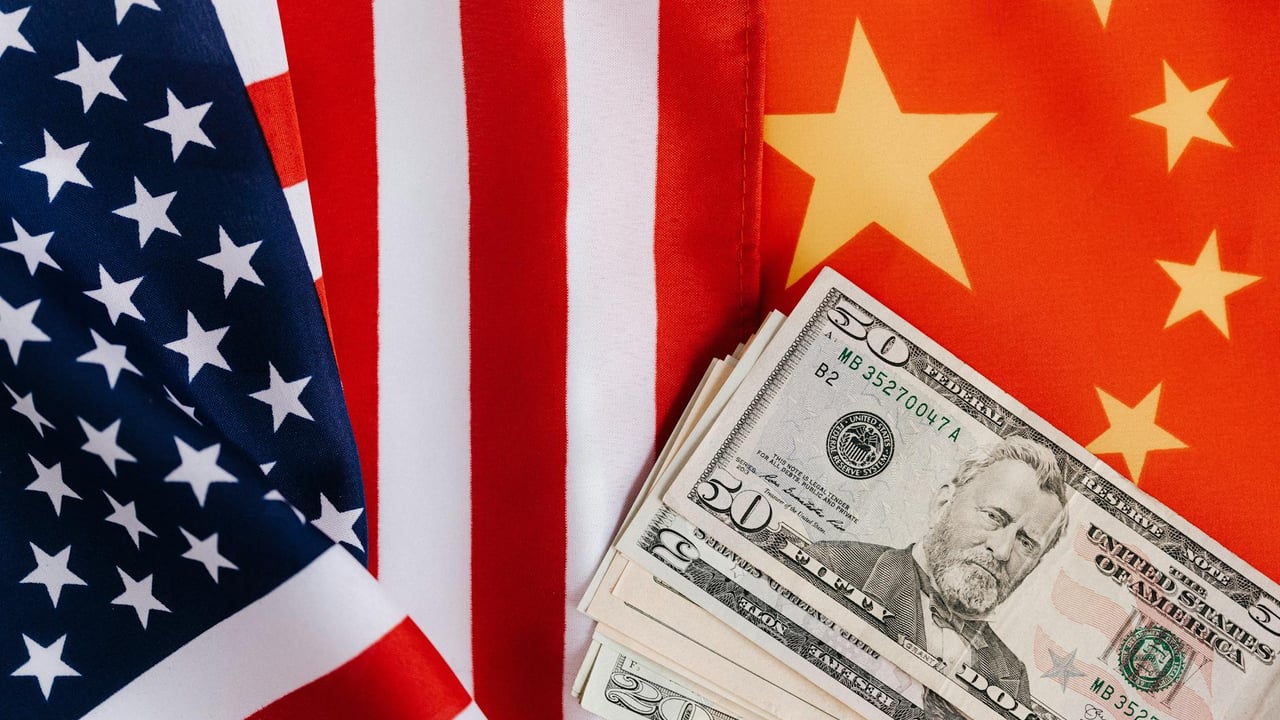

In an unusual display of diplomatic agility, Beijing appears to be tailoring its rhetoric to resonate with the specific domestic political narratives of Donald Trump. During a routine press briefing on May 15, 2026, Chinese Foreign Ministry spokesperson Guo Jiakun responded to social media posts regarding China’s perception of American power. The exchange highlights a calculated attempt by the Chinese leadership to manage a complex relationship through personal validation rather than purely institutional friction.
Trump’s assertion—that Beijing’s critiques of the "declining" United States were aimed specifically at the Biden administration and not his own—met with a surprisingly conciliatory response. By explicitly acknowledging the "Make America Great Again" slogan and crediting Trump with "important development achievements," Beijing is signaling a willingness to bypass traditional ideological barriers. This shift favors a transactional, leader-to-leader rapport that focuses on national prestige over systemic competition.
This rhetorical pivot suggests a strategic recalibration by the Chinese Communist Party. Rather than engaging in a blanket dismissal of American influence, Beijing is leveraging the current political climate to create a framework for "mutual rejuvenation." By placing Xi Jinping’s "Great Rejuvenation of the Chinese Nation" on a parallel track with Trump’s platform, the spokesperson is framing the bilateral relationship as a race between two giants who can coexist through pragmatism.
However, the subtext of this diplomacy is far from purely cooperative. By validating a specific critique of past American governance, Beijing effectively intervenes in the American internal debate, reinforcing a narrative of Western fracture. This positioning allows China to maintain its long-term stance on American structural decline while keeping the door open for high-level deals that prioritize immediate economic stability over long-term geopolitical confrontation.