
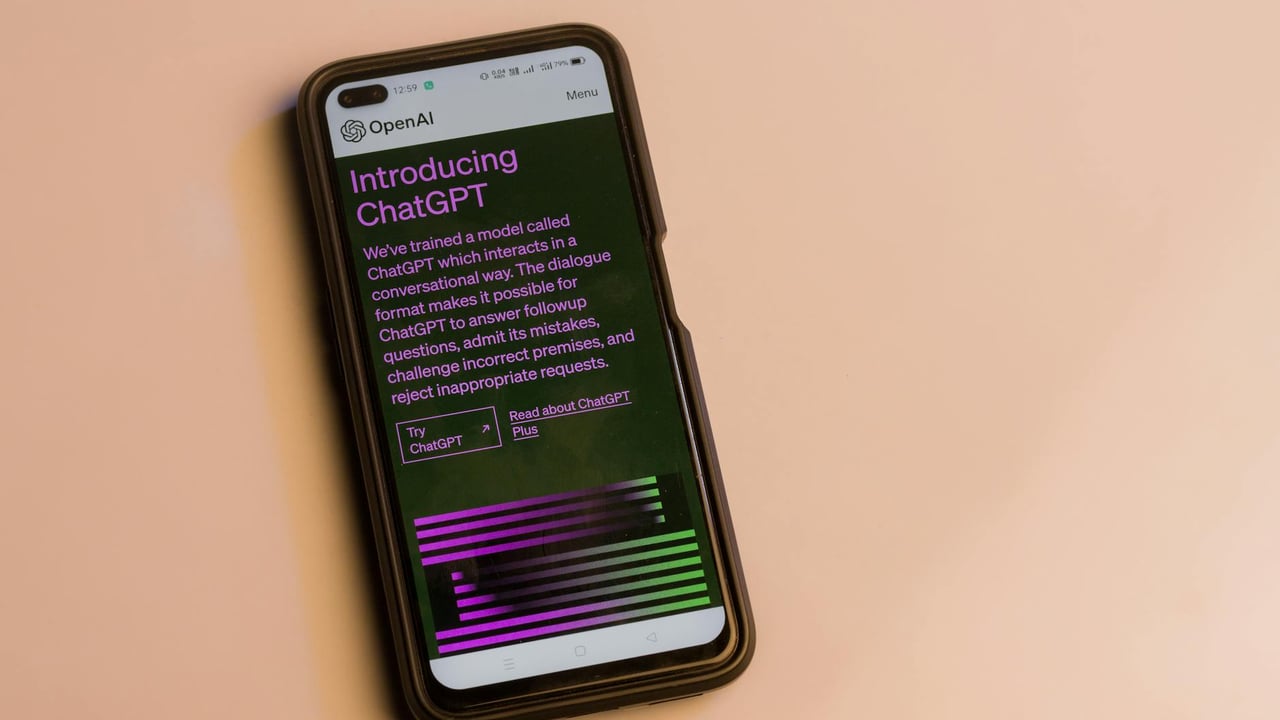

What was heralded in 2024 as a transformative alliance between the pioneer of generative AI and the world's most valuable consumer electronics brand has descended into a mire of legal threats and mutual distrust. Sources within OpenAI report that the company is currently consulting with legal counsel to issue a formal notice of breach of contract to Apple. While a full-scale lawsuit is not yet a certainty, the move marks a dramatic collapse of a partnership that was meant to define the next era of personal computing.
At the heart of the dispute is OpenAI’s deep dissatisfaction with how ChatGPT has been integrated into the Apple ecosystem. OpenAI executives expected a prominent, seamless entry point within Siri that would drive millions of new paid subscriptions. Instead, they find their technology buried deep within system menus, often requiring users to explicitly mention 'ChatGPT' to trigger its functions. Internal data suggests that most iPhone users still prefer the standalone ChatGPT app over the diluted experience offered through iOS.
Financial projections have also fallen catastrophically short of expectations. OpenAI initially estimated the partnership would generate billions in annual subscription revenue, but the restrictive nature of Apple's implementation has throttled growth. This failure is particularly stinging for OpenAI as it navigates a costly legal battle with Elon Musk and renegotiates its exclusive deals with Microsoft. The 'walled garden' approach that defines Apple has, in this instance, become a barrier to OpenAI’s scaling ambitions.
Compounding these tensions is OpenAI’s aggressive pivot into hardware—a move Apple views as an act of industrial espionage. Under the leadership of Sam Altman, OpenAI has recruited a 'dream team' of former Apple designers and engineers, including Jony Ive and Tang Tan, to develop an AI-centric device intended to eventually challenge the iPhone. Apple’s management is reportedly incensed by the aggressive headhunting, which has seen OpenAI lure away top talent with multi-million dollar equity packages.
Apple is already preparing for a future without OpenAI at its center. As iOS 27 approaches, Cupertino is opening its system interfaces to include competitors like Google’s Gemini and Anthropic’s Claude. By commoditizing AI providers, Apple is asserting its traditional dominance, treating LLMs as replaceable plugins rather than strategic partners. For OpenAI, the realization is setting in that they may have provided the 'brain' for Apple’s AI transition only to be discarded once the incumbent secured its own path forward.