Beijing’s AI Diplomacy: Positioning as the Voice of the Global South

China is advocating for an inclusive and open approach to global AI governance, positioning itself as a champion for the Global South against Western-led tech restrictions. This diplomatic push seeks to frame AI access as a universal right rather than a strategic weapon controlled by a few nations.

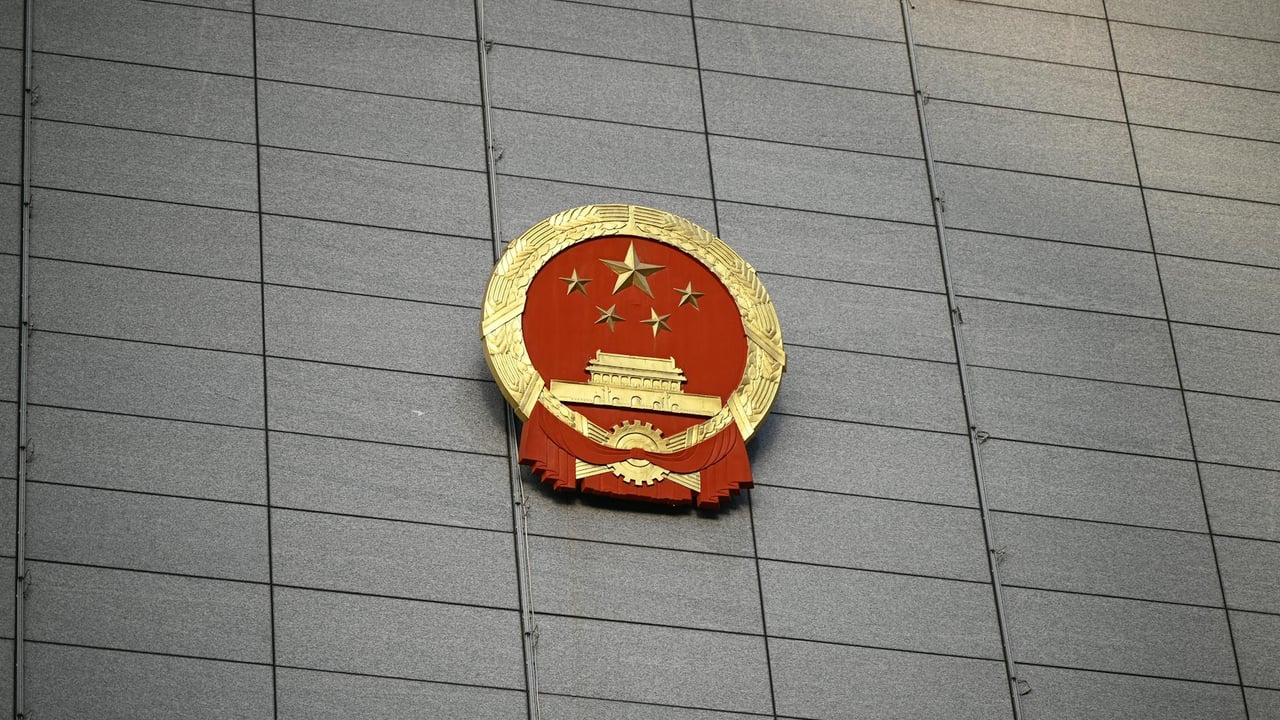
Close-up of the Chinese national emblem on a large concrete building facade, symbolizing government presence.

Key Takeaways

  • 1The Chinese Foreign Ministry emphasizes 'openness, inclusivity, and universal benefit' as core tenets of AI development.
  • 2Beijing is positioning itself as a defender of technological access for developing nations to counter Western export controls.
  • 3The rhetoric serves as a strategic critique of US-led 'de-risking' and chip-sector containment policies.
  • 4China aims to lead the establishment of global AI standards that accommodate diverse political and social systems.

Editor's
Desk

Strategic Analysis

Beijing’s 'AI for good' diplomacy is less about altruism and more about institutionalizing a multilateral alternative to the US-led technological order. By framing the AI debate as a choice between 'inclusivity' (represented by China) and 'containment' (represented by the US), China is actively courting the Global South, where the need for affordable, accessible infrastructure often outweighs concerns over algorithmic transparency or human rights. This represents a sophisticated shift in strategy: China is no longer just catching up in technology; it is attempting to rewrite the social contract of the digital age to ensure that its state-centric model remains globally viable and immune to Western sanctions.

China Daily Brief Editorial
Strategic Insight
China Daily Brief

China has once again signaled its desire to position itself as a central architect of global artificial intelligence governance. Through a series of official statements, the Ministry of Foreign Affairs emphasized a vision of "AI for good," calling for an international framework rooted in openness and inclusivity. This rhetoric comes at a critical juncture as the digital divide between the tech-heavy Global North and the developing world continues to widen.

While the United States and its allies focus heavily on safety protocols and security risks, China is pivoting toward the concept of "universal benefit." By championing the rights of developing nations to access and benefit from AI, Beijing is effectively challenging the current trend of technology containment and export controls. This strategy aims to ensure that the AI revolution does not become a closed-loop system dominated by a handful of Western firms.

The emphasis on "openness" serves as a direct critique of the "small yard, high fence" strategy employed by Washington to limit China's access to high-end semiconductors. China’s diplomatic corps is framing these restrictions not just as a bilateral trade issue, but as a broader obstacle to global progress. They argue that monopolistic practices in AI development could lead to a permanent technological underclass, thereby destabilizing the global order.

However, the "AI for good" mantra is also a defensive measure intended to mitigate international concerns over China's own use of the technology. By participating in—and attempting to lead—discussions on ethical AI, Beijing seeks to normalize its domestic governance models. This dual-track approach allows China to both promote technological diffusion and assert its right to define what "responsible" AI looks like within its borders.

Share Article

Related Articles

📰
No related articles found