
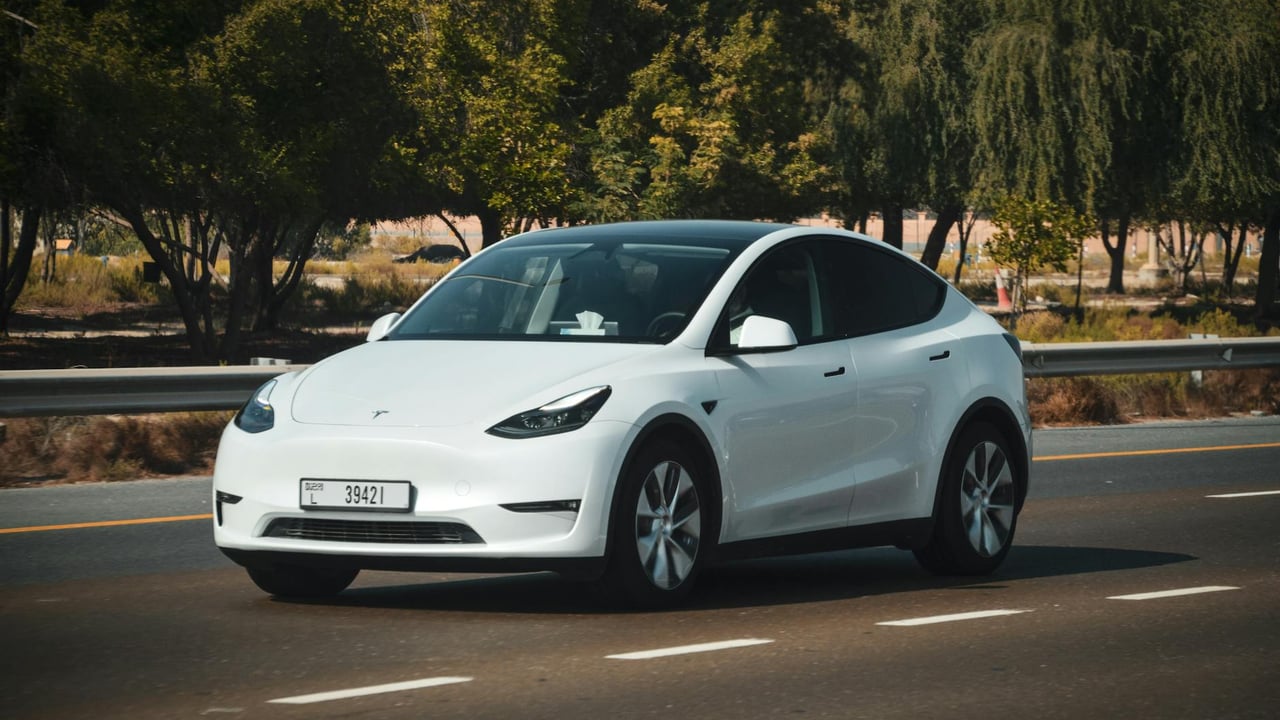

Tesla has implemented its first price increase for the Model Y in the United States in two years, a move that marks a notable departure from the aggressive discounting strategy that characterized much of 2023 and 2024. The adjustments target the mid-to-high-end configurations of the world’s best-selling electric vehicle, while leaving the entry-level model’s price untouched. This selective pricing suggests Tesla is carefully segmenting its customer base, protecting the appeal for budget-conscious buyers while extracting more value from those seeking premium performance.
Specifically, the Model Y Long Range All-Wheel Drive and the Rear-Wheel Drive versions saw a $1,000 increase, bringing their prices to $49,990 and $45,990, respectively. Meanwhile, the Performance trim received a more modest $500 bump to $57,990. By reversing course on pricing, Elon Musk’s firm may be signaling to both competitors and shareholders that the period of prioritizing market share at the expense of profit margins is beginning to ease.
This shift comes at a critical juncture for the electric vehicle industry, which has been locked in a brutal race to the bottom led by Tesla’s own previous price cuts. Observers note that while the price increase is currently limited to the U.S. market, it often serves as a bellwether for global trends. With Chinese rivals like BYD and newcomers like Xiaomi also adjusting their pricing structures, the industry may be entering a more mature phase focused on sustainable growth.
Furthermore, the timing of this increase coincides with advancements in Tesla's manufacturing capabilities, including new machinery at its Texas plant designed to significantly reduce production time. By balancing higher prices with increased efficiency, Tesla aims to solidify its financial position. This strategy reflects a broader trend among major EV players who are now grappling with the reality of slowing demand growth and the need for healthier balance sheets.