
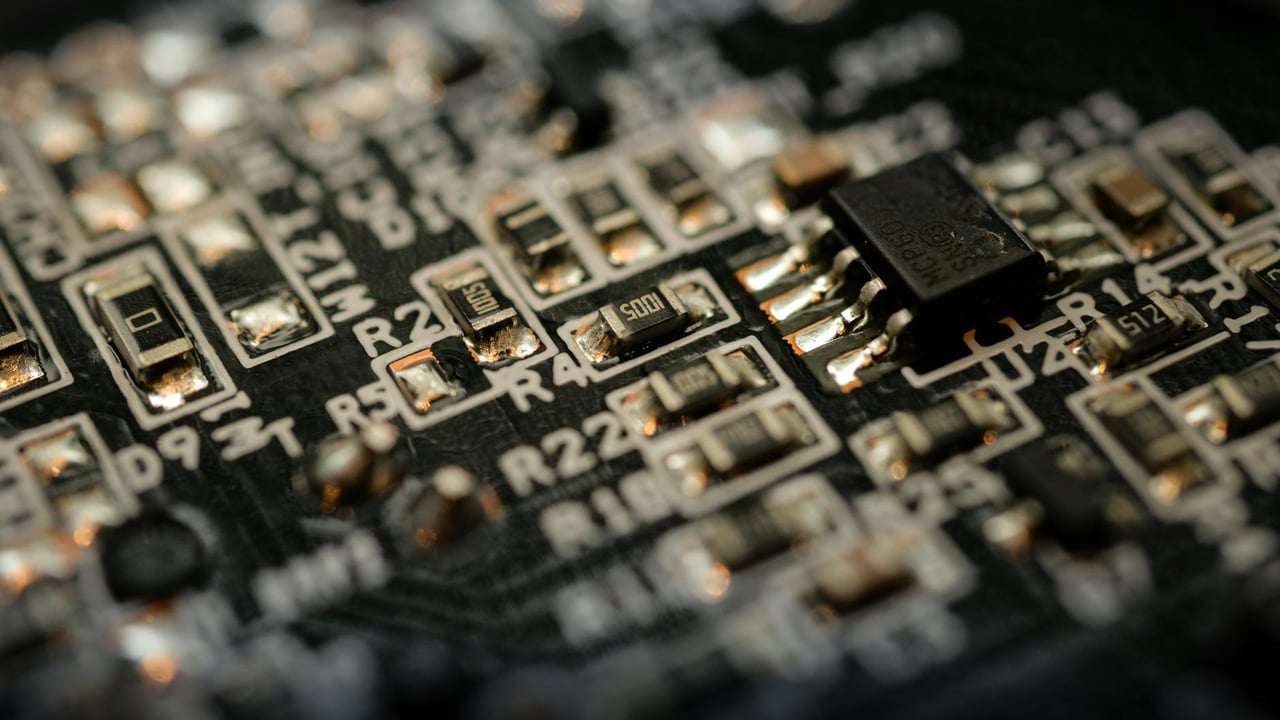

A significant shift is underway in the Chinese consumer electronics landscape as the era of aggressive pricing gives way to a high-end arms race. Xiaomi President Lu Weibing recently signaled that domestic flagship smartphones could soon break the 10,000 RMB ($1,400) price barrier, a psychological and economic threshold previously reserved for Apple and foldable niche devices. This upward pressure is largely driven by a relentless surge in memory costs, a trend Lu expects to persist through 2027, forcing manufacturers to choose between eroding margins or passing costs to consumers.
While hardware costs climb, the underlying semiconductor industry is grappling with its own transition toward self-reliance. Richard Chang, the founder of SMIC, recently emphasized that domestic equipment adoption is a marathon rather than a sprint, requiring a tolerance for risk and a long-term commitment from manufacturers. The narrative is shifting from merely producing chips to building a resilient domestic ecosystem where companies like AMEC are given the 'trial and error' space necessary to compete with global incumbents.
External supply chain pressures are being further exacerbated by labor instability at global giants. Samsung Electronics is currently facing a historic labor dispute, with Chairman Lee Jae-yong issuing a rare public apology as over 40,000 employees prepare for a potential 18-day strike. Such a disruption in South Korea could ripple through the global semiconductor market, potentially causing losses estimated at 40 trillion won and further tightening the supply of critical components like DDR4 memory, which has already seen localized price spikes.
Amidst these hardware and supply challenges, China’s state-owned telecommunications giants are pivoting toward the service economy of the future: artificial intelligence. Shanghai Telecom and China Telecom have pioneered 'Token' billing systems, treating AI computing power like a utility similar to data or electricity. By offering standardized API access to dozens of large language models for as little as 1 RMB, these carriers are positioning themselves as the essential infrastructure for the next generation of AI-native software and automation.
Looking toward the next decade, the strategic focus is shifting toward 'integrated sensing, computing, and intelligence.' China Mobile’s roadmap for the 15th Five-Year Plan emphasizes 5G-A, 6G, and satellite internet as the core pillars of national infrastructure. This transition suggests that while the cost of hardware may be rising, the long-term value proposition is moving toward a ubiquitous, AI-driven connectivity layer that spans from the seabed to space.