
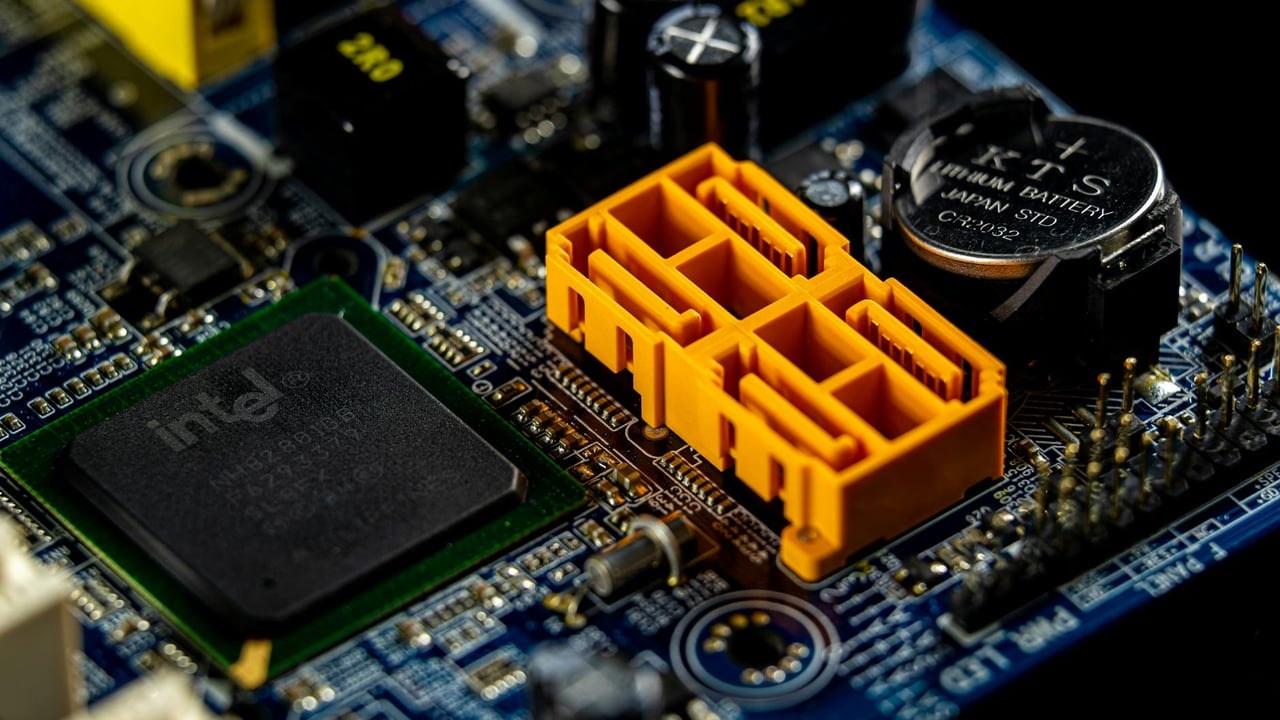

Donald Trump has signaled a aggressive shift in American industrial policy, lamenting that the federal government should have secured a larger stake in Intel Corp. during his administration’s recent intervention. Speaking in a retrospective interview on Monday, the President detailed his negotiations with Intel’s leadership, claiming he should have pushed for more than the 9.9% equity stake the government eventually acquired. The deal, struck in August 2025, essentially traded billions in federal subsidies for a seat at the corporate table.
Under the terms of the landmark agreement, approximately $8.9 billion in government funding was converted into equity. This package included $5.7 billion in grants previously earmarked under the CHIPS Act and an additional $3.2 billion in direct rewards. Since the transaction closed, Intel’s share price has skyrocketed by over 300%, transforming the taxpayer-funded investment into a windfall valued at more than $50 billion. Trump noted that Intel CEO Tan Lip-Bu accepted his initial demand for a 10% 'free' stake so quickly that it left him feeling he had left money on the table.
Intel’s resurgence marks a dramatic pivot from its previous struggles to match the technological lead of Taiwan Semiconductor Manufacturing Co. (TSMC). While TSMC remains the global heavyweight with a valuation nearing $1.84 trillion, Intel is finally showing signs of life in the foundry business. Recent preliminary agreements to produce chips for Apple and Elon Musk’s Tesla-linked projects have validated the government's decision to anchor the domestic semiconductor supply chain through direct ownership.
This success coincides with a broader market recovery for central processing units (CPUs) in the age of artificial intelligence. Analysts suggest that the CPU is reclaiming its status as the 'indispensable foundation' of data centers, with demand currently outstripping supply. With projections indicating the CPU market could double by 2030, the U.S. government’s stake represents not just a strategic hedge against supply chain volatility, but one of the most profitable sovereign wealth maneuvers in modern history.