Staging National Memory: Why Beijing is Reviving the 1938 Student War Diaries

A new documentary play based on 1930s student diaries has debuted at China’s primary anti-Japanese war museum, signaling a shift toward immersive patriotic education. The production tracks the ideological journey of Beijing students toward the revolutionary base of Yan’an, linking historical sacrifice to the modern state.

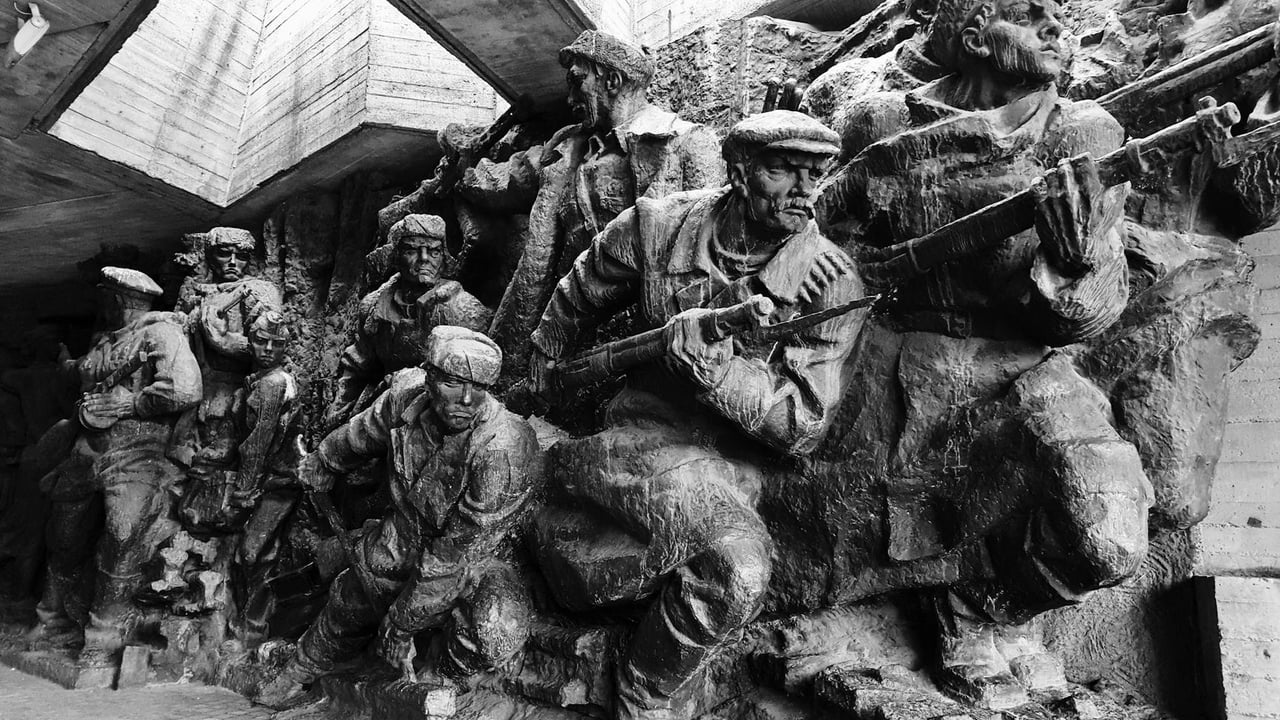
Black and white image of historical war monument depicting soldiers in Kiev, Ukraine.

Key Takeaways

  • 1The play '1938: Youth and War Coexist' is an adaptation of authentic wartime diaries held in the museum's permanent collection.
  • 2It depicts the 'Beiping Student Mobile Troupe,' highlighting the transition of urban intellectuals into revolutionary activists under CCP guidance.
  • 3The performance was a collaboration between the museum and the National Academy of Chinese Theatre Arts, utilizing immersive staging techniques.
  • 4Notable historical figures such as Rong Gaotang and Zhang Ruifang are featured to connect wartime history to the later success of the PRC.
  • 5The event marks a strategic use of International Museum Day to promote 'Red Culture' among modern Chinese youth.

Editor's
Desk

Strategic Analysis

The production of '1938: Youth and War Coexist' exemplifies the CCP’s sophisticated evolution of 'Red Culture' strategy, moving away from dry lectures toward high-production-value, immersive experiences. By tasking contemporary drama students to portray their 1930s counterparts, the state facilitates a 'spiritual dialogue' intended to sanitize and sanctify the history of student mobilization. This serves a critical dual purpose: it legitimizes the museum’s role as the primary guardian of the national narrative and provides a behavioral blueprint for contemporary youth. In an era where the party is concerned about youth apathy, reviving the image of the 'patriotic student-warrior' serves as a potent tool for internal ideological alignment, framing the party as the perennial shepherd of China’s best and brightest.

China Daily Brief Editorial
Strategic Insight
China Daily Brief

The Museum of the War of Chinese People’s Resistance Against Japanese Aggression recently served as a backdrop for a production that is far more than mere drama. *1938: Youth and War Coexist* represents a deliberate effort by the Chinese state to transform static historical artifacts into living, breathing patriotic education. By utilizing the museum’s own序厅 (Grand Hall) as an immersive stage, the production signals a shift in how Beijing seeks to engage younger generations with revolutionary history.

The play draws its narrative directly from two diaries belonging to the 'Beiping Student Mobile Troupe,' a group of progressive students who fled the Japanese occupation of Beijing in 1937. Under the ideological guidance of the Communist Party, these youths abandoned their elite academic trajectories to perform anti-Japanese propaganda in rural China. Their journey eventually culminated in Yan’an, the wartime headquarters of the Communist movement, cementing their role in the party’s foundational mythos.

By highlighting the biographies of figures like Rong Gaotang, a future architect of the PRC’s sports administration, and the celebrated actress Zhang Ruifang, the production establishes a direct lineage between wartime sacrifice and the subsequent administrative and cultural pillars of the People's Republic. This 'documentary theater' (wenxianju) leverages the perceived objectivity of museum archives to lend an air of historical inevitability to the students' political radicalization.

In the context of contemporary China, this performance—staged specifically for International Museum Day—serves a distinct pedagogical function. It attempts to bridge the emotional distance between today's 'Generation Z' and their predecessors from a century ago. By framing the Communist Party not merely as a political entity but as the ultimate destination for patriotic youthful energy, the state reinforces the idea that true national service is inextricably linked to party loyalty.

Share Article

Related Articles

📰
No related articles found