Apple Signals AI Pivot with 'Human-First' Accessibility Suite Ahead of WWDC

Apple has unveiled a series of AI-driven accessibility features, including a camera-based environmental narrator for the blind and eye-tracking wheelchair controls. These updates highlight Apple's strategy of integrating practical, on-device AI to solve human challenges ahead of its major developer conference.

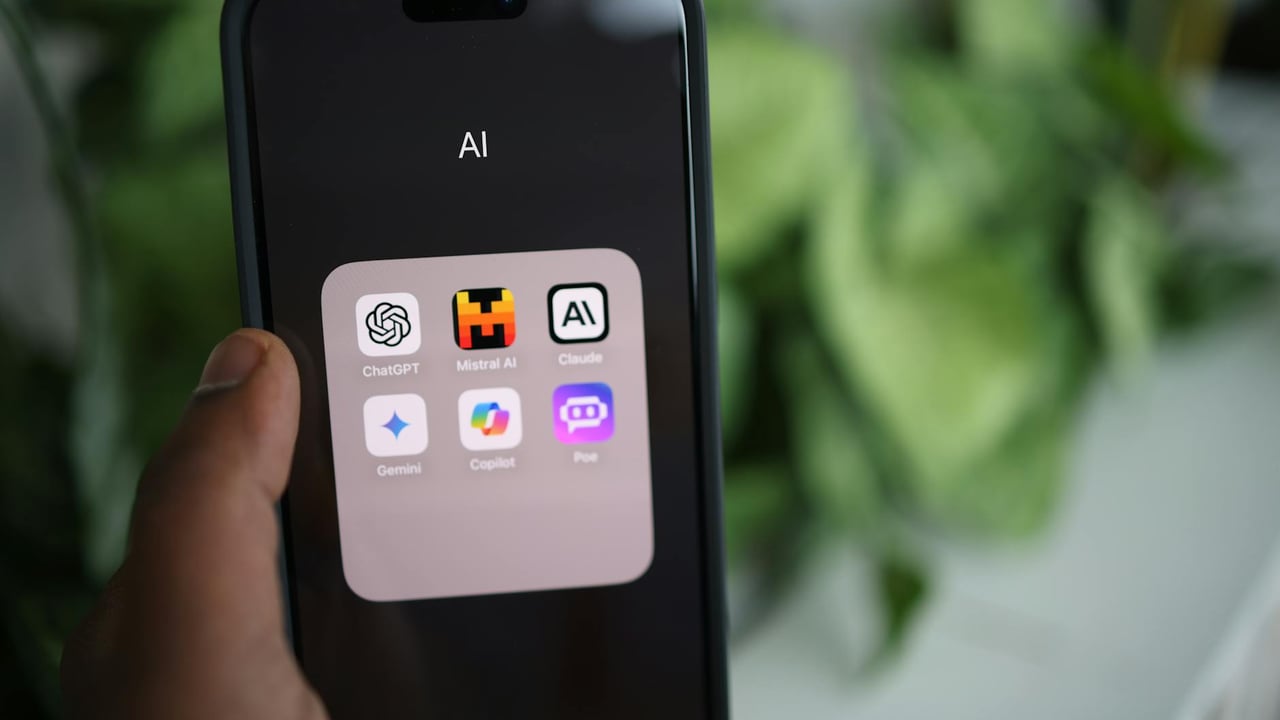
Close-up of a hand holding a smartphone with AI applications on screen.

Key Takeaways

  • 1VoiceOver now uses AI to act as a 'digital guide dog,' narrating physical environments and locating objects for the blind.
  • 2Vision Pro's eye-tracking technology has been adapted to control electric wheelchairs, removing the need for manual joysticks.
  • 3New 'Vocal Shortcuts' allow users with motor impairments to control UI elements through natural language commands.
  • 4A focus on on-device processing ensures that AI features like live captioning and document summarization remain private.
  • 5The re-release of the MagSafe grip designed by Bailey Hikawa emphasizes Apple's commitment to inclusive hardware design.

Editor's
Desk

Strategic Analysis

Apple is under intense market pressure to prove it can compete with the likes of OpenAI and Google. By leading its AI rollout with accessibility, Apple is executing a brilliant PR strategy: it humanizes its technology while setting the stage for more complex AI features to be announced at WWDC. This 'purposeful AI' narrative allows Apple to dodge the ethical criticisms often leveled at LLMs, focusing instead on utility and privacy. By keeping the processing on-device, they are also subtly critiquing the cloud-dependent models of their rivals, positioning the iPhone as the most secure AI terminal on the market.

China Daily Brief Editorial
Strategic Insight
China Daily Brief

Apple has historically utilized its annual accessibility previews to showcase the more altruistic side of its hardware ecosystem. This year, however, the announcements serve a dual purpose: fulfilling a long-standing commitment to inclusive design while offering a strategic glimpse into the company’s long-awaited artificial intelligence roadmap. The suite of new features positions the iPhone not just as a communication tool, but as a sophisticated sensory companion.

At the heart of the update is a transformed VoiceOver system that functions as a digital guide dog. By leveraging the camera and on-device machine learning, the iPhone can now narrate the physical world to visually impaired users in real-time, identifying obstacles and locating personal items like keys. This level of spatial awareness suggests that Apple’s computer vision capabilities have reached a level of maturity that is ready for mainstream AI deployment.

The integration extends into mobility as well, with Apple utilizing the Vision Pro’s advanced sensors to enable eye-tracking control for motorized wheelchairs. This feature allows users with severe physical impairments to navigate their environment without the need for traditional joysticks. It marks a significant milestone in how Apple intends to bridge the gap between its high-end spatial computing hardware and practical medical-assistive technologies.

Crucially, Apple is doubling down on its 'edge AI' philosophy by ensuring these features operate locally on the device. From generating live captions for streaming media to summarizing complex documents via an enhanced 'Accessibility Reader,' the processing happens without cloud intervention. This approach reinforces the company’s brand identity centered on privacy, even as it enters the increasingly data-hungry competitive landscape of generative AI.

Share Article

Related Articles

📰
No related articles found