Silicon Sovereignty: China’s DRAM Champion Changxin Technology Targets Massive IPO Amid Global Tech Rivalry

Changxin Technology, China's leading DRAM manufacturer, is heading to a May 27 IPO hearing for the STAR Market, seeking to raise 29.5 billion RMB. With projected 2026 H1 revenue growth exceeding 600%, the move underscores China's accelerating push to dominate its domestic semiconductor market and reduce foreign dependency.

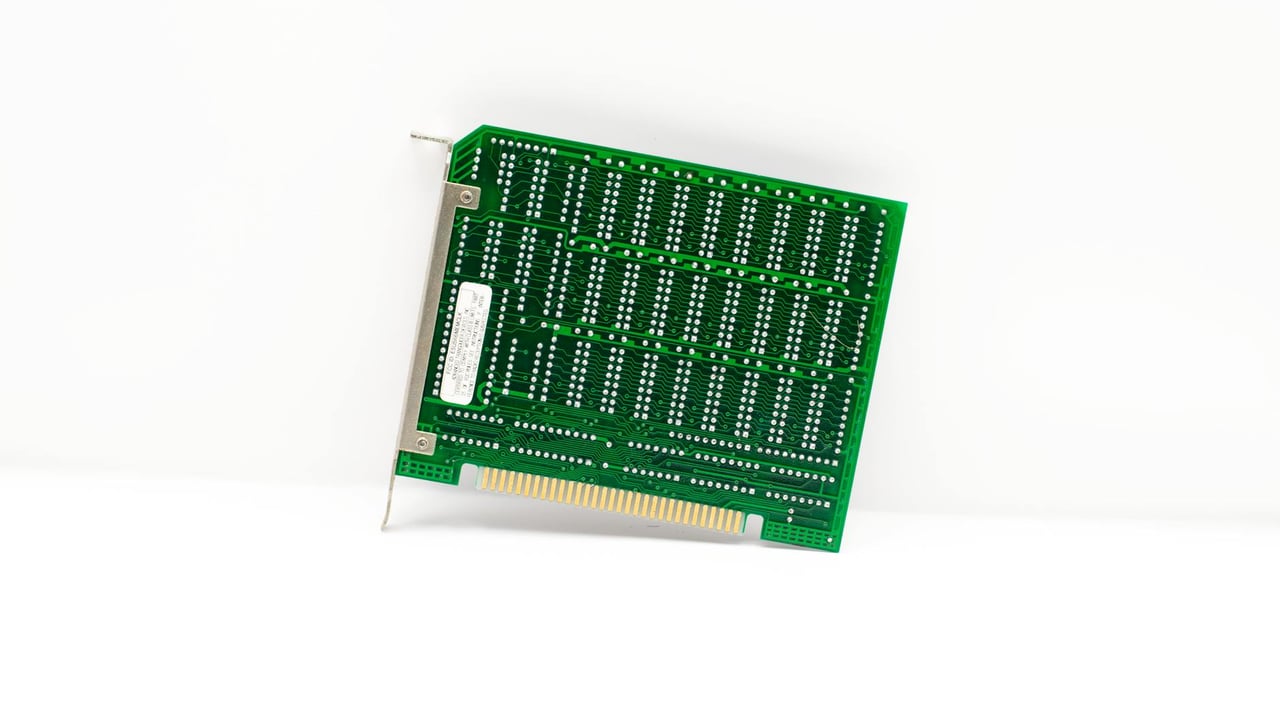
Retro green circuit board with connectors, representing early computer technology.

Key Takeaways

  • 1Changxin Technology's IPO hearing is scheduled for May 27, 2026, on the Shanghai STAR Market.
  • 2The company aims to raise 29.5 billion RMB ($4B+) for DRAM technical upgrades and wafer production lines.
  • 3Financial projections for H1 2026 estimate revenue between 110-120 billion RMB, a year-on-year increase of over 600%.
  • 4Projected net profit for H1 2026 is set between 50-57 billion RMB, representing a massive turnaround from previous loss-making R&D phases.
  • 5The listing represents a critical milestone in China's national strategy for semiconductor independence.

Editor's
Desk

Strategic Analysis

The impending listing of Changxin Technology is a watershed moment for the 'Made in China 2025' initiative. By transforming from a state-supported R&D project into a high-margin commercial juggernaut, Changxin is proving that China can achieve scale in the capital-intensive memory sector despite US-led export restrictions. The massive fundraising goal indicates that Beijing is doubling down on 'hard tech' rather than consumer internet platforms. For global competitors, the 'Changxin factor' means a future where the Chinese market—once their most lucrative export destination—is increasingly walled off by a capable, well-funded domestic champion. The true test for Changxin post-IPO will be its ability to innovate independently of Western toolsets while maintaining these eye-watering growth rates as the DRAM market matures.

China Daily Brief Editorial
Strategic Insight
China Daily Brief

Changxin Technology Group, a central pillar in China’s bid for semiconductor self-sufficiency, is set to undergo its initial public offering (IPO) hearing on the Shanghai Stock Exchange’s STAR Market on May 27, 2026. This pivotal moment for the domestic memory industry follows the company’s staggering financial projections, which anticipate a first-half revenue for 2026 reaching up to 120 billion RMB ($16.6 billion). The firm’s growth trajectory—a projected 600% year-on-year revenue increase—signals a massive scale-up in manufacturing capacity for Dynamic Random Access Memory (DRAM).

The IPO aims to raise 29.5 billion RMB, making it one of the most significant domestic listings in recent years. These funds are earmarked for the technical upgrading of wafer production lines and the advancement of next-generation DRAM technologies. For Beijing, the success of Changxin is not merely a matter of corporate profit but a strategic imperative to reduce reliance on the global "Big Three" oligopoly of Samsung, SK Hynix, and Micron.

While the financial figures suggest a period of hyper-growth, the underlying narrative is one of high-stakes technological catch-up. Changxin has spent years navigating complex patent landscapes and international export controls to establish a viable domestic alternative for high-performance memory chips. The company’s ability to turn a projected net profit of up to 57 billion RMB in just six months suggests that the era of heavy subsidies is transitioning into a phase of commercial viability and market dominance within the mainland.

However, the move to list on the STAR Market also invites greater transparency and scrutiny from global investors. As Changxin expands its R&D into forward-looking memory technologies, it remains the primary focal point of Western trade policy. The IPO will provide the capital necessary for the company to attempt to leapfrog current technological barriers, even as the global semiconductor cycle remains volatile and geopolitical tensions continue to reshape supply chains.

Share Article

Related Articles

📰
No related articles found