
# Memory Chips
Latest news and articles about Memory Chips
Total: 19 articles found
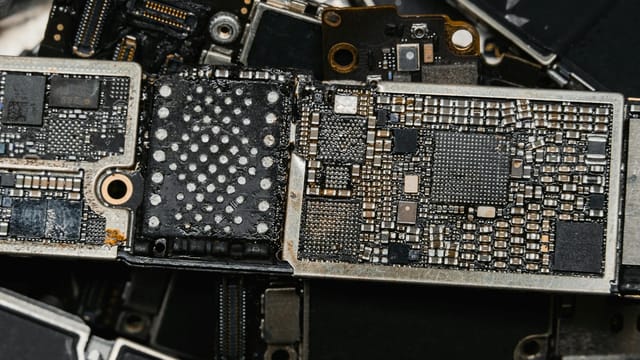
Memory Fatigue: Surging Component Costs Forecast to Squeeze Global Smartphone Production by 2026
Rising memory chip costs are projected to drive a 16.2% decline in global smartphone production by 2026. As manufacturers exhaust low-cost inventories and face shrinking margins, the industry is entering a period of production adjustment and potential retail price hikes.
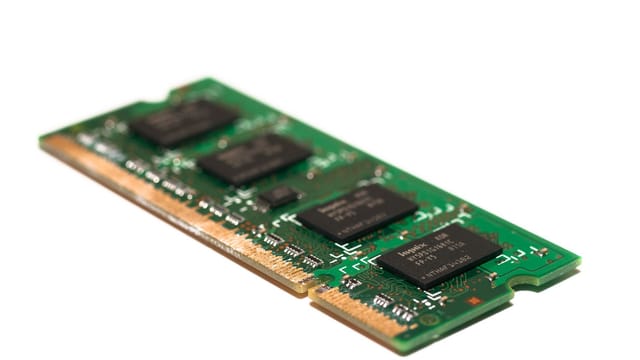
The Silicon Squeeze: Why China’s EV Price War is Pausing for a 180% Chip Surge
A 180% surge in automotive-grade memory chip prices over the past three months has forced over ten Chinese NEV manufacturers to raise prices or reduce discounts. This shift marks a significant disruption in the ongoing price war, contrasting sharply with the traditional fuel vehicle market, which continues to rely on heavy promotions to maintain volume.
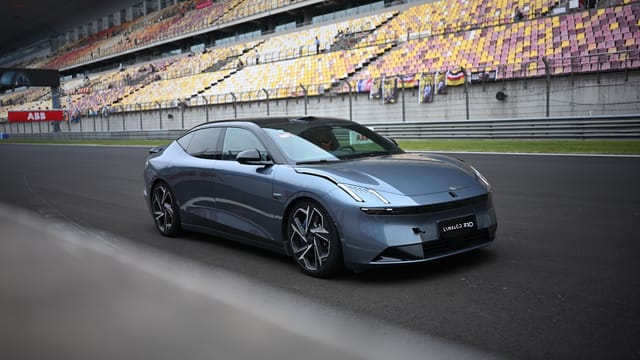
The Silicon Squeeze: Soaring Memory Costs Test China’s EV Dominance
A 180% surge in automotive-grade memory chip prices has forced over ten Chinese NEV makers to raise prices or cut incentives, while the traditional fuel car market continues deep discounting to survive.
The Silicon Supercycle: Global Chip Market Set to Eclipse $1.5 Trillion as AI Redefines Demand
A major industry forecast predicts the global semiconductor market will double to $1.5 trillion by 2026, fueled by an insatiable demand for AI-capable chips and data center expansion. Memory chips are leading the surge with a projected 249.5% growth rate, cementing the industry's shift away from consumer-led cycles toward AI-driven infrastructure.
Beyond the Processor: How the AI Arms Race is Reconfiguring the Global Memory Market
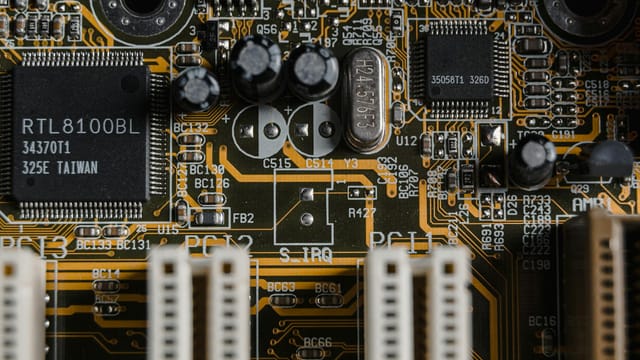
SanDisk CTO Alper Ilkbahar warns that the AI race has become 'memory-centric,' leading to an unprecedented shift where major tech firms are signing multi-year supply deals to avoid shortages. The industry is preparing for the launch of High Bandwidth Flash (HBF) in 2025, a technology designed to provide cost-effective memory solutions for AI inference.
The $340,000 Ransom: How Samsung Bought Peace in the AI Arms Race
Samsung Electronics has settled a major labor dispute by offering semiconductor workers average bonuses of $340,000, preventing a strike that threatened the global AI chip supply chain. While the deal boosted Samsung's stock by 8%, it has exposed significant internal divisions due to a massive 100-fold pay gap between different business units.
China’s Semiconductor Supply Chain Tightens as Memory Boom Ignites Demand for High-Purity Chemicals
Prices for raw hydrofluoric acid are stabilizing in China, but demand for high-purity G5-grade variants is surging due to the memory chip recovery. This creates a supply crunch for the specialized chemicals needed for advanced 14nm semiconductor manufacturing.
The Hardware Bottleneck: Global Capital Pours into AI’s Infrastructure 'Money Printers'
AI investment is shifting toward specific hardware bottlenecks like memory and optical modules, driving record profits for companies like SK Hynix and Micron. However, the disconnect between massive infrastructure spending and lagging software monetization is fueling fears of a dot-com-style bubble.
Silicon Sovereignty: China’s DRAM Champion Changxin Technology Targets Massive IPO Amid Global Tech Rivalry
Changxin Technology, China's leading DRAM manufacturer, is heading to a May 27 IPO hearing for the STAR Market, seeking to raise 29.5 billion RMB. With projected 2026 H1 revenue growth exceeding 600%, the move underscores China's accelerating push to dominate its domestic semiconductor market and reduce foreign dependency.
China’s Memory Champion Outearns Moutai as AI Boom Fuels $7.8 Billion Profit Surge
Chinese DRAM leader Changxin Technology (CXMT) reported a record 33 billion RMB profit in Q1 2026, surpassing Moutai’s earnings and signaling a massive V-shaped recovery driven by AI-led demand. The company is now seeking a 29.5 billion RMB IPO to fund its technological push to challenge global leaders Samsung, SK Hynix, and Micron.

Silicon Prestige: How the AI Memory Boom is Redefining Korea’s Elite and Global Tech Power
Record profits from the AI memory chip boom have turned SK Hynix employees into the top tier of South Korea's marriage market, while global tech giants are aggressively competing to fund the company's production lines to secure scarce HBM supply.

Sony’s PlayStation Dilemma: Rising Chip Costs and Geopolitical Strain Threaten Gaming Growth
Sony warns of a revenue slowdown in its gaming division by fiscal 2026, citing soaring memory chip costs and geopolitical supply chain disruptions. The company’s ability to maintain PlayStation 5 momentum hinges on navigating a volatile semiconductor market and heightened regional risks.