
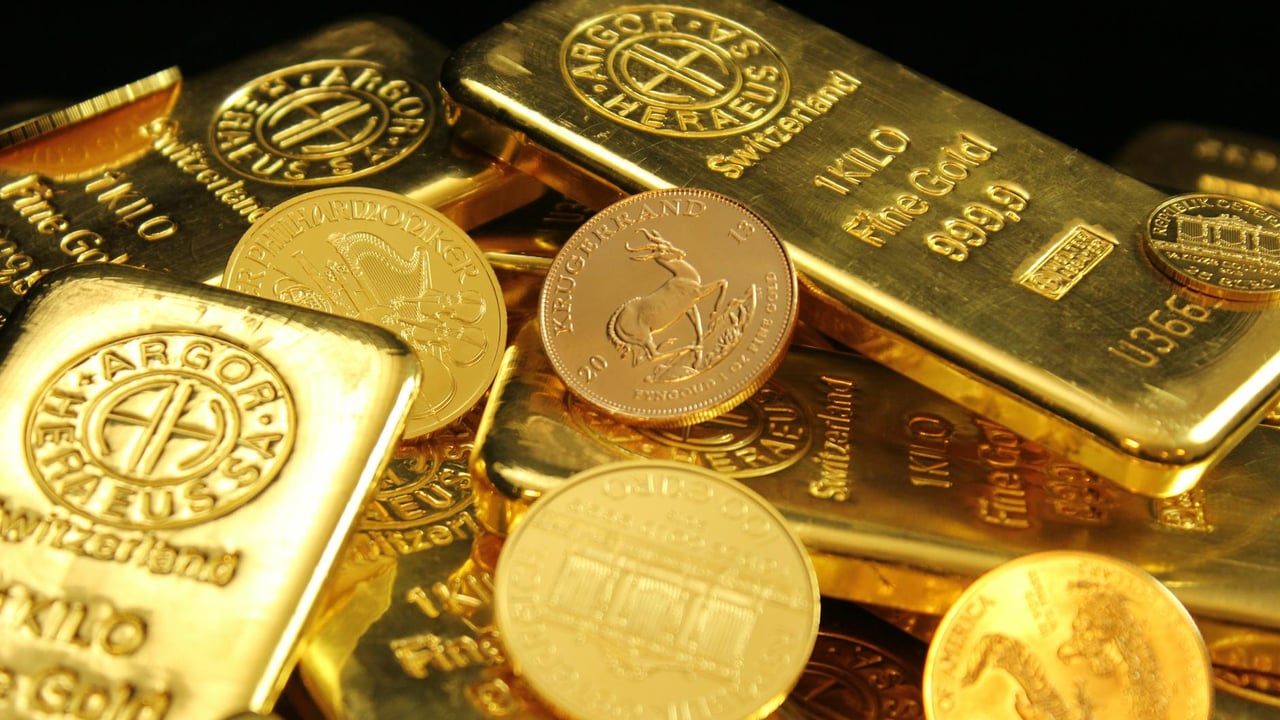

The gold market is currently enduring a punishing correction as prices have breached the critical psychological support level of $4,500 per ounce. After touching a low of $4,453 on May 20, the metal has now retraced approximately 15% from its peak reached during the early stages of the Iran-Israel conflict. This sharp decline has caught many investors off-guard, revealing a market that is currently behaving more like a high-beta risk asset than a traditional safe haven.
Several macroeconomic pressures are converging to suppress the yellow metal, most notably a severe squeeze in US dollar liquidity. As geopolitical tensions in the Strait of Hormuz persist and oil prices remain elevated, several emerging market nations are being forced to liquidate gold reserves to cover rising energy import costs and defend their domestic currencies. Turkey, for instance, reportedly offloaded 60 tons of gold in March alone through sales and swap operations to stabilize the lira.
Simultaneously, traditional physical demand centers are facing significant regulatory headwinds. India, the world’s second-largest consumer, recently doubled its gold import duty to 15% and implemented strict quotas to manage foreign exchange pressures. These measures have effectively cooled retail demand, stripping away a vital pillar of price support just as institutional sentiment soured.
The most direct pressure, however, stems from the aggressive ascent of US Treasury yields, with the 10-year benchmark crossing the 4.5% threshold. In a high-yield environment, the opportunity cost of holding non-yielding gold becomes prohibitive, triggering forced liquidations from Commodity Trading Advisors (CTAs) and leveraged funds. This institutional exodus has created a feedback loop of volatility that has yet to find a definitive floor.
Despite the immediate gloom, the underlying strategic narrative for gold remains intact through the lens of long-term central bank behavior. While some nations are selling for tactical survival, the People's Bank of China has extended its buying streak to 17 consecutive months. This divergence highlights a bifurcated market where short-term liquidity needs are clashing with a long-term structural shift toward reserve diversification and de-dollarization.
Market observers suggest that the current correction is part of a painful three-stage transition: an initial inflation shock, followed by a growth slowdown, and ultimately a policy pivot. Until central banks return to a more accommodative stance and real rates stabilize, gold is likely to remain in a vulnerable, high-volatility phase. Tactical patience is required as the market awaits a signal that the current liquidity drain has finally run its course.