
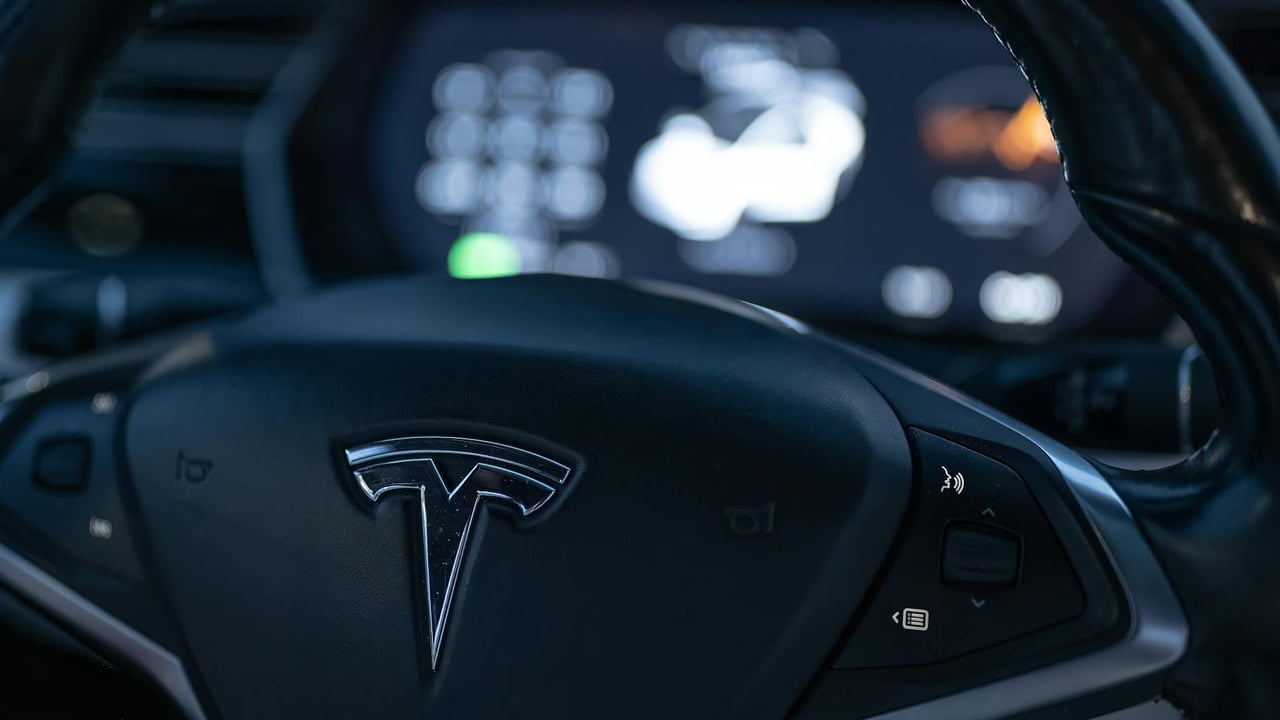

Tesla’s long-anticipated entry into the Chinese autonomous driving market has shifted from a speculative roadmap to an active strategic deployment. On May 21, the company officially confirmed that its Supervised Full Self-Driving (FSD) software is poised for a domestic rollout, marking a critical milestone in Elon Musk’s global AI ambitions. This move follows a series of high-stakes negotiations and localized preparations aimed at navigating China’s complex data and security regulations.
The infrastructure for this launch is already visible through a surge in recruitment for intelligent driving test engineers across nine major Chinese cities. These roles are essential for calibrating Tesla’s vision-based system to the unique complexities of Chinese urban environments, which differ significantly from North American road layouts. By localized testing, Tesla aims to ensure that its neural network approach can handle the high density and unpredictable patterns of China’s tier-one metropolises.
While the software is technically ready, the final barrier remains the regulatory green light. Tesla China has confirmed it is working closely with government authorities to secure the necessary approvals for data transmission and localized mapping. The current pricing structure, which offers FSD at 64,000 RMB (approximately $8,800), suggests that Tesla is positioning this as a premium software-as-a-service model to bolster its margins in an increasingly price-sensitive market.
The arrival of FSD is expected to disrupt the status quo for domestic champions like Huawei, Xpeng, and Xiaomi. These local players have spent years marketing their own advanced driving assistance systems as a primary competitive advantage over the American incumbent. As Tesla prepares to unleash its full software stack, the Chinese EV sector faces a new era of algorithmic warfare where software prowess, rather than just battery range, will dictate market leadership.