
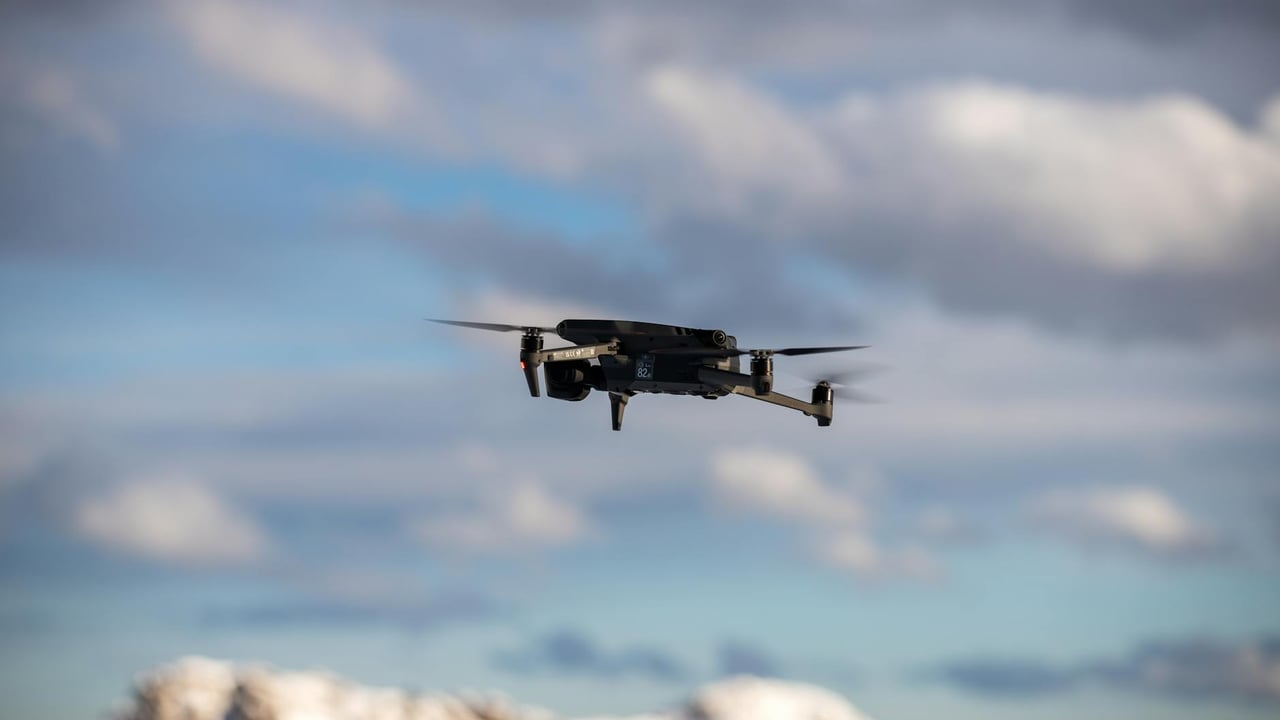

The recent unveiling of the People’s Liberation Army’s (PLA) "Unmanned Legion" marks a significant evolution in Beijing’s military modernization, shifting from isolated drone deployments to a fully integrated autonomous force. This display of technological prowess serves as a clear signal that China is moving past the experimental phase of robotic combat. By showcasing a diverse array of land, sea, and air platforms, the PLA is demonstrating its readiness to operationalize a new doctrine of "intelligentized" warfare.
Observation from military analysts in Taiwan suggests that this development is not merely cosmetic. Retired Taiwanese generals have noted that the mainland is currently validating the mechanics of true unmanned operations, where machines perform complex tactical tasks with minimal human oversight. This shift represents a strategic attempt to solve the traditional risks of human casualty, reducing the political and social costs of potential conflict while maintaining high-intensity pressure on regional adversaries.
The integration of these systems into a cohesive "legion" highlights China’s focus on networked capabilities rather than standalone hardware. These autonomous units are designed to operate in swarms or coordinated groups, overwhelming traditional defense systems through sheer numbers and rapid data processing. Such capabilities are particularly relevant in the context of the Taiwan Strait, where unmanned underwater vehicles and aerial swarms could complicate defense strategies significantly.
As the PLA continues to bridge the gap between artificial intelligence and kinetic force, the global community must recognize that Beijing’s military ambitions are increasingly defined by automation. This validation phase is a precursor to a future where the first wave of any regional conflict may not involve a single human soldier. For the United States and its allies, the challenge now lies in countering a force that thinks and acts at the speed of an algorithm.