
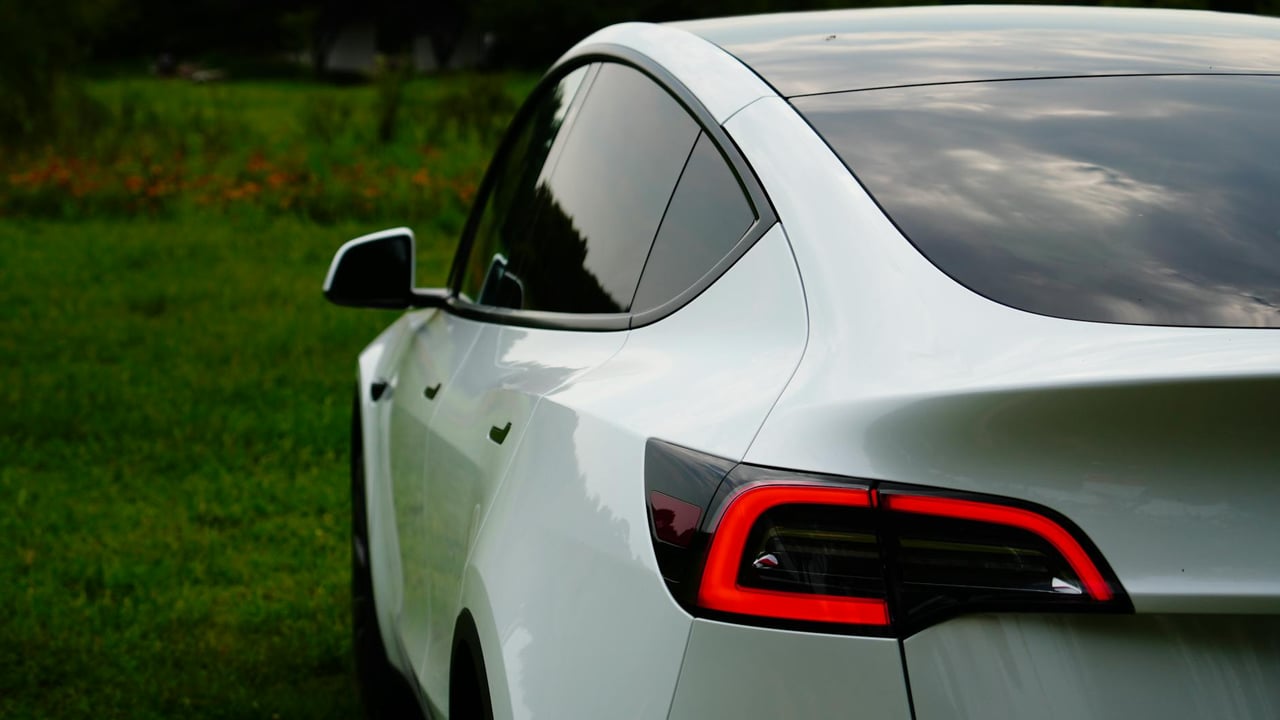

Xiaomi’s transformation from a smartphone giant to a formidable electric vehicle powerhouse is accelerating. Following the disruptive success of its SU7 sedan, the Beijing-based tech titan has officially launched the YU7, a smart SUV designed to challenge the Tesla Model Y's dominance in the Chinese market. With a starting price of 233,500 RMB ($32,300), the YU7 standard edition positions itself as a more affordable yet technologically superior alternative to the world’s best-selling electric SUV.
Lei Jun, Xiaomi’s charismatic founder, is not just competing on price but on performance and prestige. The high-performance YU7 GT, priced at 389,900 RMB, recently signaled its engineering ambitions by clocking a 7:34.931 lap at the Nürburgring, setting a new record for production SUVs. This move reflects Xiaomi's strategy to capture the high-end enthusiast market while simultaneously offering a mass-market version that boasts 50 kilometers more range than the entry-level Model Y.
The timing of the YU7 launch is particularly strategic as Tesla prepares to roll out its Full Self-Driving (FSD) software in China. Xiaomi’s competitive advantage lies in its 'Human x Car x Home' ecosystem, which integrates the vehicle seamlessly with its massive array of consumer electronics. This software-first approach allows Xiaomi to offer a level of digital connectivity and user experience that legacy automakers—and even Tesla—struggle to replicate within the unique Chinese digital landscape.
China’s EV market is currently defined by a ruthless price war and rapid iteration cycles that favor tech-native companies. By launching an SUV, the most popular vehicle segment in China, Xiaomi is directly addressing the core of the market. The YU7’s success will likely depend on whether its software ecosystem can outweigh the brand prestige of established luxury manufacturers and the established reliability of Tesla’s Supercharger network.